
OpenAI turns ChatGPT into an App platform: Anything without leaving the chat
OpenAI has announced a major update to its flagship AI product, ChatGPT, introducing a new way for users to access and interact with third-party applications directly within the chatbot. The announcement came during the company’s annual developer conference, DevDay 2025, held on Monday.
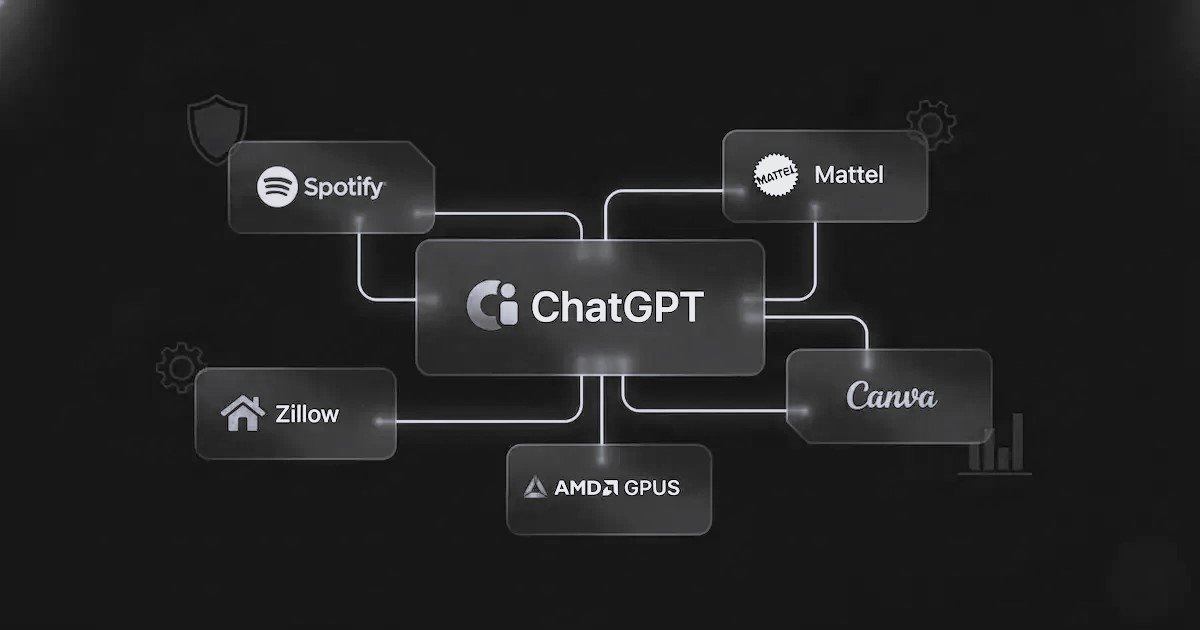
Starting this week, ChatGPT users will be able to use interactive applications from popular companies such as Booking.com, Expedia, Spotify, Figma, Coursera, Zillow, and Canva all within their regular ChatGPT conversations. These apps allow users to perform actions like booking a trip, designing graphics, learning new topics, or browsing real estate listings without ever leaving ChatGPT.
For developers, OpenAI is releasing a preview of its new Apps SDK, a toolkit that enables them to build and integrate apps into ChatGPT. The system is powered by the Model Context Protocol (MCP), which allows apps to connect external data sources and trigger interactive interfaces within chat responses.
The launch signals OpenAI’s ambition to turn ChatGPT into a full-fledged platform for AI-powered applications, rather than just a text-based assistant. CEO Sam Altman described the move as a step toward making ChatGPT “a great way for people to make progress, to be more productive, more inventive, to learn faster, to do whatever they’re trying to do in their lives better.”
Unlike OpenAI’s earlier GPT Store, which existed as a separate app marketplace, this new system places apps directly inside ChatGPT’s conversations. This integration allows for smoother user experiences and gives developers better visibility and distribution for their creations.
How it works :
Users can call up apps naturally through conversation. For instance, they might type “Figma, turn this sketch into a workable diagram” or “Coursera, can you teach me about machine learning?” to invoke specific apps. During a demo, OpenAI showed how the Zillow app could respond to a housing query by pulling up an interactive map of apartments within a user’s price range. Users could then continue chatting to refine their search.
ChatGPT will also be able to suggest apps contextually for example, surfacing Spotify if a user asks for a weekend playlist. OpenAI said more apps, including DoorDash, Instacart, Uber, and AllTrails, are expected to arrive in future updates.
The first wave of participating companies includes major players across industries Booking.com and Expedia for travel, Spotify for music, Figma and Canva for design, Coursera for online education, and Zillow for real estate. Each company has developed an app tailored for ChatGPT’s conversational interface, allowing users to log in to their existing accounts and access personalized services.
The rollout begins Monday, following DevDay 2025, and will be available to users inside the ChatGPT interface across supported platforms. Developers can start experimenting with the Apps SDK preview immediately.
OpenAI has emphasized its commitment to user privacy and transparency, stating that developers must collect “only the minimum data they need.” However, it remains unclear whether apps will have access to a user’s entire chat history, recent messages, or just the prompt that activates the app.
Another open question is how ChatGPT will handle competition among similar services. If multiple food delivery apps are available, for example, how ChatGPT decides which to surface first could have major business implications. While OpenAI says it plans to prioritize user experience over paid placement, the specifics are yet to be detailed.
By embedding third-party apps directly into ChatGPT, OpenAI is building an ecosystem around its conversational AI, turning it into a hub for everyday productivity, creativity, and learning. The company also plans to introduce monetization options for developers, including the recently launched Instant Checkout feature, hinting at a future where entire digital workflows could take place within ChatGPT.
As Altman put it, “the goal is to make ChatGPT not just a place to get answers—but a place to get things done.”