
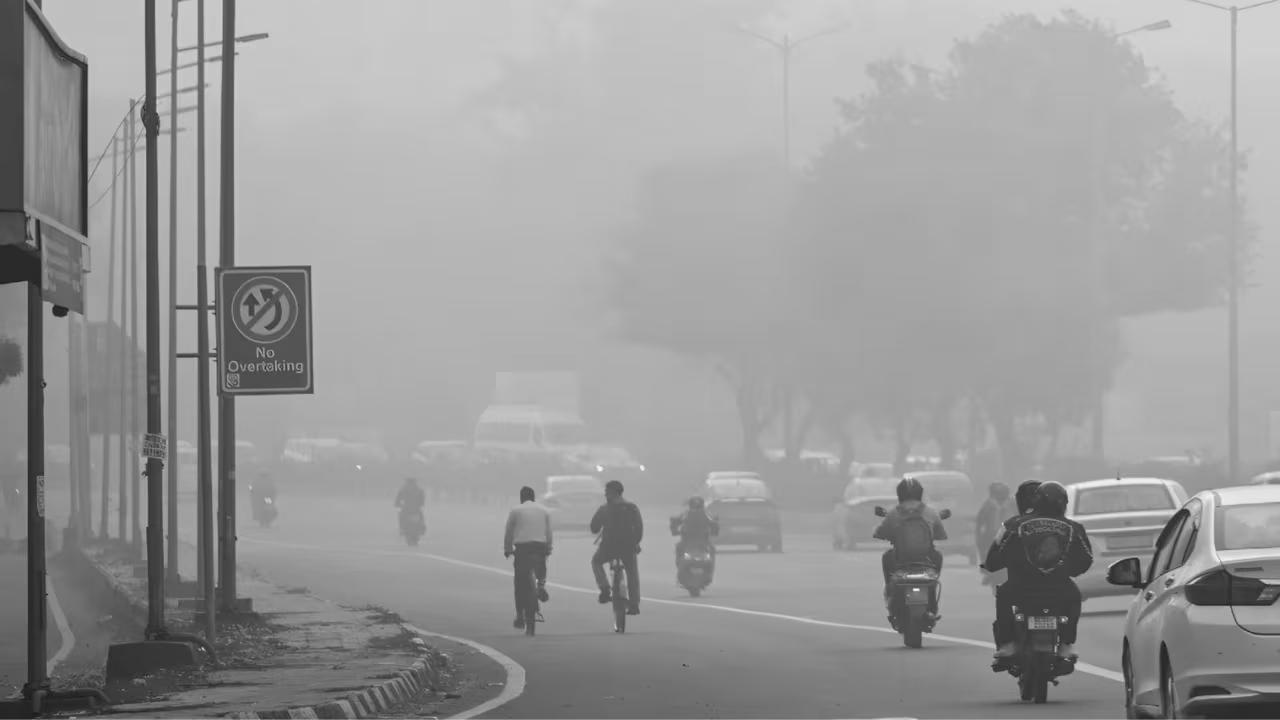
‘OPDs flooded with patients’: Doctors warn of health crisis as Delhi’s air pollution worsens
Doctors across Delhi have raised alarm over a sharp rise in respiratory and pollution-related illnesses, as the city’s air quality continues to deteriorate with the onset of winter. Hospitals are witnessing a surge in patients reporting breathing difficulties, throat irritation, itchy eyes, and chest congestion.
Dr Pulin Gupta, Professor at PGIMER, said the situation has worsened drastically over the past week. “Because of the pollution, our Outpatient Department (OPD) is flooded with patients suffering from bronchitis and acute asthma attacks. ENT clinics are seeing more cases of sinusitis, runny nose, and nosebleeds. There has been a 22–25 per cent rise in respiratory cases,” he told ANI, adding that people with chronic lung diseases, bronchial asthma, or a history of smoking are at higher risk.
Dr Bobby Bhalotra, Senior Consultant and Vice Chairman of the Department of Chest Medicine at Sir Ganga Ram Hospital, described this year’s air quality as “the most hazardous so far.” He said, “We are seeing new patients with congested chests, throat irritation and running noses. The elderly, children and those with asthma, COPD or interstitial lung disease are the most vulnerable. Everyone, in some way, is impacted.”
According to data from the Central Pollution Control Board (CPCB), Delhi’s overall Air Quality Index (AQI) was recorded at 271 on Thursday morning, up from 202 the previous evening. Several localities, including ITO and Dwarka Sector-8, reported AQI levels close to 300, in the ‘poor’ to ‘very poor’ category, while Narela and Bawana crossed 330.
Experts warn that unchecked air pollution could have far-reaching effects on Delhi’s public health and economy. Prolonged exposure increases the risk of asthma, heart disease, and reduced lung capacity in children, while also raising healthcare costs and reducing workforce productivity. Studies have found that pollution-related illnesses already account for thousands of premature deaths in Delhi every year and may cost the city over one per cent of its GDP in lost productivity.
As the smog thickens, doctors fear that without immediate control measures, the capital could face a severe and sustained public health emergency.