
Op Sindoor: India Marks First Anniversary Of Major Multi-Domain Combat Mission
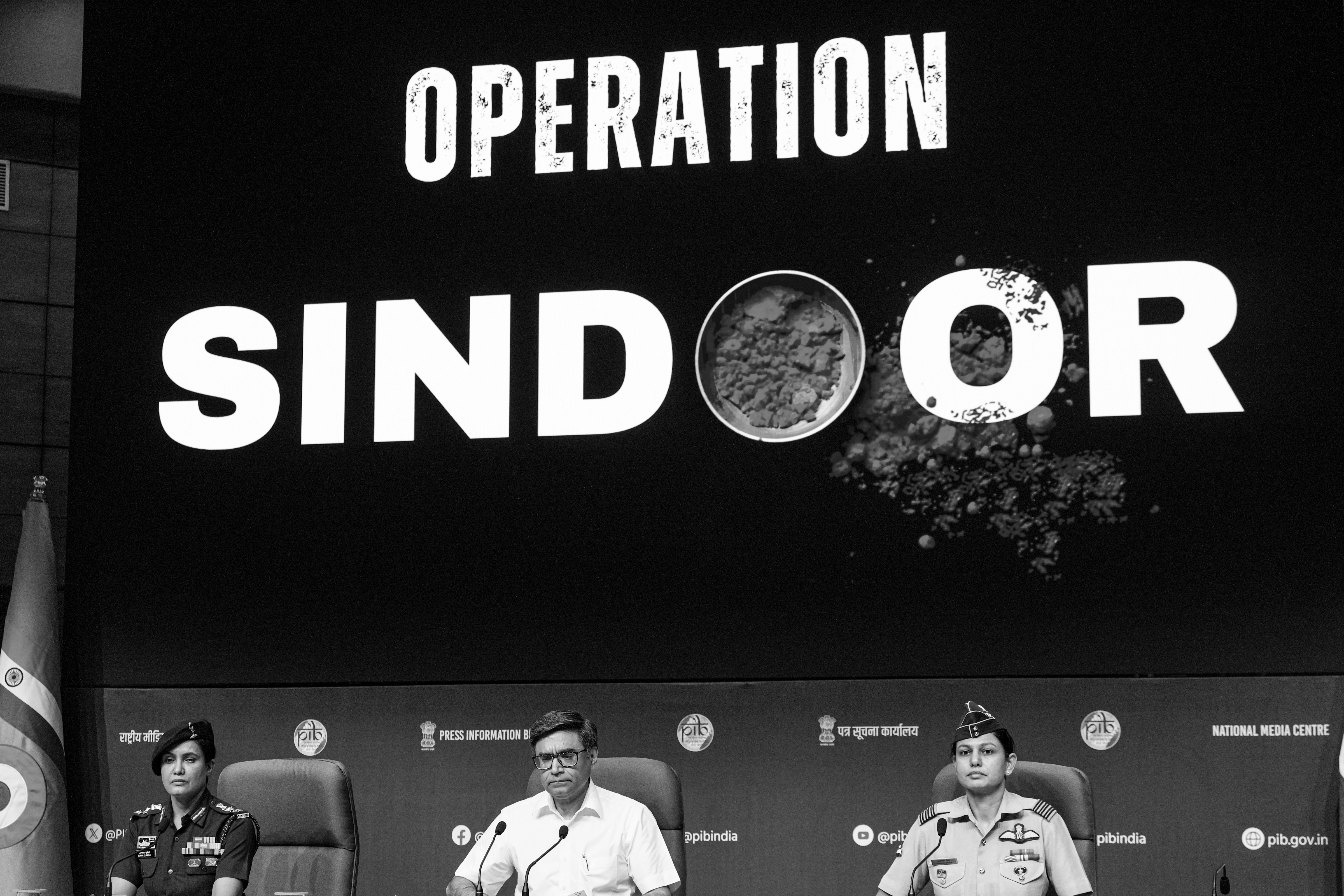
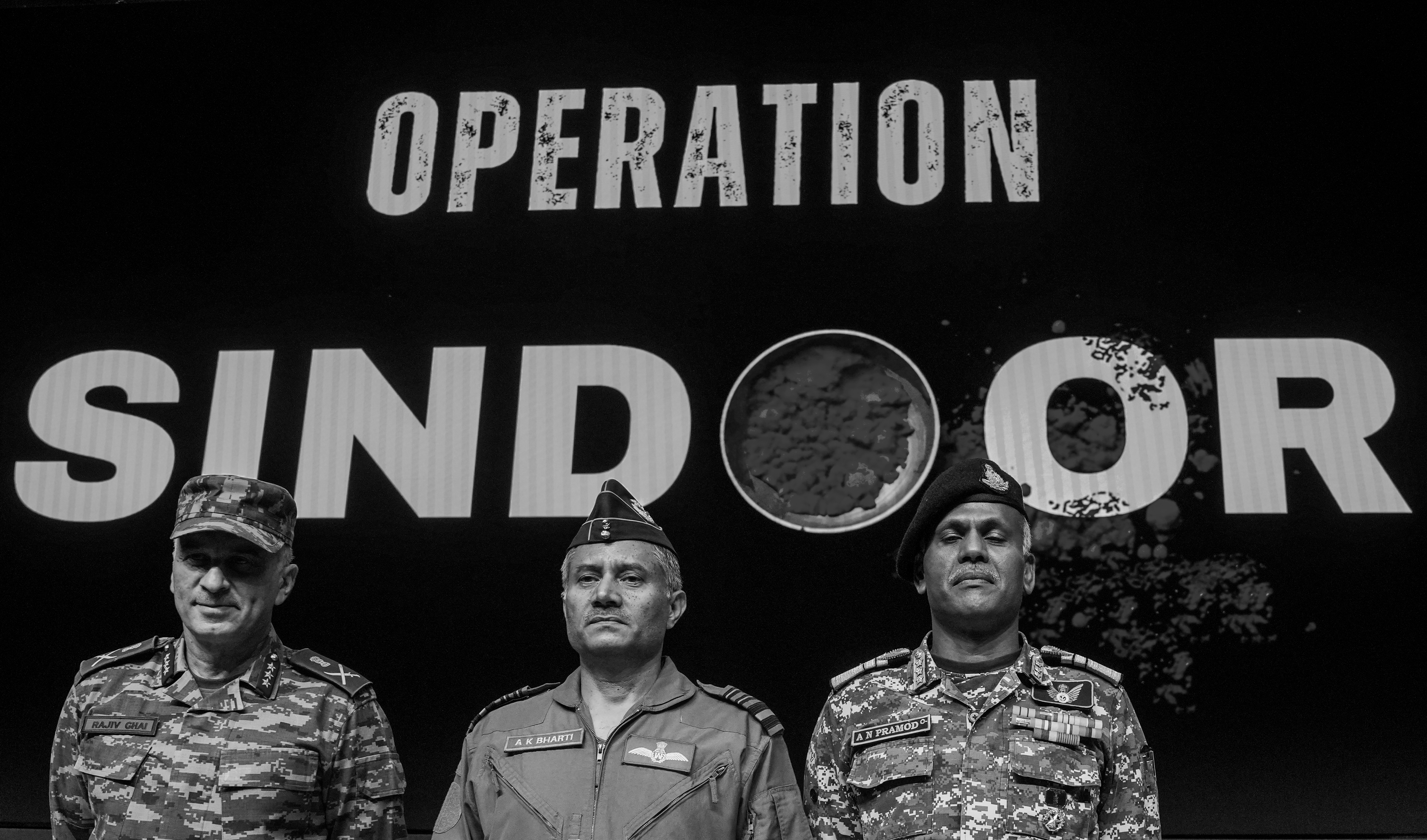
Operation Sindoor , launched in the aftermath of the Pahalgam terror attack last year , has come to symbolise a major shift in India’s national security and military doctrine, marked by the growing integration of drones, network-centric warfare, and artificial intelligence-driven targeting systems .
According to defence sources, the operation is being viewed as the Indian armed forces’ most extensive multi-domain combat mission in over five decades , aimed at responding to cross-border terrorism networks and reshaping India’s strategic posture. It also underscored India’s asserted political will to respond decisively to terror threats, with leadership reiterating that the country would not accept nuclear blackmail .
The sequence of events began after the April 22 terror attack in Pahalgam , in which 26 civilians, mostly tourists, were killed. In response, India launched Operation Sindoor on May 7 last year , carrying out airstrikes on multiple terror infrastructure sites across Pakistan and Pakistan-occupied Kashmir.
Targets reportedly included key facilities linked to terror outfits such as Jaish-e-Mohammed and Lashkar-e-Taiba , including locations in Bahawalpur, Muridke, Sialkot, Muzaffarabad, Kotli, Bhimber, and other areas . Defence assessments cited by officials claimed that the strikes resulted in the neutralisation of over 100 terrorists, though independent verification remains limited.
The operation triggered a rapid escalation of tensions, with Pakistan reportedly attempting retaliatory strikes. However, most of these were intercepted or neutralised by Indian air defence systems. The hostilities eventually de-escalated following military-level hotline communications , with both sides agreeing to cease offensive actions by May 10.
In the aftermath, India’s armed forces undertook a comprehensive review of operational lessons, leading to accelerated focus on modernisation, technology integration, and force restructuring . Senior defence officials have indicated that insights from the operation have directly influenced current procurement and doctrinal reforms.
Over the past year, the government has cleared a series of major defence acquisitions aimed at strengthening India’s strike capability and surveillance infrastructure . These include proposals for additional S-400 air defence systems from Russia , procurement of medium transport aircraft , and enhanced drone fleets for reconnaissance and combat roles.
In February, the government also moved forward on a long-pending proposal to acquire 114 Rafale fighter aircraft under a government-to-government framework with France, intended to significantly boost the Indian Air Force’s combat readiness. The aircraft are expected to be equipped with advanced weapon systems, including Meteor beyond-visual-range missiles and Scalp cruise missiles .
The Indian Navy has also been prioritising maritime surveillance, with approval for additional Boeing P-8I aircraft , enhancing anti-submarine warfare capabilities across the Indian Ocean region. In parallel, India is progressing on a €5 billion stealth submarine programme , involving collaboration between German defence firms and Mazagon Dock Shipbuilders.
In April, India commissioned its third indigenous nuclear-powered ballistic missile submarine, INS Aridaman , further strengthening the sea-based leg of its nuclear deterrence triad. This follows earlier platforms such as INS Arihant and INS Arighat , reflecting steady progress in underwater strategic capabilities.
On the strategic weapons front, India has continued testing and induction of advanced missile systems, including multiple variants of the Agni series . Notably, the Agni-5 intermediate-range ballistic missile , with a reported range of up to 5,000 km, remains central to India’s long-range deterrence posture.
Officials maintain that the cumulative impact of these developments reflects a broader whole-of-government approach to national security, with Operation Sindoor serving as a defining reference point in India’s evolving defence doctrine.