
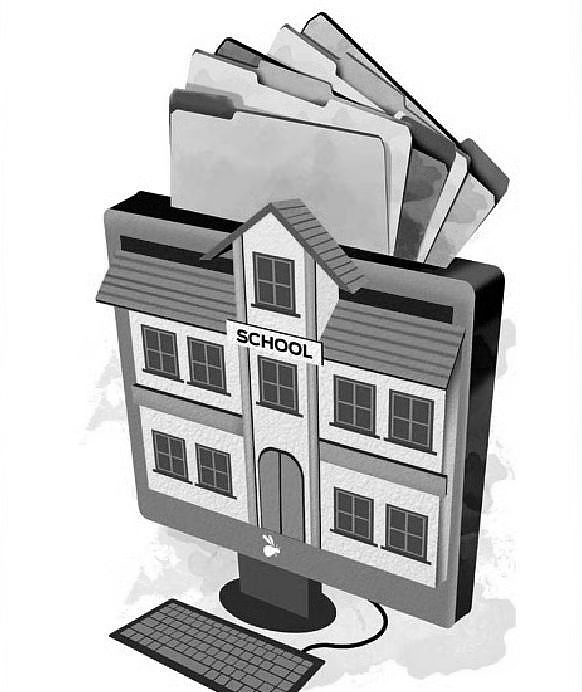
One-Student-One-File - Assam step towards data-driven education reforms
India’s vast education system serves more than 265 million children, yet dropout rates remain a major concern. At the secondary level, 12.6% of students still leave school prematurely, translating into millions lost to the system. Against this backdrop, Assam’s Bodoland Territorial Region (BTR) , once synonymous with unrest, is quietly pioneering a model that could reshape Indian education. Launched in May 2025, the One-Student-One-File (OSOF) Mission is redefining how schools track and nurture development. Piloted in 10 schools covering 1,163 children, the initiative creates personalized profiles that go far beyond test scores. Each file includes details on academics, health, attendance, family conditions, and co-curricular participation enabling teachers to intervene early and holistically.
About BTR
The BTR spans over 9,000 sq. km in northwestern Assam, covering districts like Kokrajhar, Chirang, Baksa, Udalguri, and Tamulpur. Home to nearly 1.5 million people, it is dominated by the indigenous Bodo community but also includes Assamese, Bengali, Adivasi, Nepali, and Gorkha populations. The region’s autonomy stems from decades of struggle. After years of violence that claimed thousands of lives, the 2003 Bodo Accord created the Bodoland Territorial Council (BTC), giving legislative and financial powers over 30 subjects, including education. A third accord in 2020 expanded its boundaries and influence further, marking a shift from conflict toward peace and development. In this context, education has become both a tool for empowerment and a unifying force, with OSOF emerging as a flagship innovation.
OSOF - Educational record
Unlike fragmented exam reports, OSOF files act as living histories of students. Teachers can track academic strengths and weaknesses, monitor health and nutrition, and assess home environments. As Dr. Nironjon Islari of the BTR Development Fellowship explains, “When a student moves to the next class, teachers no longer start from scratch, they see the whole picture.” The mission spans multiple mediums Bodo, Assamese, and Bengali ensuring cultural inclusivity. At the system level, aggregated data helps spot worrying patterns like absenteeism linked to illness or financial stress. The aim is to follow students from primary through secondary school, creating continuity that supports long-term growth.
A Data-driven knowledge society
BTR’s leadership envisions OSOF as part of a broader transformation. Under Chief Executive Member Pramod Boro, the region has rolled out nine flagship education missions, from financial aid to space learning. OSOF, however, is central to a data-led “knowledge society” where decisions rest on evidence rather than assumptions. By involving parents and teachers in maintaining records, the mission also fosters accountability and transparency. Beyond improving learning, it strengthens social cohesion in a region still healing from its troubled past.
Why does BTR stand out?
India has tools like UDISE+ to track enrollments and infrastructure, and states like Tamil Nadu and Kerala use apps for attendance and administration. But BTR’s OSOF goes deeper, capturing non-academic factors like home atmosphere and creativity, elements often ignored in exam-centric models. No other state has implemented such a comprehensive, personalized file system at scale. While private schools use commercial Student Information Systems, they lack OSOF’s cultural sensitivity and public reach. In global comparison, the approach mirrors successful systems in Finland and Singapore that integrate social and health data, but adapted for a resource-constrained, post-conflict region.
Potential game-changer for India
India’s education challenges remain stark. With a literacy rate of 77.7% and lagging Programme for International Student Assessment (PISA) scores, its global standing is modest. Dropouts, while declining, remain uneven higher in states like Bihar (20.9%) and Assam (19.5%). Girls face unique barriers, with early marriage still common, while boys increasingly leave school for work. OSOF directly tackles these pressures. By identifying warning signs irregular attendance, poor health, financial strain teachers can step in with counseling, aid referrals, or remedial classes. Evidence suggests such tracking can cut dropout rates by 20–30%. If scaled nationally, OSOF could support initiatives under National Education Policy (NEP) 2020, which targets 100% enrollment by 2030.
Students at the Center
Perhaps OSOF’s greatest strength is how it values students more than exam results. Children receive customized attention, extra coaching for weak subjects, nutrition support for undernourished kids, or recognition for talents outside academics. This sense of belonging is crucial in diverse regions like BTR, where alienation often drives dropouts. In the long run, the files also ease transitions to higher education or vocational training, giving youth a documented record of their journey. For tribal girls, rural boys, and other marginalized groups, this could mean the difference between dropping out and finding a future.
A Blueprint for tomorrow
OSOF is more than an experiment, it is a scalable blueprint for India. If adopted nationwide, perhaps through a “One-Child-One-Journey” model, it could transform how the country addresses equity, quality, and retention. For a nation aspiring to global leadership, ensuring every student’s story is tracked and nurtured is not optional, it is essential. From a region once marred by conflict, BTR is offering India a roadmap: education anchored in inclusivity, data, and care. The challenge now lies in scaling it beyond Assam turning one region’s success into a national imperative.