
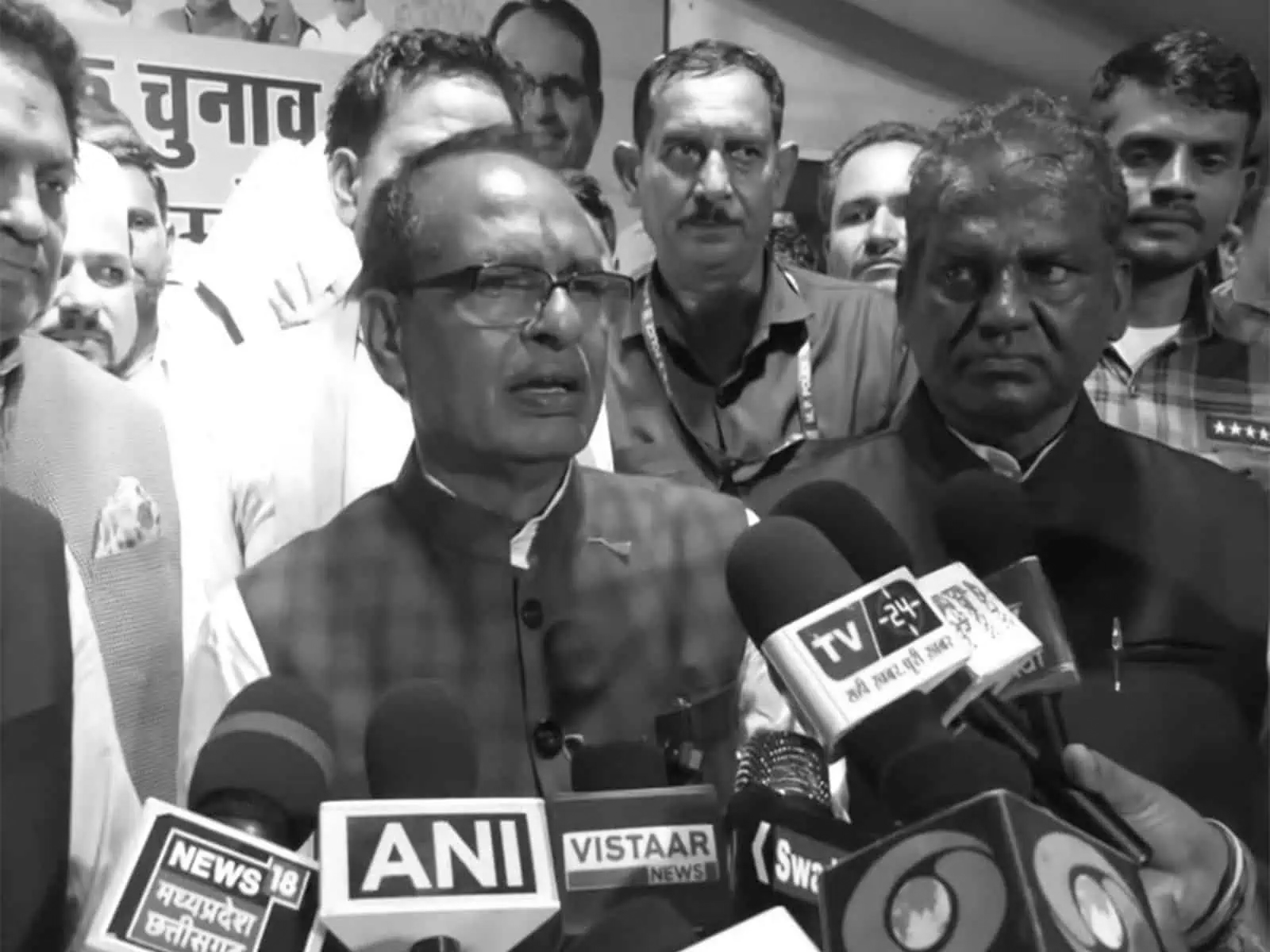
One nation, one election is in the interest of the country: Shivraj Singh Chouhan
Union Agriculture Minister Shivraj Singh Chouhan reiterated the government’s pitch for simultaneous elections, saying the One Nation, One Election (ONOE) proposal was in “the interest of the country” and urging support for the move. The Minister framed ONOE as a step toward administrative efficiency and national cohesion.
The government has emphasised practical gains: lower election-related expenditure, reduced disruption to public administration, and logistical ease for the Election Commission and other agencies. Delhi’s official briefings and government statements have repeated these benefits as core reasons to pursue synchronization. At the same time the cabinet and expert panels have moved to study feasibility and build consensus before any major legal change.
But many analysts and opposition voices have framed the push differently as a politically convenient distraction that could shift public attention away from pressing issues such as Trump tariffs, unemployment and inflation. Critics argue that packaging ONOE as a simple efficiency reform risks masking large political implications, especially when a dominant national narrative can overwhelm state-specific debates during simultaneous polls.
Legally and constitutionally the route to ONOE is far from simple. Experts and legislative-research bodies note that synchronising elections would require significant constitutional amendments, changes to terms of state assemblies, rules for premature dissolutions, and possibly new laws to preserve state powers plus careful reworking of parliamentary and state statutes. The High-Level Committee and research groups have flagged the scale of these changes and underlined the need for wide consultation before any amendment.
There is a deeper institutional worry about federal balance and regional voice. India’s federal design allows states to raise issues specific to local economies, identities and governance. If national and state polls are fused, campaign agendas are likely to be dominated by national leadership and central issues, shrinking space for regional parties and local accountability. Scholars have warned this could tilt the balance of power and weaken the mechanisms through which citizens register mid-term discontent.
Crucially, elections are an accountability tool: staggered polls let voters reward or punish governments between national cycles. Synchronisation would reduce those periodic checks meaning fewer opportunities for the electorate to express dissatisfaction and correct course between five-year cycles. That trade-off between efficiency and democratic responsiveness lies at the heart of the ONOE debate.
If ONOE is to move beyond a slogan, policymakers will need to do three things: (1) build cross-party consensus and a transparent amendment roadmap, (2) guarantee legal safeguards that protect state autonomy and local issues, and (3) design mechanisms (for example, stronger local bodies or mid-term recall tools) that preserve accountability even under synchronized cycles. Without such safeguards, what the government calls “in the interest of the country” risks becoming a structural change that sidelines regional voices and compresses democratic choice.