
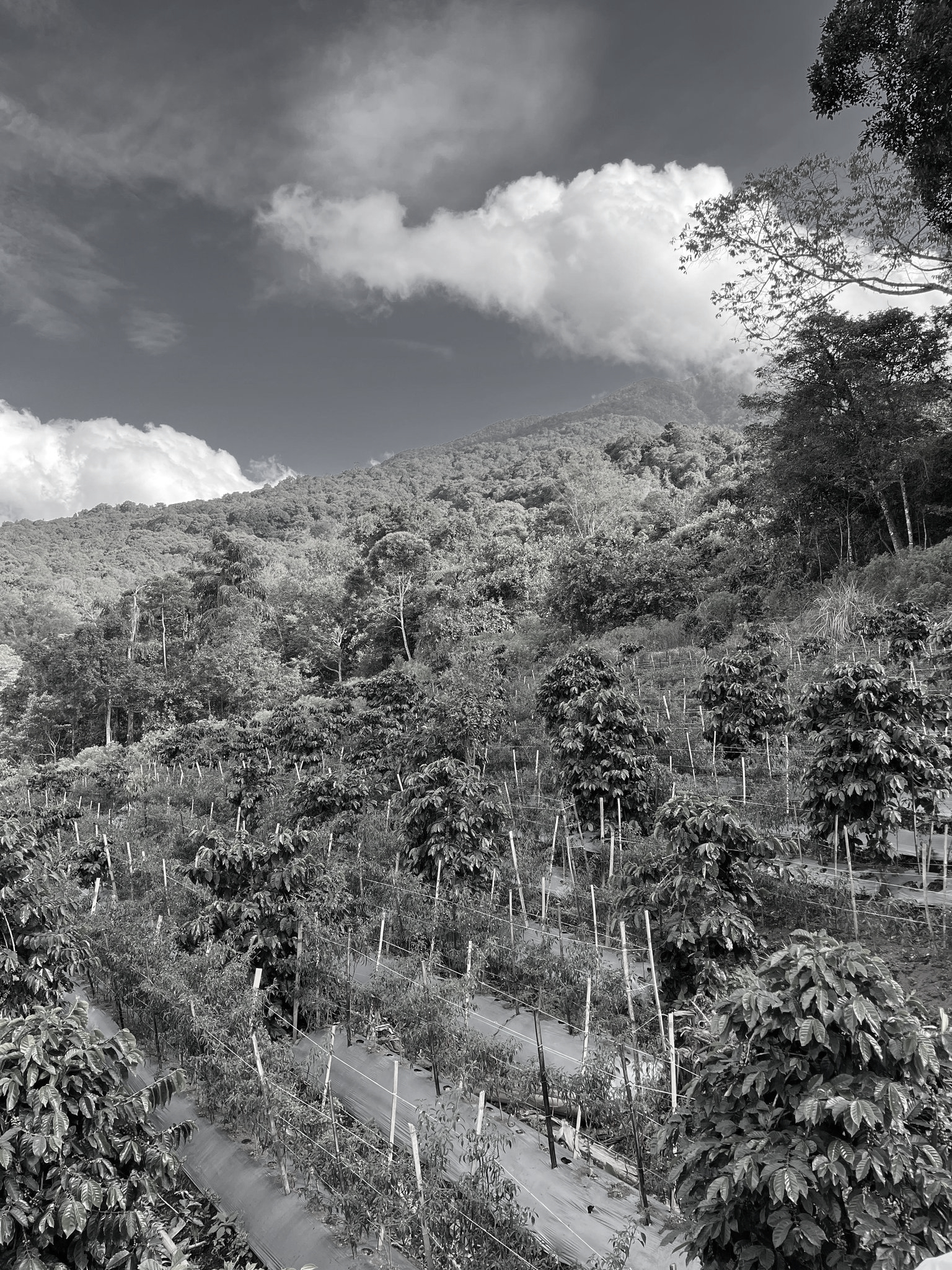
On the ‘Kappi’ trail: Exploring South India’s timeless coffee legacy
Just as Americans can’t imagine starting their day without coffee, South Indians share an equally deep affection for their beloved “kappi.” From early morning filter coffee served in steel tumblers to chic cafés in urban corners, the beverage has become more than just a drink it’s a way of life, a social ritual, and a sensory experience that defines southern India.
From Yemen to Karnataka: The Journey Begins
The story of Indian coffee began over three centuries ago. In 1670, a Sufi saint named Baba Budan brought seven raw coffee beans from Yemen and secretly planted them in the misty hills of Chikmagalur in Karnataka. Those few beans marked the birth of India’s thriving coffee culture, which soon spread to Coorg , Wayanad , Nilgiris , and Araku Valley .
Today, India is one of the top 10 coffee producers in the world. About 80% of the country’s coffee is grown in the southern states, with Karnataka producing 53%, followed by Kerala (28%) and Tamil Nadu (11%). Interestingly, nearly 80% of this coffee is exported, while the rest satisfies a growing domestic demand.
India’s Love Affair with Coffee
According to the Coffee Board of India, nearly 30% of India’s adult population drinks coffee regularly, with South Indians forming the largest share. In Tamil Nadu, Karnataka, and Kerala, coffee consumption far surpasses that of tea especially in urban households. Traditional South Indian filter coffee remains a staple, but newer generations are exploring everything from cold brews and espressos to cappuccinos and macchiatos.
Why Coffee Grows Best in the Hills
Coffee is a sensitive crop that flourishes only under specific climatic conditions and the hilly terrain of South India provides just that. The ideal altitude for coffee ranges from 800 to 2,000 meters above sea level, offering cooler temperatures, misty air, and well-drained soil. These conditions ensure that the coffee cherries ripen slowly, absorbing more flavor.
The slopes prevent waterlogging during monsoon rains, while tall shade trees shield the plants from direct sunlight. This unique “shade-grown” cultivation, rare in many parts of the world, gives Indian coffee its distinctive aroma and complexity. It’s also why Indian beans are prized internationally as “monsooned coffee” — rich, earthy, and smooth.
The Four Gems on India’s Coffee Trail
Chikmagalur – Where It All Began
Chikmagalur, fondly called the “Coffee Land of India,” remains the cradle of the country’s coffee story. The Baba Budangiri hills, where the first beans were planted, continue to yield some of the finest Arabica and Robusta varieties. Many plantations here have transformed into luxury retreats like The Serai and Java Rain Resort , where visitors can walk through aromatic estates, witness the coffee-picking process, and savor freshly brewed cups against a backdrop of misty hills.
Coorg – The Crown of Indian Coffee
Coorg (Kodagu) is another jewel in India’s coffee crown. Its undulating terrain, cool climate, and fertile soil make it ideal for growing coffee intercropped with pepper and cardamom. Generations of Kodava families have cultivated coffee here, producing blends that are bold and full-bodied.
Luxury estates such as Evolve Back (Orange County) and Tata Coffee’s Plantation Trails offer immersive experiences from bean-to-cup workshops to jeep rides through scenic coffee estates.
Nilgiris – The Blue Hills of Aroma
In Tamil Nadu, the Nilgiris (meaning “Blue Mountains”) offer a distinct coffee-growing environment. The altitude, mist, and proximity to tea gardens produce coffee that’s light, aromatic, and floral. Arabica thrives here, particularly in regions like Coonoor and Kotagiri, where eco-conscious planters focus on sustainable and organic cultivation. Visitors can combine coffee tastings with tea factory tours and hill-station experiences.
Araku Valley – The Tribal Brew of the East
On the eastern coast, Araku Valley in Andhra Pradesh is a rising star in India’s coffee map. Nestled in the Eastern Ghats, this scenic valley produces 100% organic Arabica beans grown by tribal farmers. Supported by fair-trade initiatives, Araku Coffee has gained global acclaim — even gracing cafés in Paris and Tokyo.
The coffee here tells a story of empowerment, with tribal women leading much of the cultivation and processing work. Visiting Araku offers not only the chance to sip world-class brews but also to witness how coffee cultivation can transform rural lives.
Types of Coffee Grown in India
India primarily grows two species of coffee:
• Arabica – Grown at higher altitudes, it has a mild flavor, balanced acidity, and aromatic sweetness. It accounts for about 40% of India’s production.
• Robusta – Hardier and more disease-resistant, Robusta grows at lower altitudes and offers a stronger, more bitter flavor. It constitutes about 60% of the output and is widely used in instant and blended coffees.
Beyond these, Indian plantations also produce specialty varieties like Monsooned Malabar Coffee , Coorg Arabica , Wayanad Robusta , and Baba Budan Giri Arabica , each with its own distinctive profile.
When to Visit the Plantations
The best time to visit coffee plantations is between November and March. This is the harvest season in most regions, when the coffee cherries turn bright red and the air carries the heady scent of freshly picked fruit. The weather is cool and pleasant, making it perfect for guided estate walks, plantation stays, and coffee-tasting sessions.
For those who prefer the greenery of the monsoon, June to September offers lush landscapes and misty trails though harvesting happens later in the year.
The Brew That Unites the South
Whether it’s the traditional filter coffee of Tamil Nadu, the strong “Kaapi” of Karnataka, or the artisanal blends of Araku, coffee binds southern India in a shared aroma of warmth and nostalgia.
Each cup tells a story of mountain soil, monsoon rains, and the generations that have nurtured the beans. And as coffee tourism continues to grow, travelers can now experience this legacy firsthand living amid plantations, understanding the art of roasting, and, of course, sipping that perfect cup in the heart of the hills.
So, this International Coffee Day , take the Kappi Trail through the rolling estates of South India and discover how a few smuggled beans from Yemen brewed into one of the most flavorful chapters of India’s cultural and agricultural history.