
Odisha hikes Maoist surrender aid to ₹5 lakh
The Odisha government's move to revise and enhance the Maoist surrender and rehabilitation policy comes at a time when states across central India are witnessing a steady rise in the number of armed cadres giving up militancy and returning to the mainstream. The updated policy, announced on November 28, doubles financial assistance for senior Maoist cadres from ₹2.5 lakh to ₹5 lakh and introduces significantly higher rewards for surrendering firearms in working condition.
According to the new policy, a surrendered Light Machine Gun (LMG) will fetch ₹4.95 lakh, an AK-47 rifle ₹3.3 lakh, an INSAS or SLR rifle ₹1.65 lakh, and a .303 rifle ₹82,500, compared to the previous rewards of ₹10,000 or ₹5,000. These incentives are intended to dismantle Maoist firepower, encourage voluntary surrender, and rehabilitate former insurgents through financial support, housing, education and employment assistance.
While Odisha has seen several surrenders in districts like Malkangiri, Koraput and Kandhamal in recent years, neighbouring states such as Chhattisgarh and Madhya Pradesh have reported notable cases of armed operatives giving up weapons and leadership roles. In southern Chhattisgarh, multiple groups of cadres have surrendered over the past few months, including senior operatives involved in armed attacks and explosives procurement. Many of them handed over AK-47s, INSAS rifles, SLRs, carbines and ammunition, marking one of the largest weapon recoveries in the region.
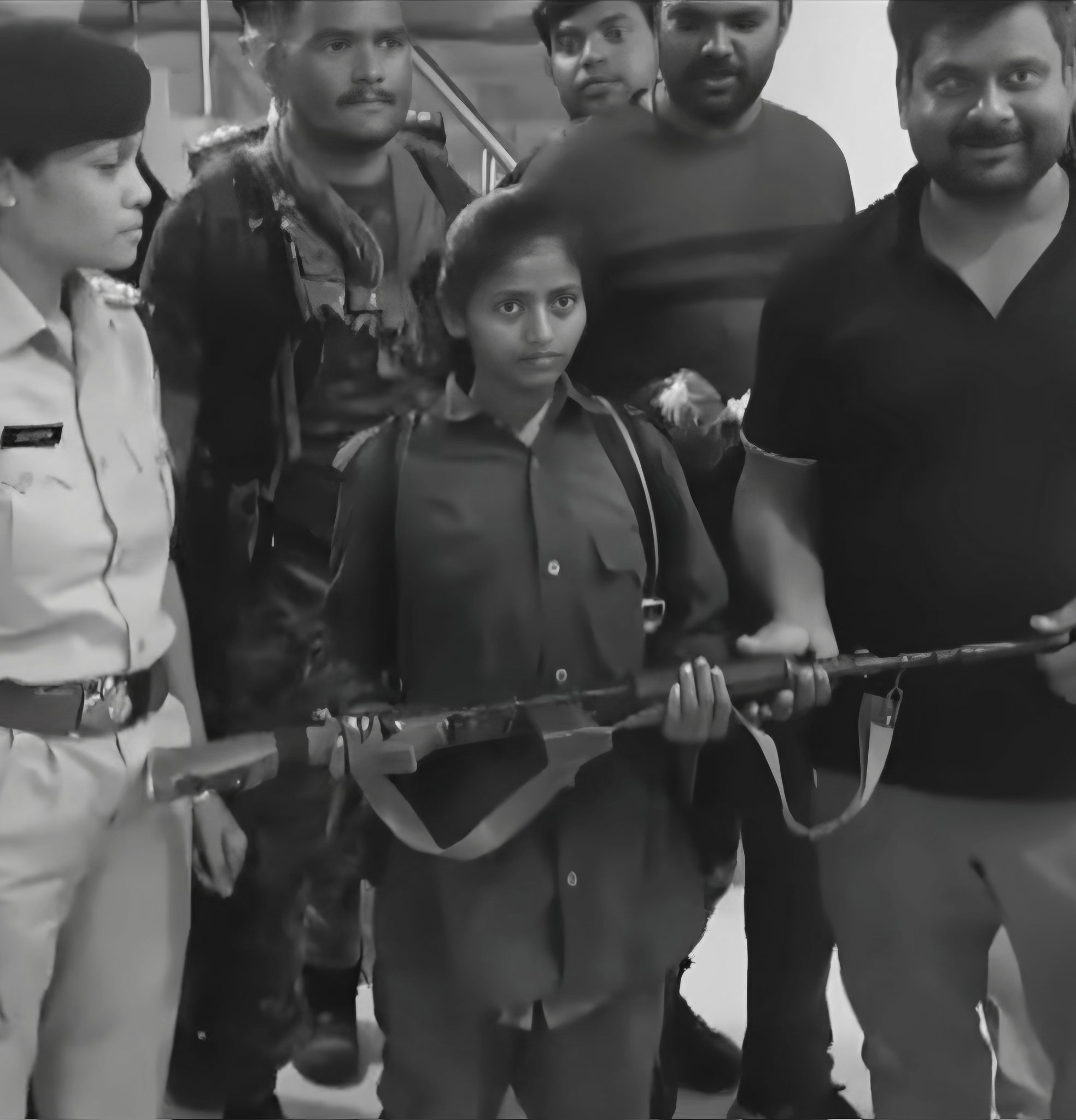
In Madhya Pradesh, a major surrender took place in Balaghat, where a woman Maoist cadre with a reward of ₹14 lakh surrendered along with an INSAS rifle. Officials said she was associated with Maoist activities across the Maharashtra-Madhya Pradesh-Chhattisgarh (MMC) tri-junction and was involved in recruitment and logistics. Her surrender marked a breakthrough in a region that has been witnessing a gradual decline in Maoist presence.
Security officials attribute the growing number of surrenders to sustained operations, improved intelligence, enhanced rehabilitation policies, community outreach and the intensive crackdown on arms supply networks. Many cadres have been reported to express disillusionment with life in the forests, lack of medical care, dwindling support, and internal conflict within Maoist groups.
According to security experts, Maoists obtain weapons through multiple channels, including looting from security forces during ambushes, smuggling via international borders, locally fabricated firearms, and illicit access to mining explosives in forest and mineral-rich regions. Odisha’s mining belts often face illegal movement of ammonium nitrate, detonators, gelatin sticks and other explosives, which are frequently used to manufacture IEDs and landmines.
As Maoist influence declines in several pockets, the MMC Zonal Committee has reportedly hinted at openness to collective surrender under secure conditions, raising expectations of a large-scale disarmament proposal. Officials say coordinated policies, trusted rehabilitation guarantees, and state-level cooperation will be crucial for enabling such mass surrenders. According to the state’s Chief Minister, about 100–120 Maoists are currently active in Odisha.
Odisha’s revised policy, with its structured incentives tied to weapon surrender and rehabilitation, is expected to strengthen the state’s counter-extremism strategy. By aligning financial compensation with disarmament, the government aims not only to weaken Maoist operational capacities but also to support long-term reintegration of former insurgents into peaceful civic life.