
"Nuke Iran If I'm Killed": Trump's Chilling Warning as US-Iran War Rages On
The US military said Monday it had ended its latest wave of strikes on Iran , even as it insisted Tehran does not control the Strait of Hormuz , one of the world's most critical oil arteries. US Central Command (Centcom) said its forces used fighter jets, warships, aerial drones and, for the first time, naval drones to hit air defence systems, radar sites, and missile and drone equipment across Iran. "The Strait of Hormuz is a vital maritime corridor for global trade," Centcom said in a statement. "Iran does not control it."
The strikes came hours after Iran hit back at American allies across the Gulf, with missile sirens wailing at dawn in Bahrain , home to the US Navy's Fifth Fleet , while Kuwait intercepted "hostile aerial targets" and Jordan downed four incoming missiles. Iranian state media confirmed fresh strikes on its soil, reporting at least one death Monday, separate from Sunday's toll of 17 killed and 115 wounded. Talks between Iran and Oman over the strait's future collapsed over the weekend, with Tehran blaming "overt and covert pressures" from Washington on Muscat. Oil prices jumped over 2% on renewed fears, with Brent crude trading above $78 a barrel.
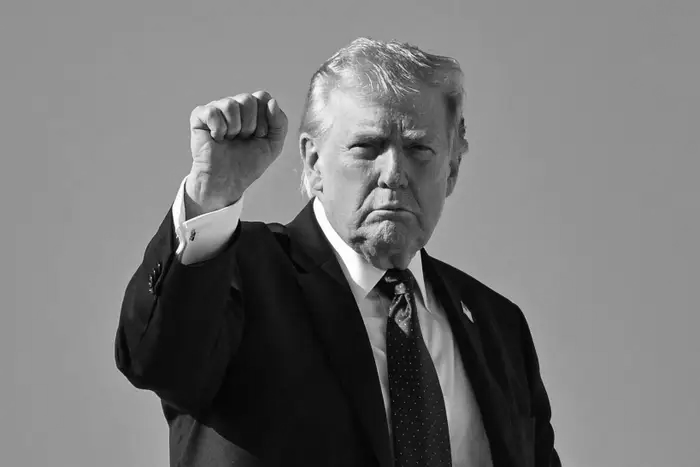
Adding a volatile edge to the crisis, President Donald Trump said he has left standing orders for the US military to destroy Iran "at levels they've never seen before" should Tehran assassinate him, claiming 1,000 missiles are "locked and loaded" and aimed at Iran, with thousands more to follow should Tehran act. Notably, Trump's post stopped short of explicitly invoking nuclear weapons. Presidential historian Garrett Graff said a more legally sound approach would be for Vice President JD Vance to decide on retaliation if Trump were killed, since no automatic "dead man's switch" exists in US law; any real decision would fall to Vance under the 25th Amendment . Washington had separately warned Iran over threats to Trump before, including after a foiled 2022 plot against former national security adviser John Bolton .
Iran's supreme leader, Mojtaba Khamenei , vowed his nation would continue avenging the killing of his father in the war's opening strikes in February. UN Secretary-General António Guterres warned that "a return to full-scale hostilities would have catastrophic consequences," as mediators including Oman pressed to save the interim 60-day deal meant to pave the way for a permanent end to the war.