
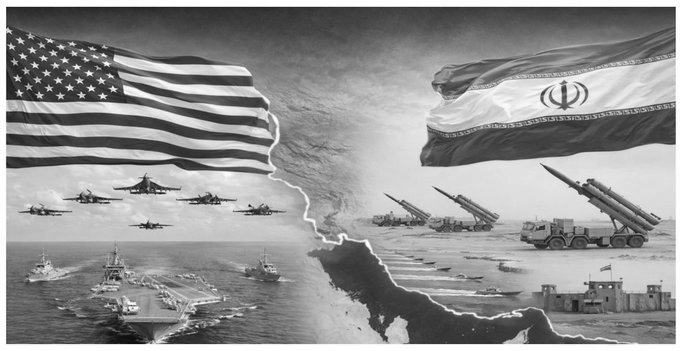
"Now They Pay": US Hammers Iran, Tehran Strikes Back at Five Fronts
The fragile US-Iran truce came under fresh strain on Sunday as the United States struck around 140 targets across Iran after Tehran attacked a container vessel in the Strait of Hormuz , prompting US Defence Secretary Pete Hegseth to declare bluntly, "Iran made a poor choice. Now they pay." The strikes triggered a wave of Iranian retaliatory fire against multiple Gulf Arab states , deepening the crisis around the war that began on February 28 .
The Cyprus-flagged container ship suffered significant engine-room damage and was set ablaze, forcing its crew to abandon it, with one civilian crew member reported missing . Iran's Revolutionary Guard said the vessel had ignored warnings to alter course along the approved shipping route near Oman's coastline. In response, US Central Command carried out its largest round of strikes yet, hitting missile and drone launch sites, naval assets, ammunition stores and communication facilities across Iran.
Hours later, missiles and drones were fired at Qatar, the UAE, Bahrain, Kuwait, Oman and Jordan . Qatar's Interior Ministry said three people, including a child, were wounded by falling shrapnel from intercepted projectiles, and Doha condemned the attacks as a "dangerous escalation" that undermines diplomacy. Bahrain , home to the US Navy's Fifth Fleet , sounded missile alerts for the third time in the day, while Kuwait's military said it intercepted incoming fire. Oman's state news agency reported drone strikes on its Musandam exclave, days after Tehran and Muscat had held talks on the strait's future. The UAE said missile threats were intercepted outside its borders, marking its first scare in this latest round of hostilities. Iran's Revolutionary Guard separately claimed it had struck a US radar site in Kuwait and destroyed a command centre and drone hangars at an American base in Jordan.
Tehran declared the Strait of Hormuz closed "until further notice" and warned it could target more enemy bases in the region if attacked again. The waterway, through which nearly a fifth of the world's oil and gas once flowed, has become the central flashpoint in efforts to end the war. The latest strikes on Iran have killed at least 17 people and wounded 115 , according to Tehran's health ministry .
Despite the fighting, Oman and Iran said they would continue technical and political talks on the strait, while mediators including Pakistan, Qatar and Egypt continued efforts to keep the broader peace process alive.