
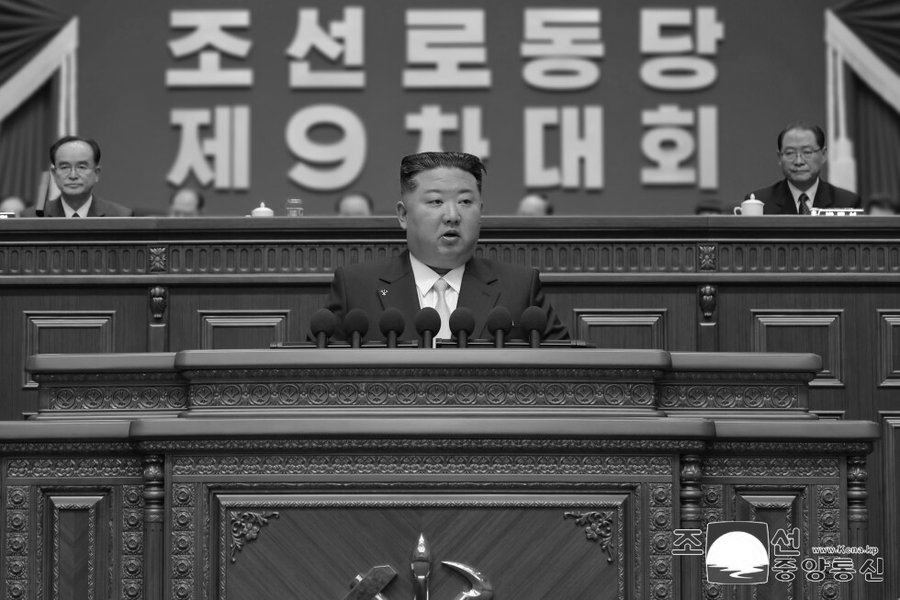
North Korea’s recovery narrative faces doubts as Kim hails “Irreversible” economic gains
North Korean leader Kim Jong Un has claimed that his country’s economy and regional standing have strengthened since the last Workers’ Party Congress in 2021, prompting renewed questions over whether North Korea has truly recovered from the COVID-19 crisis and whether economic conditions have genuinely improved.
Opening the ruling party’s most important political meeting, Kim said the nation had made “irreversible” progress and now faced “favourable conditions” to boost economic construction and improve living standards. His speech focused on domestic achievements and avoided direct references to nuclear weapons or standoffs with the United States and South Korea.
Analysts say there are signs of limited recovery , but from a very low base . Trade with China has gradually resumed after nearly three years of border closures, easing shortages of food and consumer goods. North Korea’s expanding military cooperation with Russia during the war in Ukraine has also likely brought economic assistance and access to military technology in exchange for weapons and manpower.
Despite these developments, conditions for ordinary citizens remain difficult. Food insecurity is widespread , with UN agencies estimating that more than 40% of the population around 10.7 million people are undernourished and require food assistance . At the same time, everyday living costs have surged, as market-based indicators suggest sharp inflation in staple foods and basic goods , with prices rising dramatically due to supply shortages and currency weakness. Energy availability remains unstable, and informal markets continue to struggle with limited supplies. Construction projects highlighted by state media in Pyongyang are largely seen as symbolic showcases and do not reflect genuine economic improvement across the country.
North Korea claims it successfully overcame COVID-19 through strict lockdowns and later vaccination efforts. However, the absence of independent data and the country’s weak healthcare system have cast doubt on official accounts. Pyongyang sealed its borders for nearly three years , sharply restricting trade and humanitarian aid. Experts believe this extreme isolation may have limited virus transmission but worsened food and medical shortages , with deaths and infections likely underreported .
Kim’s decision to downplay foreign policy issues is seen as an effort to project domestic stability and political control . Observers expect the congress to outline future economic goals and further plans for military expansion , possibly including constitutional changes affecting inter-Korean relations.
Experts conclude that Kim’s narrative blends selective facts with political messaging . While trade and external support from China and Russia have provided a modest rebound , there is little evidence that living standards have significantly improved , raising doubts over whether the claims signal genuine recovery or primarily serve to reinforce regime authority .