
North Korea to Resume Anti-South Korea Propaganda Broadcasts as Border Tensions Rise
North Korea plans to resume anti-South Korea propaganda broadcasts along their heavily militarised border, escalating tensions after land mine explosions injured three South Korean soldiers and the two countries traded accusations over border security.
Kim Yo Jong, the influential sister of North Korean leader Kim Jong Un, announced that loudspeakers would be ready for psychological warfare operations along the entire border within October. In a statement on Thursday, she also warned that Pyongyang would place new countermeasures on alert against what it considers South Korean provocations.
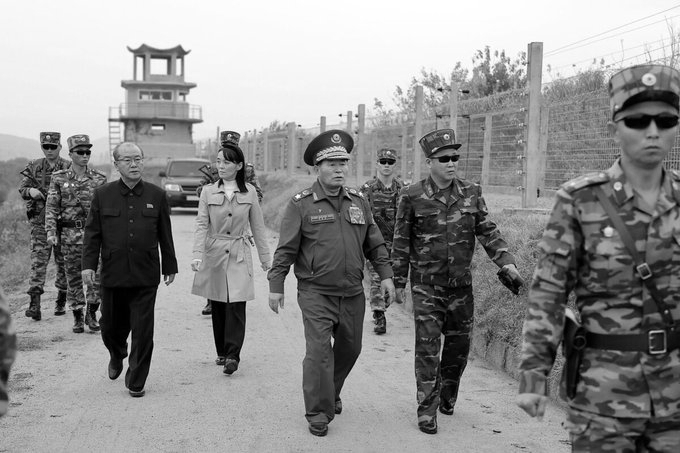
During a frontline visit, Kim described North Korea's ongoing border fortification work, which includes land mines, barbed-wire fences and anti-tank barriers, as a major undertaking supporting her brother's policy of permanently severing ties with South Korea. Kim Jong Un has declared the South his country's most hostile adversary.
Kim warned that South Korean warning shots aimed at pushing North Korean soldiers back across the military boundary could invite retaliation if they threatened North Korean territory or personnel.
The latest tensions follow September 21 land mine explosions that injured three South Korean soldiers. Seoul blamed North Korea for planting the mines after an inspection with the US-led United Nations Command and demanded an apology and the removal of remaining explosives. Pyongyang has denied responsibility and threatened retaliation.
South Korean Defence Ministry spokesperson Chung Binna said Seoul would consider proportionate measures in response to the North's activities. South Korea's military has also alleged that North Korean troops crossed the military demarcation line 50 times this year during fortification work, a claim rejected by Pyongyang.
South Korean military chief Jin Yong-Sung described Kim's threats as intolerable and ordered a firm response to potential provocations.
The planned broadcasts revive a Cold War-era psychological warfare tactic. South Korea's President Lee Jae Myung halted Seoul's broadcasts after taking office last year to improve relations, and North Korea subsequently stopped its own. However, the prolonged nuclear negotiations stalemate with the United States and Kim Jong Un's hardline policy toward Seoul continue to deepen the diplomatic deadlock.