
North Korea Fires Missiles After Drill, Rejects US “Goodwill” Gesture
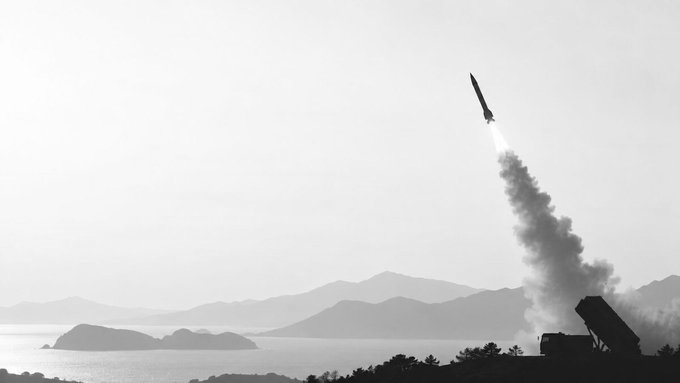
North Korea fired multiple short range ballistic missiles toward the sea on Saturday, a day after the United States, South Korea and Japan ended their five day Freedom Edge military exercise. The launch, North Korea’s first in about three weeks, came after Pyongyang called the drill a provocation.
South Korea’s Joint Chiefs of Staff said several missiles were launched from the eastern coastal Wonsan area at around 5:20 am and flew about 250 km toward the East Sea. Seoul raised its surveillance posture and exchanged information with Washington and Tokyo. Its presidential National Security Office held an emergency meeting and urged Pyongyang to stop ballistic missile launches that violate UN Security Council resolutions.
The US Pacific Command said the launches posed no immediate threat to US territory or its allies, while reaffirming Washington’s defence commitment in the region.
Freedom Edge included maritime manoeuvres, air refuelling, cyber coordination and medical drills. US Pacific Command said the three militaries trained “side by side across air, sea and cyber domains” to improve interoperability. South Korea described the exercise as defensive and aimed at countering North Korean nuclear and missile threats.
North Korea had warned of retaliation after the drill began Monday. Defence Minister Kim Song Gi threatened “strong and reflective countermeasures from the standpoint of power.” The latest launches follow about 10 short range ballistic missiles fired on August 20 during the annual US South Korean Ulchi Freedom Shield exercise.
US President Donald Trump had ordered the Pentagon to substantially reduce that exercise, citing his relationship with leader Kim Jong Un. Kim’s sister Kim Yo Jong rejected the move, saying shortening the drill would not change its “provocative, aggressive nature.”
Kim has continued expanding North Korea’s nuclear and naval capabilities. He recently oversaw the commissioning of the Kang Kon, a 5,000 tonne class destroyer, and called for a more reliable nuclear deterrent. North Korea has also deepened ties with Russia and China.
Kim has said Pyongyang could return to talks if Washington ends its “hostile policy” and accepts North Korea as a nuclear state. Experts say its growing nuclear capabilities and stronger ties with Russia and China could provide greater leverage in future US diplomacy.