
No Putin in Venice: Pink Balaclava Protesters Clash Over Russia’s Biennale Return
The 2026 edition of the Venice Biennale has become one of the most politically charged in its history, with anti-Kremlin protests, jury resignations, and pavilion shutdowns overshadowing the global art exhibition.
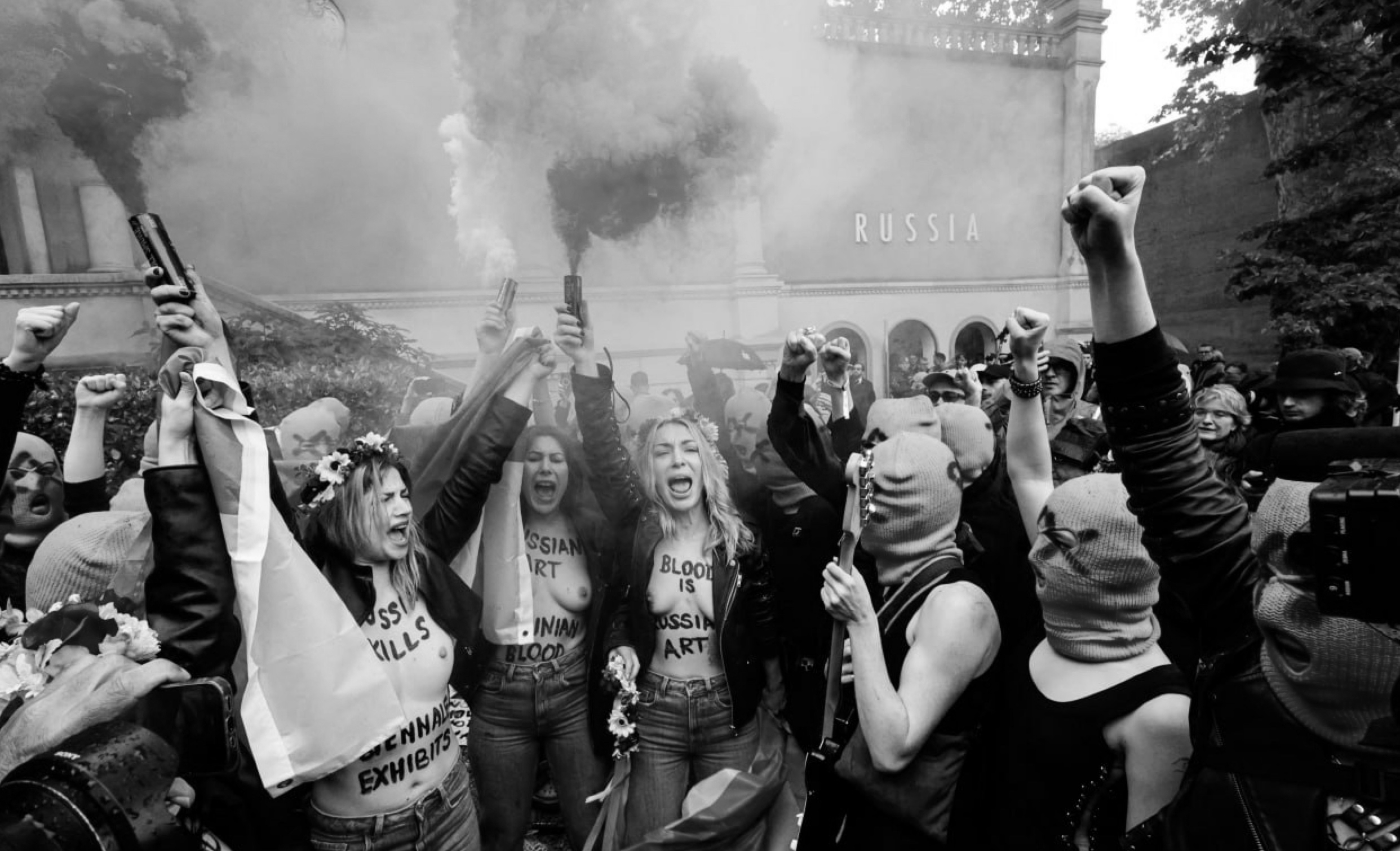
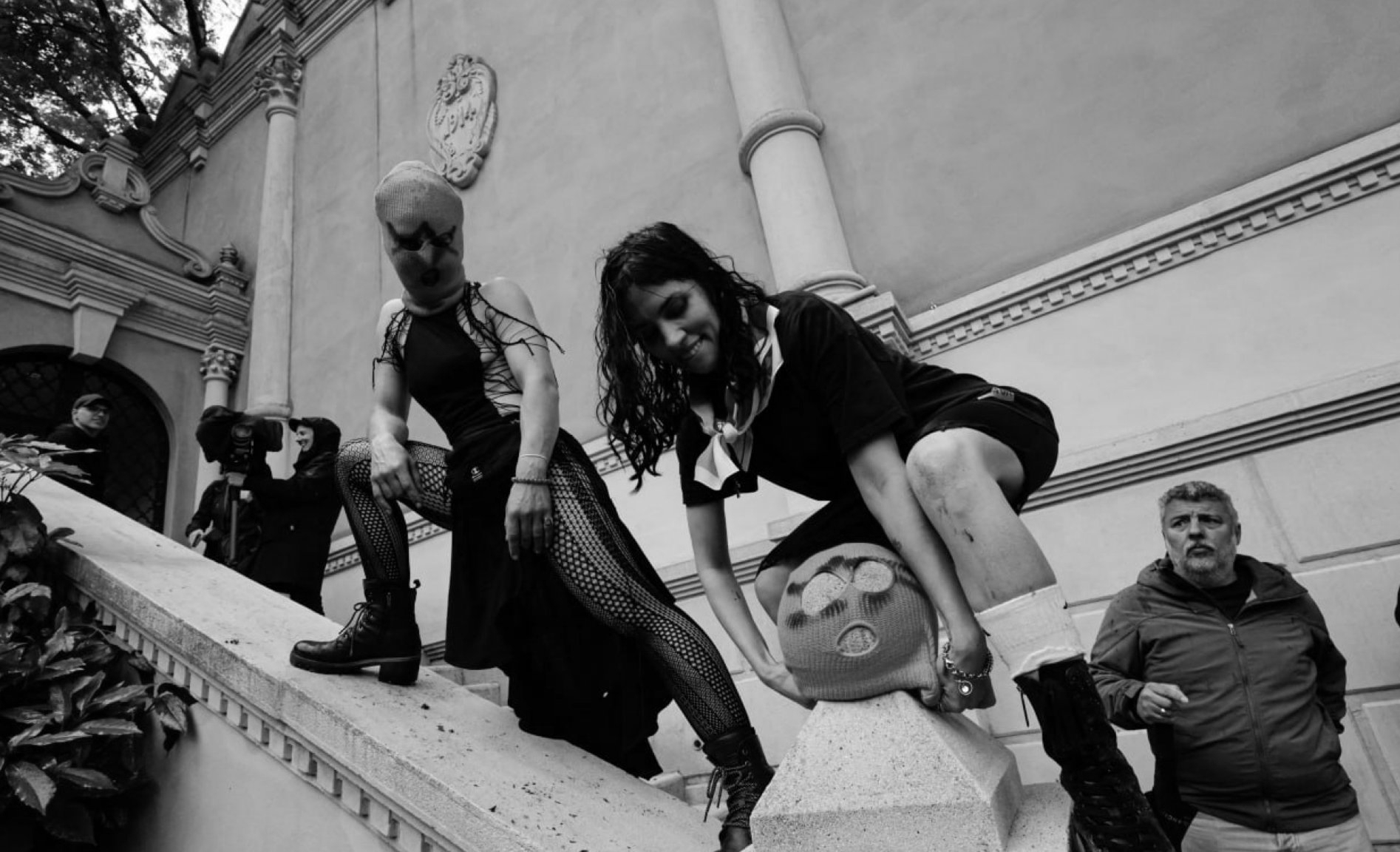
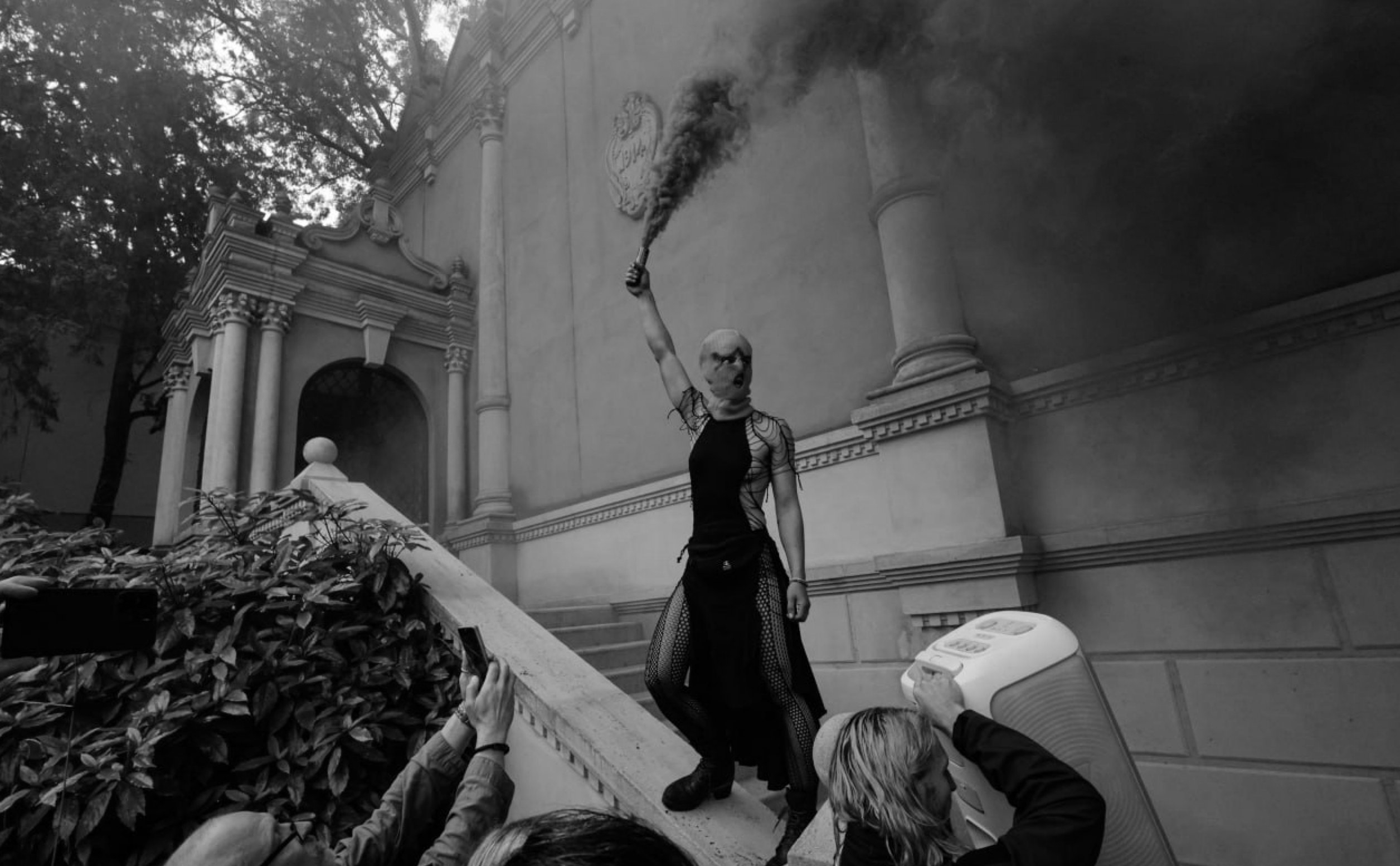
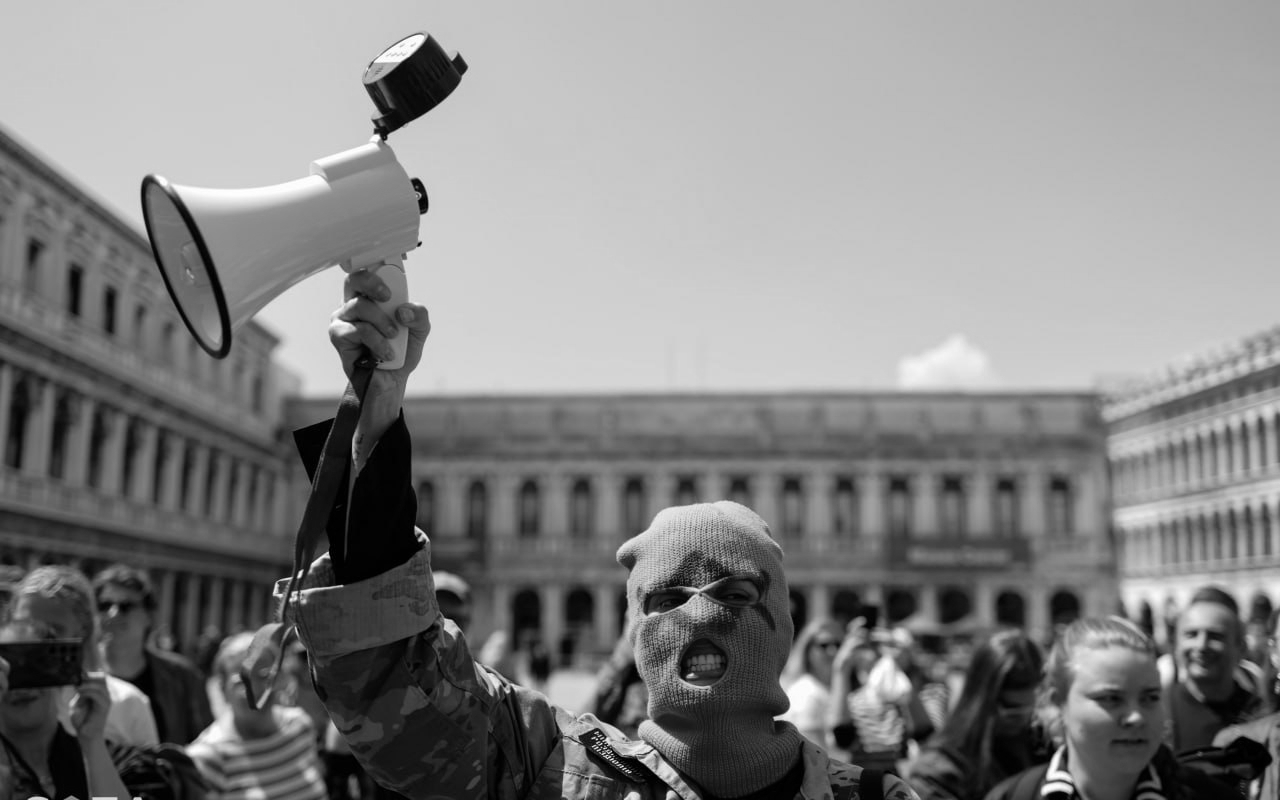
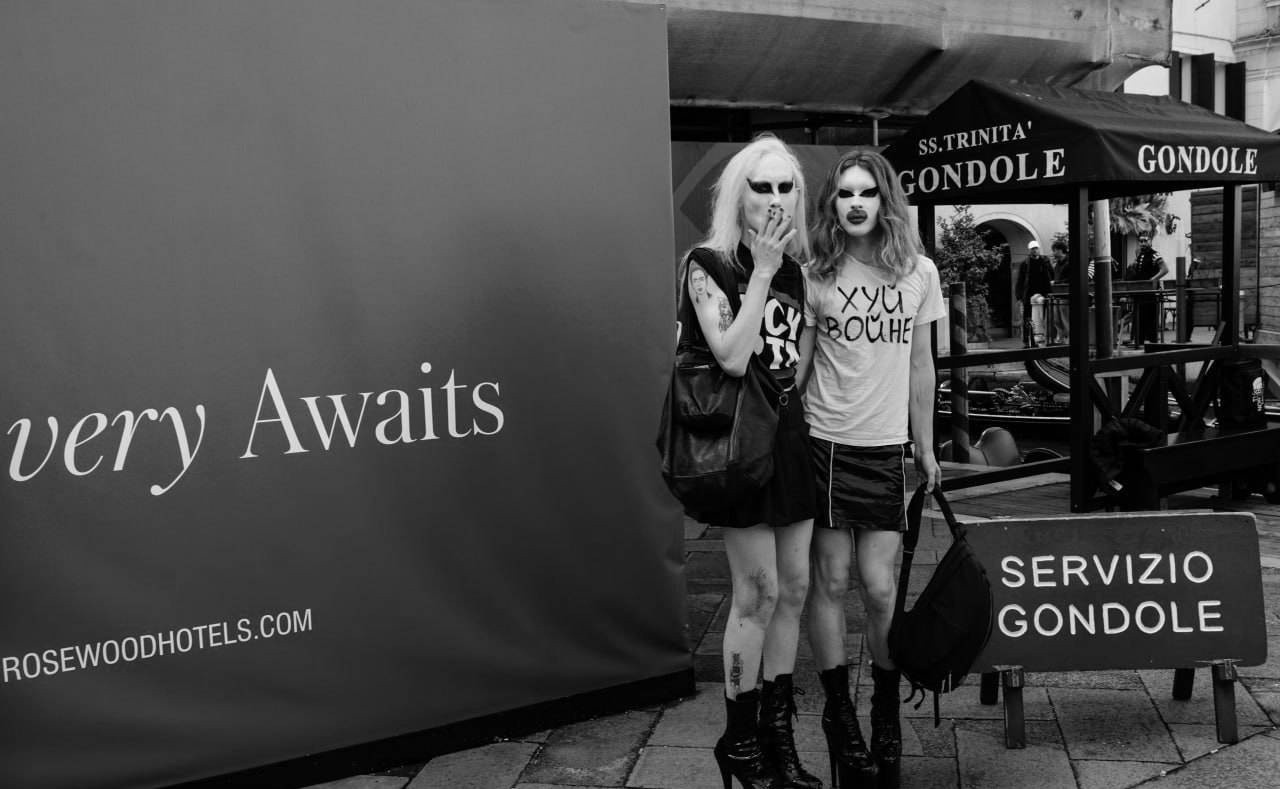
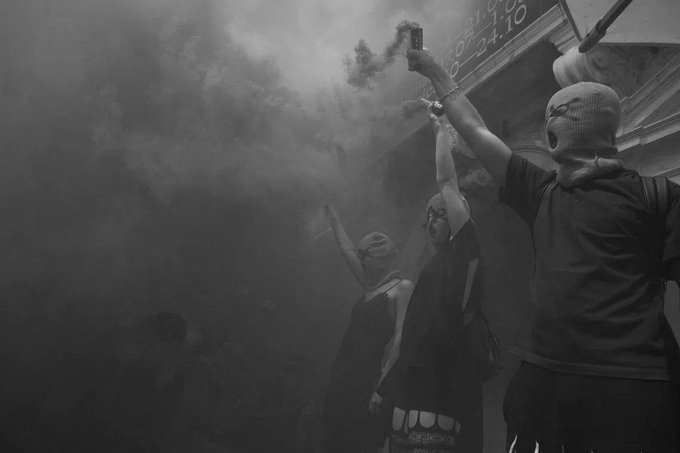
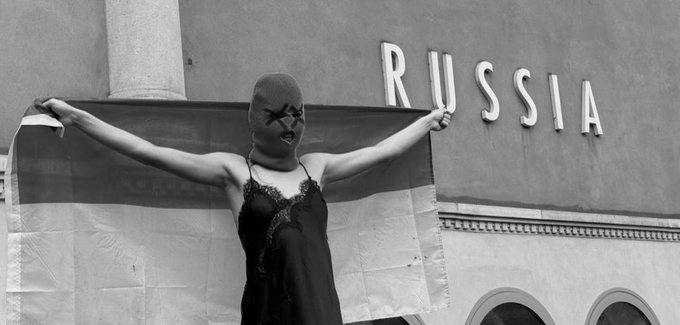
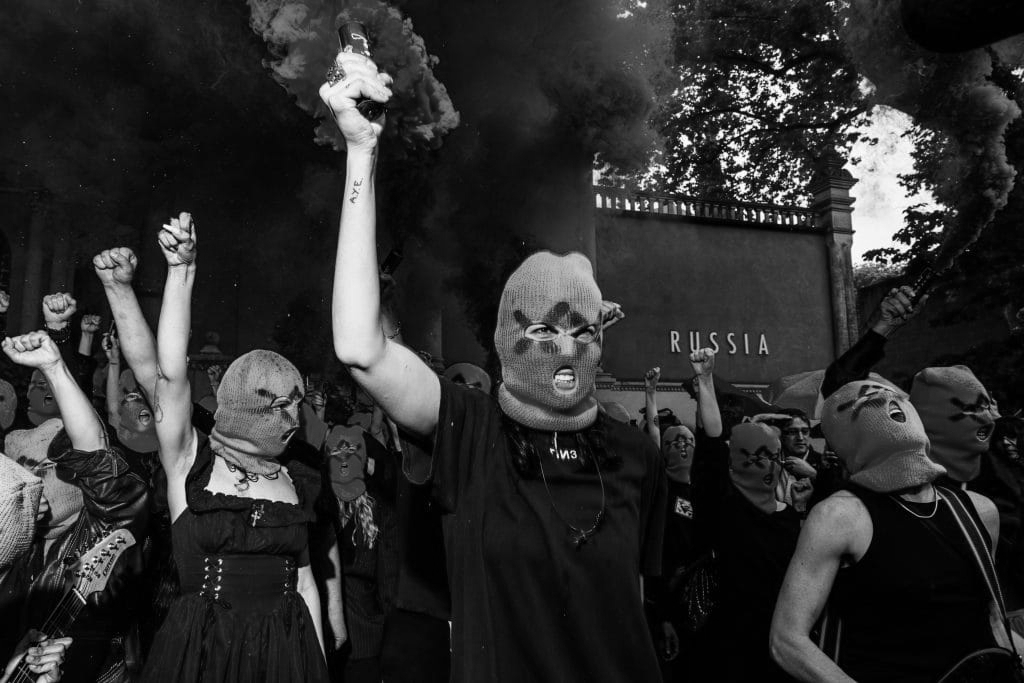
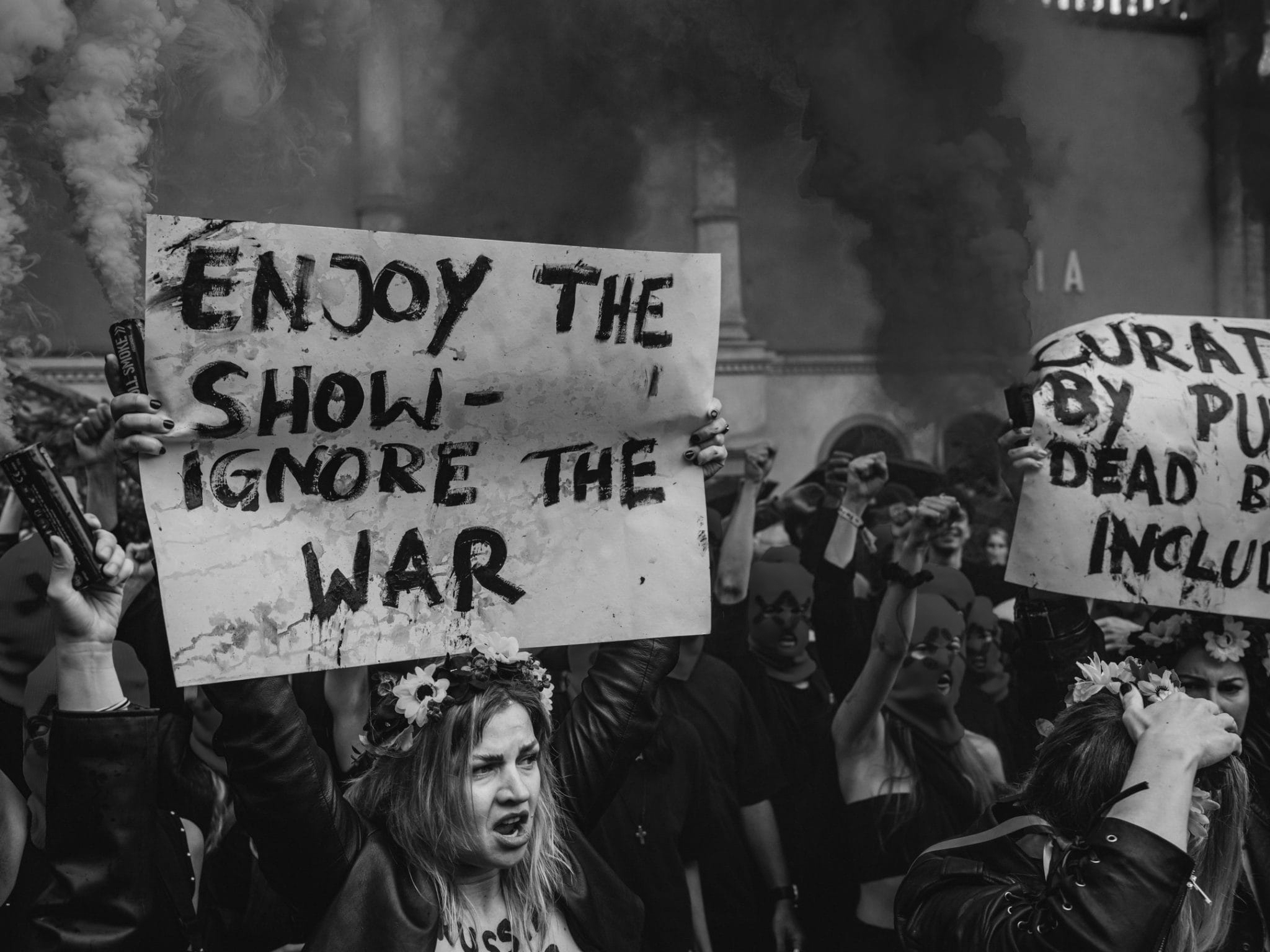
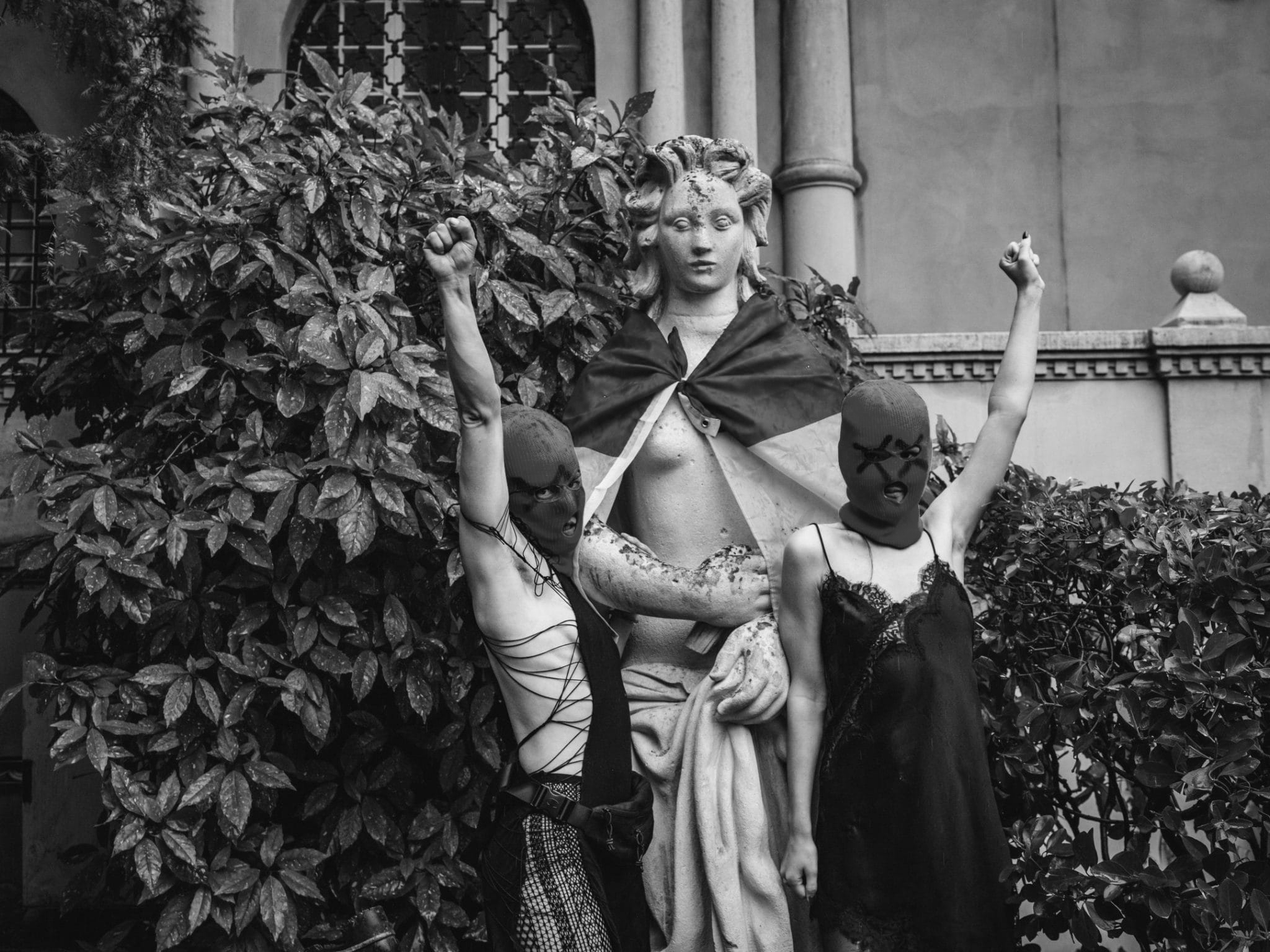
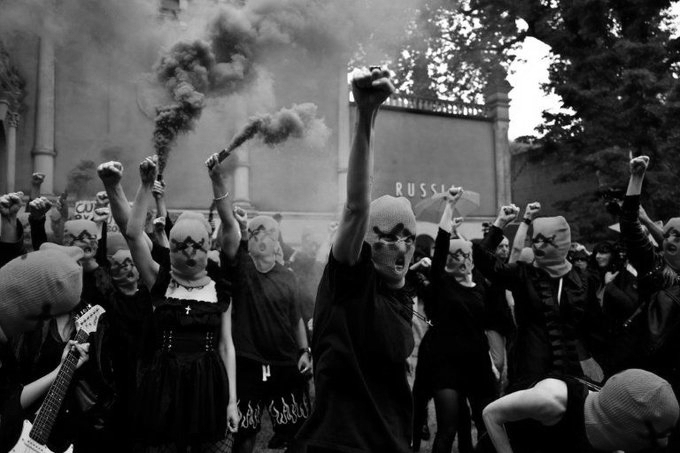
The most intense demonstrations took place outside the Russian Pavilion , where members of Pussy Riot and FEMEN wearing pink balaclavas waved Ukrainian flags, released coloured smoke, and shouted anti- Vladimir Putin slogans. The protest briefly forced the pavilion’s closure during preview events. Activists accused organisers of enabling Russia’s use of cultural diplomacy as a form of “soft power” despite the ongoing war in Ukraine.
Pussy Riot co-founder Nadya Tolokonnikova urged Biennale organisers to exclude Russia and suggested future representation be given to imprisoned Russian artists. Reports also indicated that the Russian Pavilion, titled “The Tree is Rooted in the Sky,” is partially inaccessible to the public, with installations visible mainly through windows.
The controversy escalated further after the Biennale jury resigned in protest over the inclusion of Russia and Israel, both linked to ongoing international legal and human rights scrutiny. The resignation led to the cancellation of traditional Golden Lion awards , replaced instead by public voting from visitors.
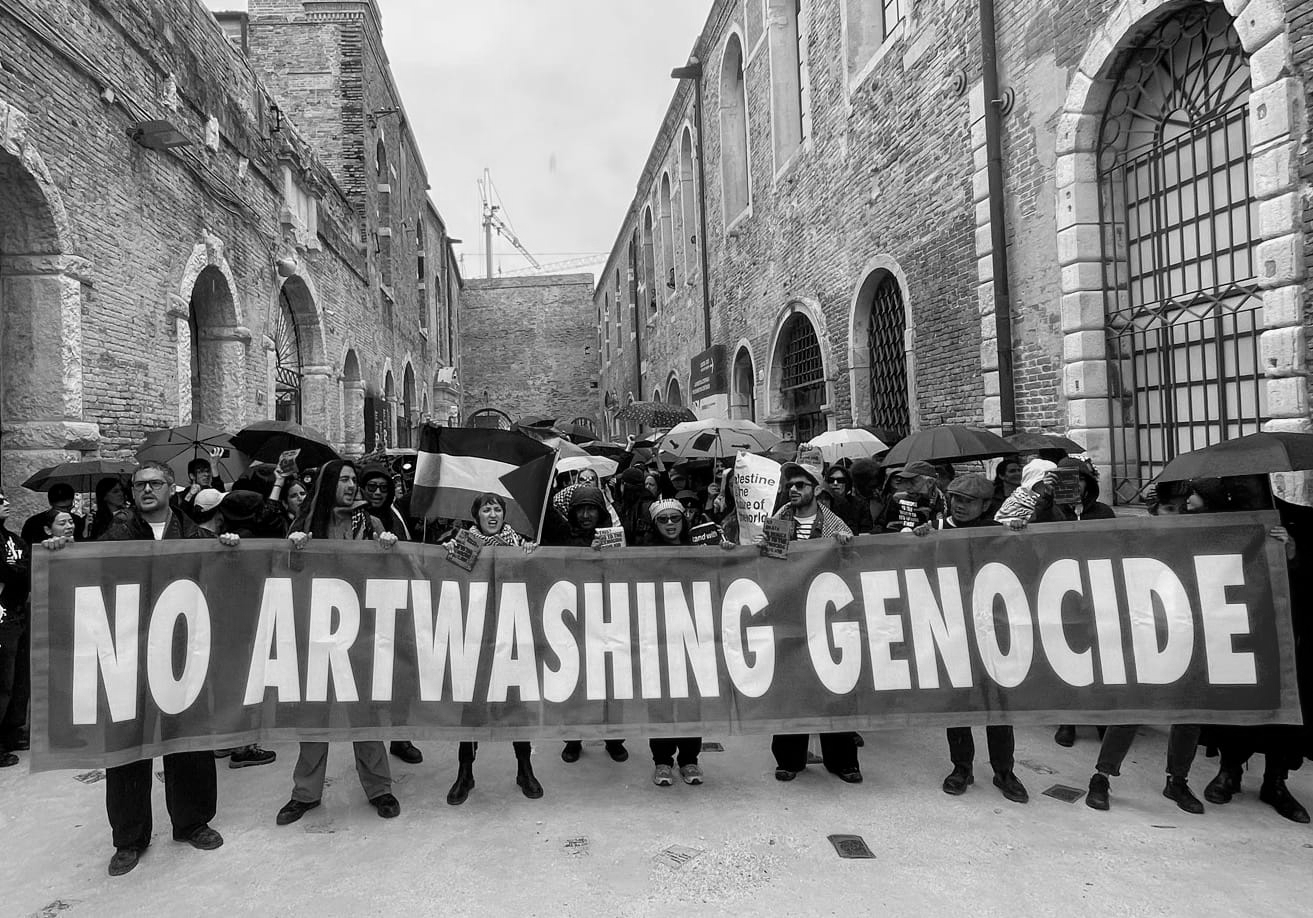
Around a dozen national pavilions, including Austria, Belgium, the Netherlands, Japan, and South Korea , staged partial or full shutdowns in solidarity with protests over Israel’s participation amid the Gaza conflict. Pro-Palestinian flags and banners appeared across multiple venues.
Despite the unrest, the central exhibition “In Minor Keys,” curated by the late Koyo Kouoh , continues to feature over 110 artists exploring migration, identity, and marginalized voices . Highlights include Lubaina Himid’s migrant-themed British Pavilion, the Vatican’s “Mystic Garden,” and provocative works by Florentina Holzinger .
The 2026 Biennale now stands defined less by art awards and more by its role as a global stage for war, politics, and cultural confrontation .