
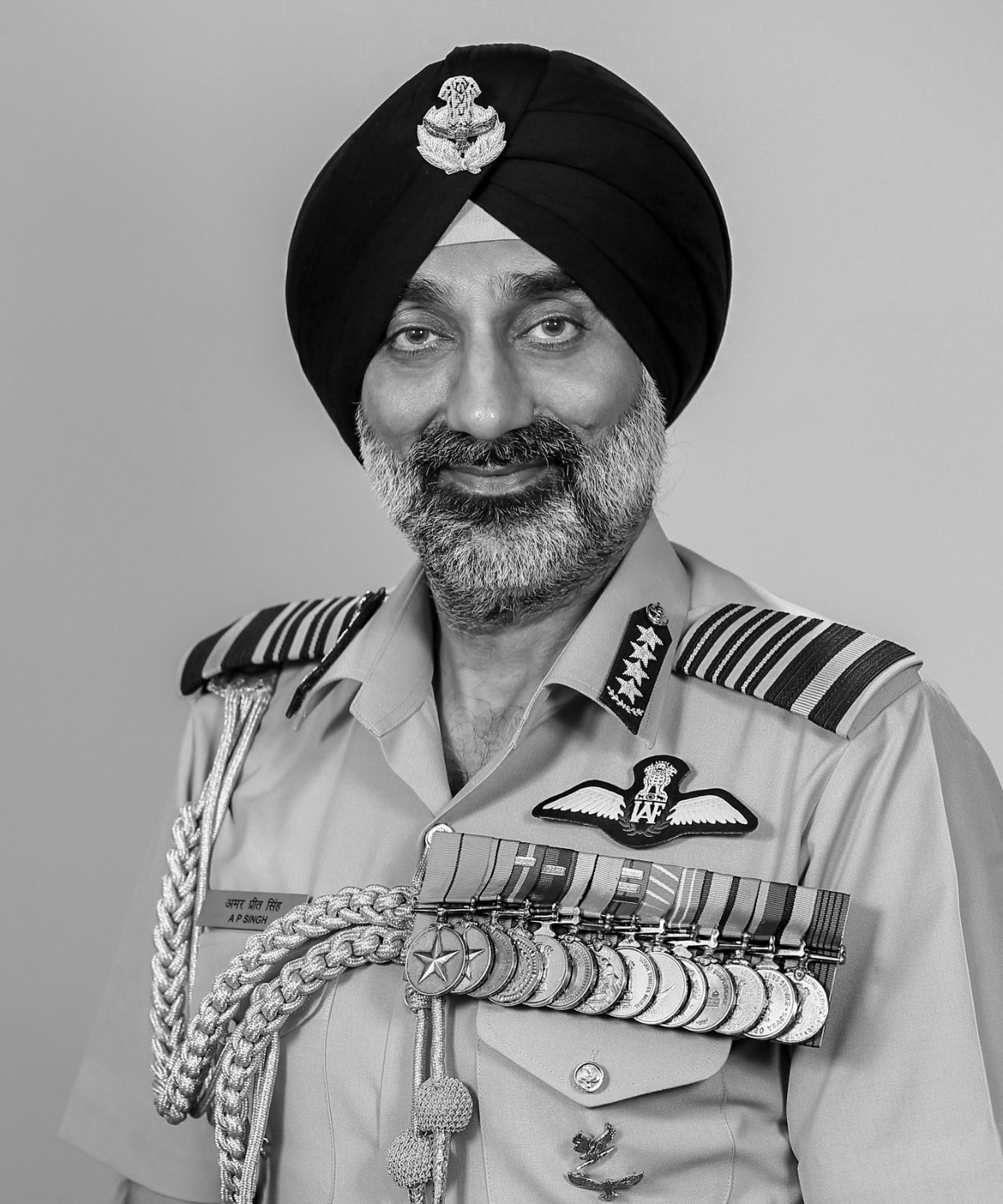
No Permanent Division of Fighter Assets Under Theaterisation, Says IAF Chief
The Indian Air Force (IAF) is not viewing theaterisation as an exercise to permanently divide its fighter assets geographically, Chief of Air Staff Air Chief Marshal AP Singh said on Sunday, stressing that the proposed military reform must reflect India’s specific security requirements.
In an interview, Singh said the guiding principle should be centralised control where necessary and decentralised execution where appropriate, allowing air power to be concentrated rapidly wherever operational requirements demand.
He emphasised that the large-scale transformation should be implemented in phases to ensure that operational readiness is never compromised. The theaterisation plan, announced in 2019, seeks to integrate the Army, Navy and Air Force under joint theatre commands to improve coordination and optimise military resources. The proposed structure envisages three commands: Northern in Lucknow, Western in Jaipur and Maritime in Thiruvananthapuram.
However, progress has been delayed by differences among the three services over the proposed command structures, with the IAF expressing reservations about splitting its fighter squadrons. Singh said air power derives its strength from speed, reach, flexibility and the ability to concentrate combat capabilities at critical points. Aerial refuelling, long-range weapons, networked sensors and suitable basing arrangements allow aircraft to operate across geographical boundaries and shift between sectors as threats evolve, he said.
Citing Operation Sindoor, Singh said centralised allocation and timely reallocation of critical resources under a joint architecture established by the Chief of Defence Staff and the three service chiefs proved decisive. He also cautioned against designing future military structures based on overly certain predictions of warfare, which he said would likely become faster, more autonomous and increasingly dependent on networks.
Future arrangements must be assessed against India's strategic, geographical, technological and operational environment rather than copied from other countries, he said. Singh reaffirmed the IAF's commitment to jointness, saying the services would work together to build an integrated structure that preserves the flexibility of air power. Future conflicts would be inherently multi-domain, requiring the three services to plan and operate together more closely, he added.