
No immediate handover: India says Hasina extradition under legal review
India on Friday said it is examining Bangladesh’s request to extradite former Prime Minister Sheikh Hasina through established judicial and legal procedures , underlining that the process cannot be reduced to a simple act of arrest or handover. Hasina, 78, has been residing in India since August 2024 , after fleeing Dhaka following the collapse of her government amid a massive anti-government agitation.
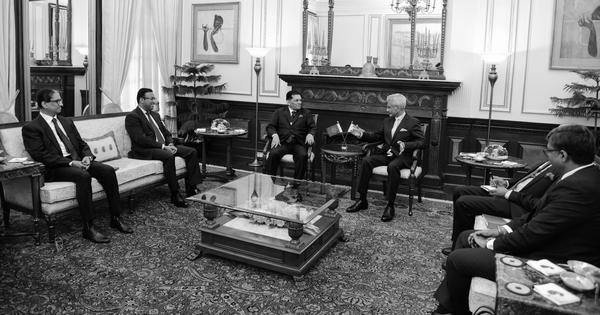
The issue was raised during Bangladeshi Foreign Minister Khalilur Rahman ’s recent visit to New Delhi, where he held talks with External Affairs Minister S. Jaishankar . Responding to queries, Ministry of External Affairs spokesperson Randhir Jaiswal said the request is “being examined as part of ongoing judicial and internal legal processes,” indicating that the matter is being handled within a structured legal framework.
Extradition, officials emphasise, is not an immediate executive action . Under Indian law and international norms, such a request must undergo legal scrutiny to determine whether it meets the requirements of India’s extradition laws and any applicable bilateral agreements. This is followed by judicial review , where courts assess the evidence, the nature of charges, and whether due process has been followed. Only after these stages does the executive take a final decision , ensuring the process remains rule-based rather than a straightforward “capture and handover.”
Bangladesh has sought Hasina’s extradition after she was convicted by the International Crimes Tribunal for “crimes against humanity” linked to the 2024 crackdown on student-led protests. She, along with former Home Minister Asaduzzaman Khan Kamal, was reportedly awarded the death penalty , making the case legally and diplomatically sensitive.
When asked about recent political developments in Bangladesh, including a law that could provide legal backing to the ban on Hasina’s Awami League, Jaiswal said India is “closely following all developments” but did not offer further comment.
Relations between New Delhi and Dhaka have remained strained since the political upheaval in Bangladesh. However, India has signalled its intent to engage constructively with the new leadership. Jaiswal reiterated that India seeks to strengthen bilateral ties , even as the extradition request continues to be examined through legal channels.