
No Formal Message From New Delhi on Oil Trade Shift: Kremlin
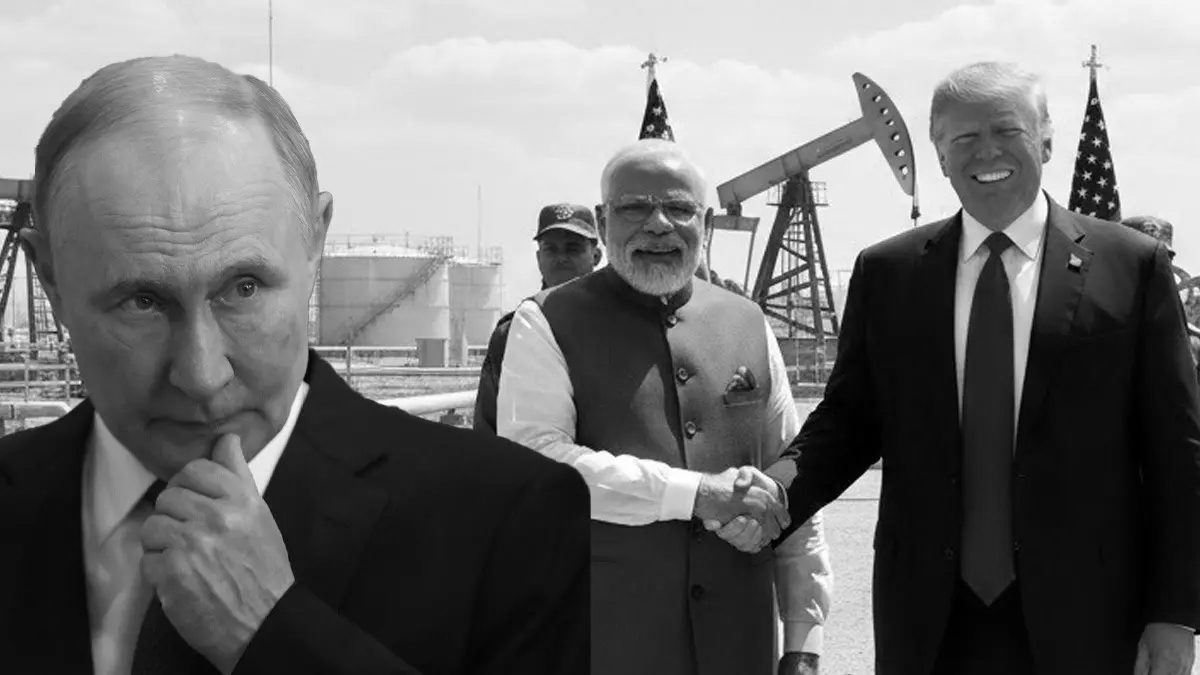
In the latest twist in global trade and energy geopolitics, a high-profile trade understanding between the United States and India announced by President Donald Trump, including a pledge by Prime Minister Narendra Modi to stop buying Russian crude oil has triggered market optimism, diplomatic pushback and fresh questions about India’s energy strategy. While New Delhi and Washington are promoting reduced tariffs on Indian exports to the US, the key claim about ending purchases of Russian oil remains unverified by India and denied by Moscow , raising uncertainty about how, or whether, the energy aspect will be implemented.
According to multiple reports, the trade deal announced by Trump would lower reciprocal tariffs on Indian goods from previously punitive levels to around 18 percent , a move that was welcomed by exporters and reflected in rising Indian equities and a stronger rupee. However, the oil component framed by the US as part of the package has not been formally confirmed by India. The Kremlin made clear through spokesman Dmitry Peskov that it has received no official statement from India indicating a halt in Russian oil purchases, and Moscow reiterated its intention to continue strengthening ties with New Delhi.
The divergence between Washington’s version of the deal and the Russian government’s statements underscores a central tension: India has publicly welcomed tariff relief but has not issued a formal declaration stating it will immediately stop Russian crude imports. Industry sources in India have told international news agencies that refiners have not received government orders to alter their supply chains and that any reduction in Russian purchases would likely occur over time rather than as an immediate cut-off. This reflects logistical realities: long-term supply contracts, shipping schedules and refinery configurations tailored to specific grades make abrupt changes difficult.
Economically, Russian crude has been a cost-effective component of India’s import mix since 2022, when Western sanctions and conflict in Ukraine pushed New Delhi to secure discounted barrels. Switching to alternative supplies such as U.S. or Venezuelan crude as suggested by the Trump statement involves not just diplomatic commitment but also price competitiveness, freight costs, and technical refinery adjustments. Analysts warn that while the strategic notion of reducing dependence on Russian oil aligns with US interests, practical execution will be measured and negotiated.
Political and market reactions have been mixed. Many Indian exporters and investors applauded the tariff reduction for its potential to boost trade and growth. Some opposition politicians in India questioned the logic of tying energy imports to trade concessions, warning against compromising national energy security. In the United States, lawmakers framing the development have described it as a geopolitical victory, reinforcing pressures on Moscow’s energy revenues.
Geopolitically, the situation highlights India’s balancing act among economic interests, energy security, and strategic partnerships. While Washington portrays the arrangement as aligning commercial incentives with broader efforts to isolate Russia economically, New Delhi has emphasized its sovereign right to determine its own energy strategy. Meanwhile, Russia’s denial of any official oil-halt notification leaves open how the narrative will evolve.
In practical terms, the next phase will hinge on official clarifications , potential joint statements from New Delhi and Washington, and observable shifts in crude shipment data tracked by industry analytics firms. Until then, the claim that India has agreed to stop buying Russian oil remains a public assertion from the US side rather than a confirmed policy change even as tariffs come down and markets adjust to the evolving economic landscape.