
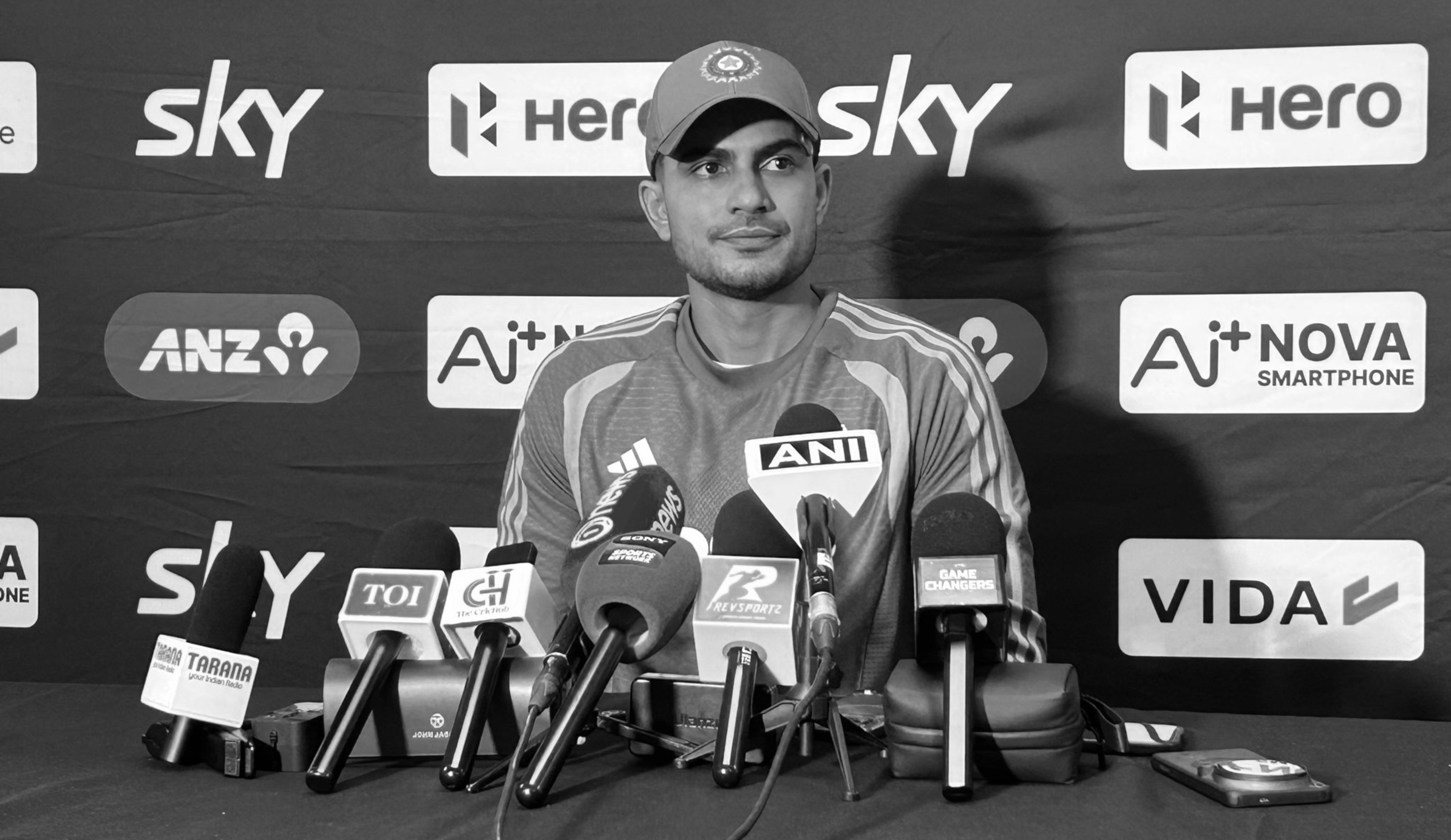
No Fixed Slots for Rahul as Gill Unveils India's Flexible Middle-Order Plan
Indian captain Shubman Gill has said batting positions five, six and seven will remain flexible in the team's middle order ahead of the five-match ODI series against New Zealand, with KL Rahul's role depending on match situations and the number of overs remaining.
Speaking to reporters on the eve of the opening ODI on November 3, Gill said India's top four batting positions were largely settled, but the middle order would be adjusted according to the team's requirements. He explained that Axar Patel could be promoted to number five if a left-handed batter was needed, while Rahul could be sent in when the team required an experienced batter to capitalise on a strong platform.
Gill said the management was satisfied with the way the top and middle order was shaping up and preferred flexibility over fixed batting positions.
He also highlighted the importance of Hardik Pandya's return, saying his presence would strengthen the lower-middle order and provide greater batting depth, particularly at numbers seven and eight.
Gill also explained India's preference for taller fast bowlers in the new-look pace attack. He said taller bowlers could generate additional bounce and challenge opposition batters, especially when the ball gets older and offers little seam or swing movement.
According to Gill, India's strategy is to use pace and bounce to restrict scoring and create wicket-taking opportunities during the middle overs. The pace attack for the series comprises Mohammed Siraj, Arshdeep Singh, Anshul Kamboj, Gurnoor Brar and Auqib Nabi.
India will begin the five-match ODI series on November 4 after an eventful T20I contest against New Zealand. India won the first three matches to establish a 3-0 lead, but the hosts fought back by winning the final two games to finish the series 3-2.
New Zealand will look to carry that winning momentum into the ODI format, while India will aim to bounce back and begin the next leg of the tour with a victory.