
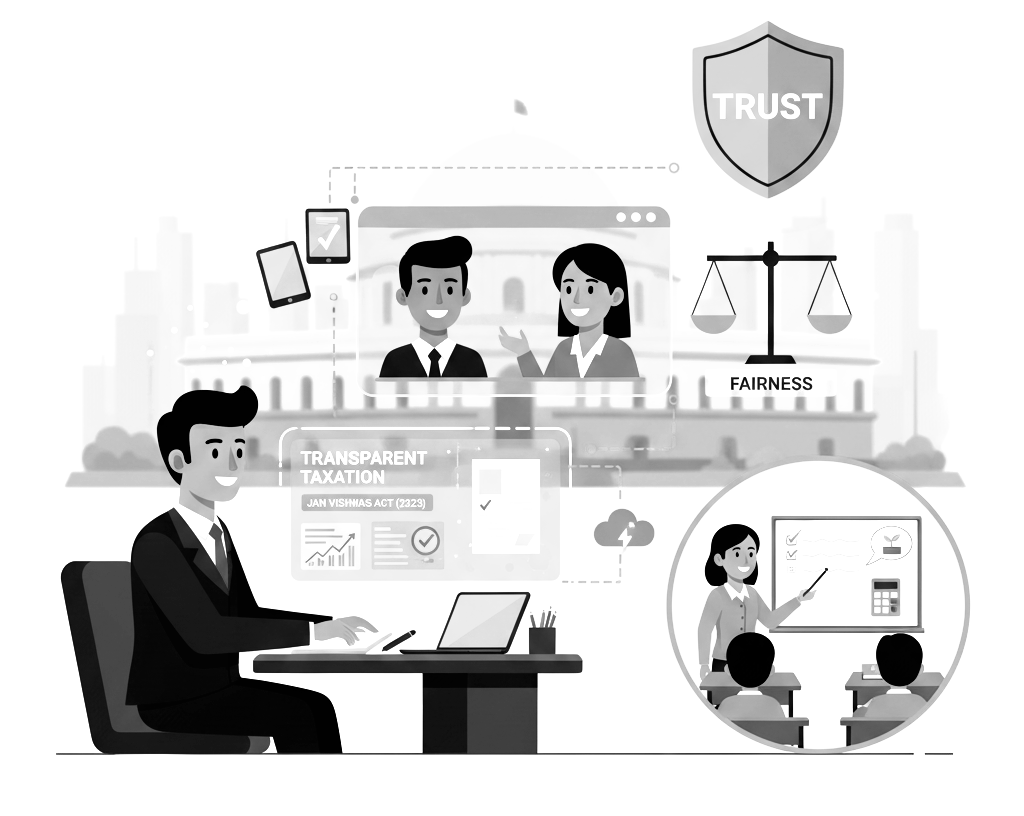
Niti Aayog advocates trust-based tax system for simpler compliance
Niti Aayog has recommended a trust-based tax system to make India’s taxation simpler, fairer, and more transparent. In its working paper, “Towards India’s Tax Transformation: Decriminalisation and Trust-Based Governance,” the government thinks that the new system would encourage voluntary compliance, reduce administrative hurdles, and foster cooperation between taxpayers and authorities.
It is noted that India’s current tax system relies heavily on audits and penalties, which can create fear and confusion. In contrast, a trust-based approach emphasizes collaboration, digital tools, and clear procedures, helping taxpayers comply without stress. “Trust-based governance fosters a culture of compliance rooted in confidence rather than fear,” the paper said, highlighting transparency and predictability as key pillars.
One of the main recommendations is the decriminalisation of minor tax offences. Minor mistakes or procedural errors would attract civil or monetary penalties, while serious fraud or deliberate evasion would still face criminal action. Courts would also have flexibility to impose the appropriate penalty, instead of relying on mandatory imprisonment. Digital platforms like Transparent Taxation - Honouring the Honest and the Jan Vishwas Act (2023) aims to simplify compliance by reducing penalties for minor procedural errors and promoting voluntary correction by taxpayers, highlighted as tools to simplify compliance and reduce unnecessary disputes.
How will the new taxation system work: For instance, if a taxpayer files a return a few days late, instead of facing cri minal proceedings, they may now only have to pay a small fine. Similarly, a small business that misclassifies a minor expense unintentionally would face a civil penalty rather than criminal charges. If a taxpayer voluntarily reports a mistake, the system encourages correction without fear, promoting transparency and trust. Platforms like Transparent Taxation allow taxpayers to check filing status, get guidance, and file returns easily, reducing audits and friction.
It is also noted that many people only learn about taxes when they start earning, which makes compliance feel overwhelming. Teaching tax basics in schools could prepare future taxpayers, reducing confusi on and creating a sense of responsibility from an early age.
Key changes proposed by Niti Aayog
• Decriminalisation of minor tax offences - minor errors handled with civil or monetary penalties instead of imprisonment.
• Criminal liability only for deliberate fraud - honest mistakes exempt from criminal sanctions.
• Judicial flexibility - courts can impose appropriate penalties rather than mandatory imprisonment.
• Digital simplification - platforms like Transparent Taxation - Honouring the Honest and Jan Vishwas Act (2023) ease filing and compliance.
• Emphasis on trust and transparency - fair assessments, grievance redressal, and accountable use of tax revenue.
• Risk-based monitoring - high-risk cases monitored, routine errors handled via civil penalties.
• Education and awareness - teach tax basics in schools to prepare future taxpayers.
• Capacity building in tax administration - train officers to interpret data, communicate empathetically, and focus on serious fraud.
Niti Aayog’s recommendations mark a significant progess toward a simpler, fairer, and more transparent tax system in India. By focusing on trust, digital tools, and education, the reforms aim to reduce fear and confusion among taxpayers, strengthen compliance, and make enforcement more efficient. If implemented effectively, this approach could foster a culture of cooperation, improve business confidence, and ensure that tax revenues are collected responsibly while maintaining public trust in government institutions.
However it also suggests that tax education should start early, even in schools. Many people only learn about taxes when they begin earning, which makes the process feel complex and burdensome. Teaching the basics of taxation and compliance at a young age could prepare future taxpayers to engage confidently and responsibly with the system.