
NIMS Hits 1,000 Robotic Surgery Milestone, Boosting Advanced Healthcare in Telangana
Nizam's Institute of Medical Sciences (NIMS) has scripted a major milestone in Telangana's public healthcare system by successfully completing 1,000 robot-assisted surgeries in less than three years. The achievement underscores the growing adoption of advanced robotic technology in government hospitals, enabling patients to access complex surgical procedures with greater precision and improved outcomes.
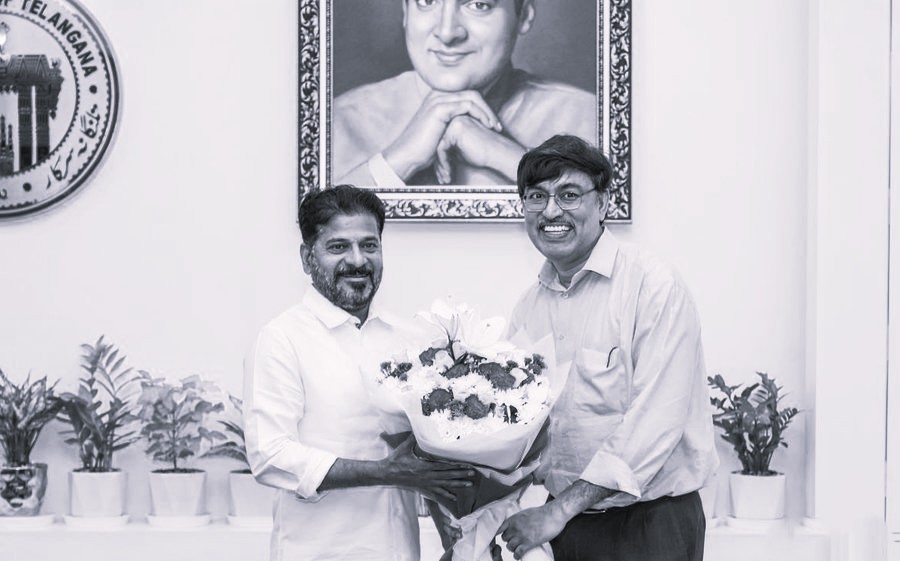
Congratulating the institute, Telangana Chief Minister A. Revanth Reddy described the feat as a landmark in the state's healthcare journey. He said making world-class robotic surgery accessible to ordinary citizens, particularly those from economically weaker sections, reflects the government's commitment to strengthening public health infrastructure and ensuring equitable access to modern medical care.
The Chief Minister noted that robot-assisted surgery has transformed the treatment of complex medical conditions by enhancing surgical precision while reducing blood loss, post-operative pain, and the risk of complications. Patients also benefit from smaller incisions, shorter hospital stays, and faster recovery, making robotic surgery an increasingly preferred option across multiple specialties.
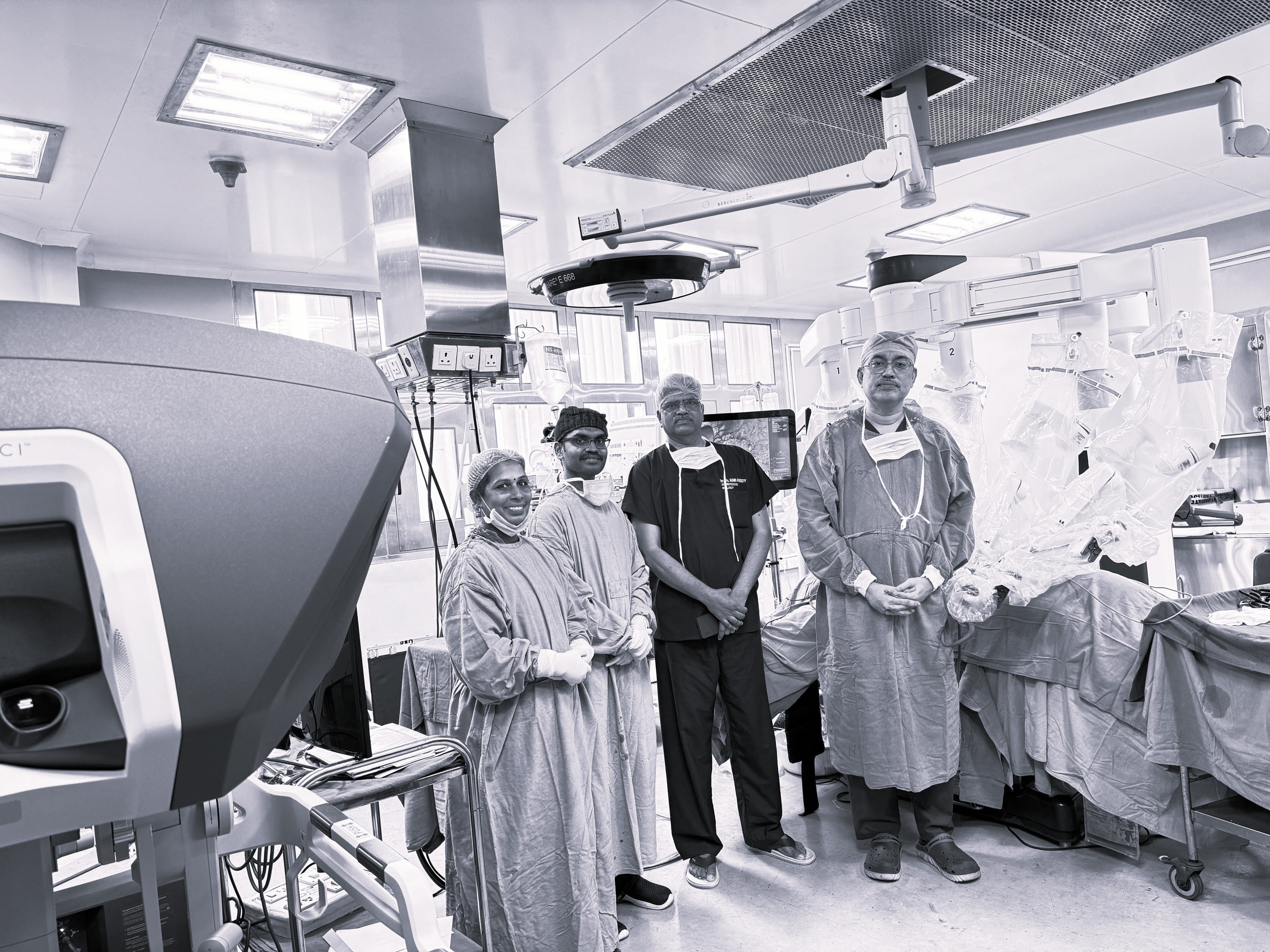
Praising the institute's contribution, Revanth Reddy said NIMS has emerged as a model for government-run hospitals across India by combining technological innovation with affordable healthcare. He lauded NIMS Director Dr. Rahul Devraj, Senior Professor of Urology and Renal Transplantation and Coordinator of Robotic Surgery, along with teams from the Departments of Urology, Surgical Gastroenterology, Surgical Oncology, Anaesthesiology, Nursing Services, Operation Theatre, and other support staff for their collective effort in achieving the milestone.
Of the 1,000 robotic procedures, the Department of Urology performed 590 surgeries, followed by Surgical Gastroenterology with 248 and Surgical Oncology with 162. The institute has successfully carried out a wide range of intricate procedures involving urological disorders, gastrointestinal diseases, liver and pancreatic conditions, colorectal surgeries, gynaecological cases, and various cancer treatments.
A defining feature of the programme has been its affordability. More than 90% of the robotic surgeries were performed free of cost under government welfare schemes such as Aarogyasri and the Chief Minister's Relief Fund (CMRF), ensuring that advanced surgical care reaches patients who might otherwise be unable to afford it in private hospitals.
The achievement also reflects the rapid growth of robotic surgery in India's public healthcare sector. With robotic platforms offering surgeons three-dimensional high-definition vision, greater dexterity, and enhanced precision, government hospitals are increasingly adopting the technology to improve clinical outcomes. By reaching the 1,000-surgery milestone in under three years while providing most procedures free of charge, NIMS has strengthened its position as one of the country's leading public institutions in advanced robotic surgical care.