
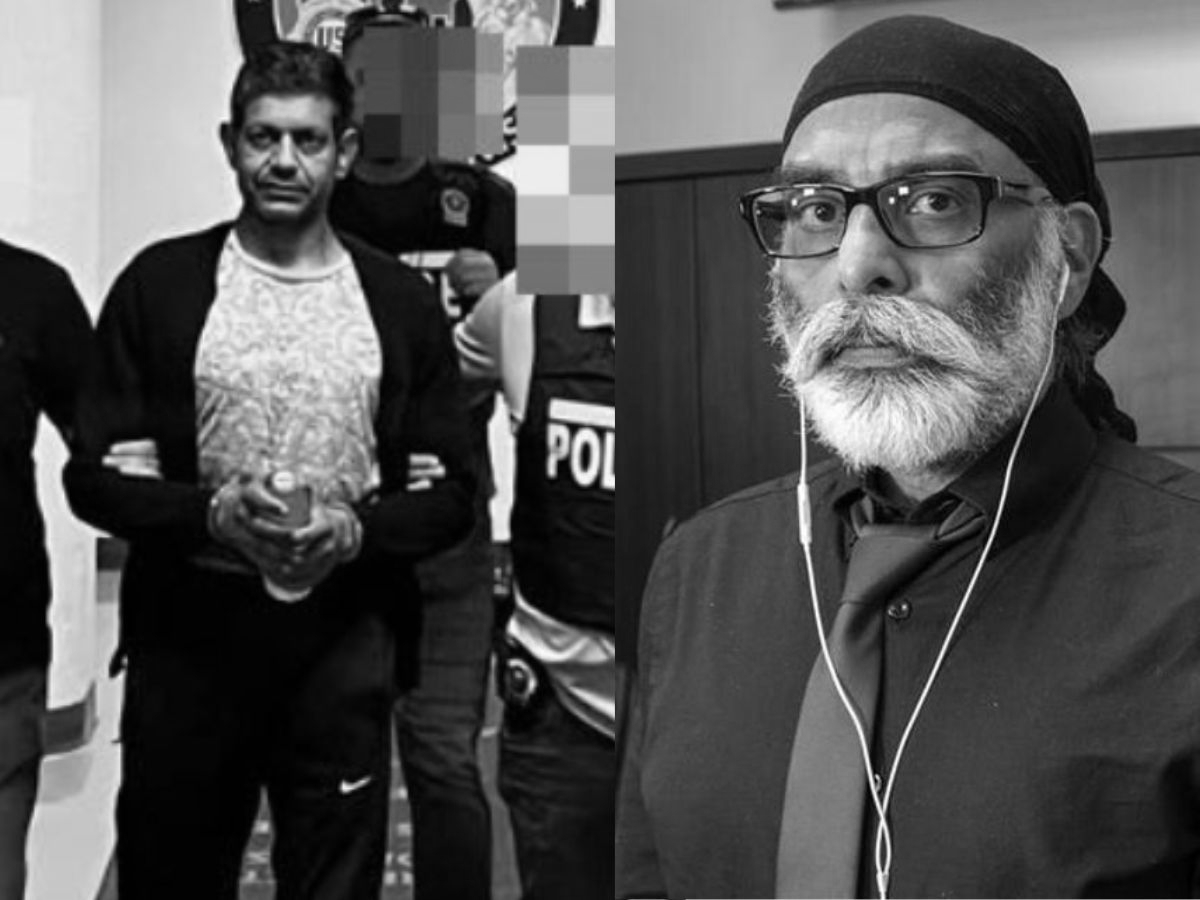
Nikhil Gupta Pleads Guilty in U.S. Murder Plot Targeting Khalistani Activist
The guilty plea by Indian national Nikhil Gupta in a U.S. federal court has revived international attention to a case that first sparked diplomatic unease in 2023. Gupta admitted his role in a murder-for-hire conspiracy targeting Khalistani separatist Gurpatwant Singh Pannun in New York , marking a major development in an investigation that has unfolded across multiple countries and carries sensitive geopolitical implications.
Gupta was arrested in the Czech Republic in 2023 at the request of U.S. authorities and extradited to the United States in June 2024. He initially pleaded not guilty during his first appearance in Manhattan federal court but changed his plea before Magistrate Judge Sarah Netburn , who recommended that District Judge Victor Marrero accept it. Further proceedings are scheduled, with a control date set for March 15 .
According to U.S. prosecutors, Gupta participated in a plot to assassinate Pannun, a dual U.S.–Canadian citizen and prominent pro-Khalistan activist . Investigators allege he coordinated logistics and facilitated payments, including an advance to a supposed hitman who was, in fact, an undercover agent . Court filings previously indicated Gupta acted at the direction of an individual described as an Indian government employee, though that person has not been formally identified in the indictment. A separate accused co-conspirator has been charged but remains at large.
When the allegations surfaced two years ago, they strained India–U.S. diplomatic ties , with Washington expressing concern over the possibility of foreign-directed operations on American soil. New Delhi denied any state involvement, distanced itself from the plot, and announced an internal inquiry , stating that any rogue actions would not reflect official policy. U.S. officials have also indicated there is no evidence implicating India’s top political leadership.
The case unfolded against a backdrop of heightened tensions surrounding Sikh separatist activism abroad and followed the 2023 killing of Khalistani figure Hardeep Singh Nijjar in Canada, an incident Ottawa linked to Indian operatives, a claim India strongly rejected. Western investigators have increasingly used the term “transnational repression” when referring to alleged attempts to target dissidents overseas, placing the Gupta case within a broader global security conversation.
Legal experts note that Gupta’s guilty plea could carry significant consequences. He faces a potential sentence of several decades in prison , and details emerging during sentencing or through cooperation with prosecutors could shed further light on the scope of the conspiracy. So far, no additional names have been disclosed in open court beyond those already charged.
Politically, the case remains sensitive but contained. While it has the potential to cause diplomatic discomfort, no specific Indian officials have been publicly implicated in court proceedings. The long-term impact will likely depend on whether future disclosures reveal new evidence or broaden the scope of accountability.
As proceedings continue, the case is being closely watched for its legal outcome as well as its implications for international law enforcement cooperation , sovereignty concerns , and the management of diaspora-linked political activism in an increasingly interconnected world.