
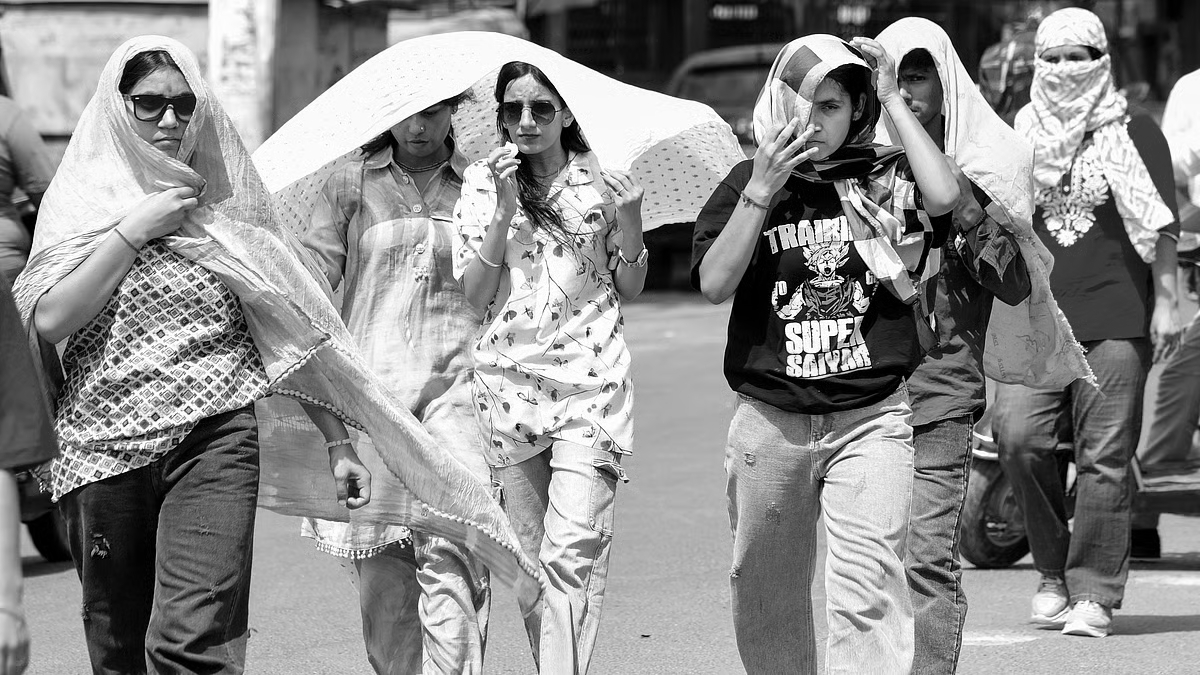
NHRC Urges States To Act Early On Heatwaves As Vulnerable Face Rising Risk
The National Human Rights Commission (NHRC) has urged 21 states and the national capital to take proactive measures to mitigate the impact of heat waves, warning that delays in response could put vulnerable populations at serious risk. In a recent communication to state authorities, the Commission stressed that preparations must begin well in advance, as heat waves across India are becoming more frequent, prolonged and intense.
Highlighting the disproportionate impact on marginalised communities, the NHRC noted that daily wage workers, the homeless, the elderly and children face the highest risks due to limited access to shelter, drinking water and healthcare. The Commission emphasised that extreme heat is not merely a seasonal discomfort but a growing public health and human rights concern .
Citing data from the National Crime Records Bureau (NCRB), the NHRC pointed out that 3,712 deaths due to heatstroke and sunstroke were recorded between 2019 and 2023, underlining the urgency for preventive action. It has directed states to follow existing guidelines issued by the National Disaster Management Authority (NDMA), including ensuring adequate drinking water supply in public areas, establishing cooling shelters, strengthening healthcare preparedness, regulating outdoor work hours and intensifying public awareness campaigns.
As part of these proactive measures, the Commission has called for early activation of heat action plans, coordinated efforts between departments, and timely public alerts through media and local networks. It has emphasised the need to provide free drinking water, shaded rest areas and cooling centres, particularly in high-risk urban zones. Special safeguards have been recommended for outdoor workers, including rescheduling work to cooler hours, mandating rest breaks and ensuring access to water and first aid at worksites. Healthcare systems have been advised to prepare dedicated heatstroke wards, stock essential medicines and train personnel for rapid response. The NHRC has also stressed targeted outreach for vulnerable groups such as the elderly, children and economically weaker sections, along with measures to reduce urban heat exposure and prevent fire hazards.
The Commission has also called for special focus on at-risk groups such as construction workers, farmers and urban poor households lacking cooling facilities. Additionally, it has sought consolidated district-level action taken reports from all states to ensure accountability and effective implementation of relief measures.
Meanwhile, early reports of heat-related fatalities have begun to emerge this summer. In Odisha, two school teachers reportedly died of suspected heatstroke while on census duty, while Kerala has recorded at least one confirmed heatstroke death amid rising temperatures. Although these incidents are currently isolated, experts caution that fatalities typically rise during the peak summer months of May and June.
With several regions already experiencing severe heat conditions and forecasts indicating a potentially harsh summer, authorities across states are stepping up preparedness to prevent a surge in heat-related illnesses and deaths in the coming weeks.