
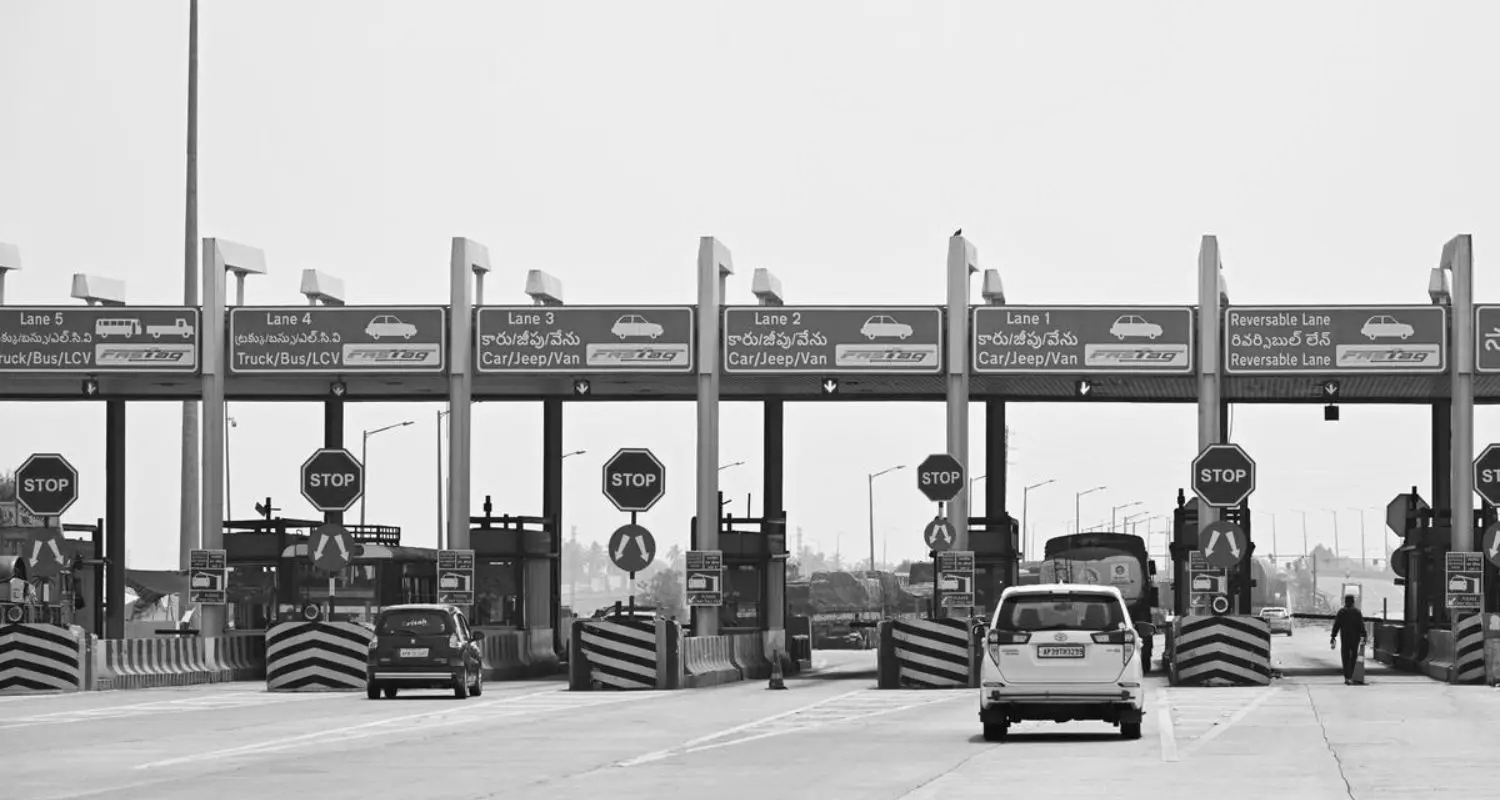
NHAI Plans Cashless Tolling Nationwide from April 1, 2026
India is preparing for a major transformation in highway travel as the National Highways Authority of India (NHAI) considers eliminating cash payments at toll plazas nationwide from April 1, 2026 . If implemented, toll fees across National Highways and expressways will be collected exclusively through digital modes such as FASTag and Unified Payments Interface (UPI) . The proposal aims to create a fully digital tolling ecosystem, building on the success of electronic toll collection and aligning with India’s broader push toward digital infrastructure and smart mobility.
The shift comes after the widespread adoption of FASTag , an RFID-enabled sticker affixed to vehicles that allows toll fees to be deducted automatically from linked bank accounts or wallets. FASTag penetration has crossed 98 percent , fundamentally transforming toll operations by enabling contactless payments and seamless vehicle movement. With most transactions already processed electronically, NHAI believes the time is right to eliminate cash lanes altogether and standardize toll payments nationwide.
In addition to FASTag, UPI payment facilities have been operationalized at toll plazas to provide instant and accessible payment options. Current rules discourage cash usage: vehicles entering toll plazas without a functional FASTag are charged double toll if paying in cash, while users paying via UPI are charged 1.25 times the applicable fee. These measures have already reduced reliance on cash and encouraged digital adoption.
The reform is expected to improve traffic management and overall user experience across more than 1,150 toll plazas on India’s highways and expressways. Faster toll processing will reduce travel time, cut fuel consumption from idling vehicles, and support smoother logistics movement critical for economic efficiency.
However, challenges remain. Digital-only tolling may pose difficulties for rural users unfamiliar with digital payments, and connectivity issues in remote areas could affect transaction reliability. FASTag malfunction, insufficient balance, or improper tag placement may also cause delays. To ensure smooth implementation, awareness campaigns, grievance support systems, and robust digital infrastructure will be essential.