
New Zealand PM Luxon Hopes To Retain Power As Centrist Opportunity Party Emerges As Kingmaker
New Zealand Prime Minister Christopher Luxon has expressed confidence that his centre-right coalition can return to power despite a closely fought general election that has produced no clear winner. With the ruling National Party and opposition Labour Party receiving nearly equal shares of the vote, smaller parties could determine who forms the next government.
Luxon's National Party secured the largest number of seats in the preliminary count, maintaining a narrow lead over Labour. Both parties received around 29 per cent of the popular vote, with only a few thousand votes separating them.
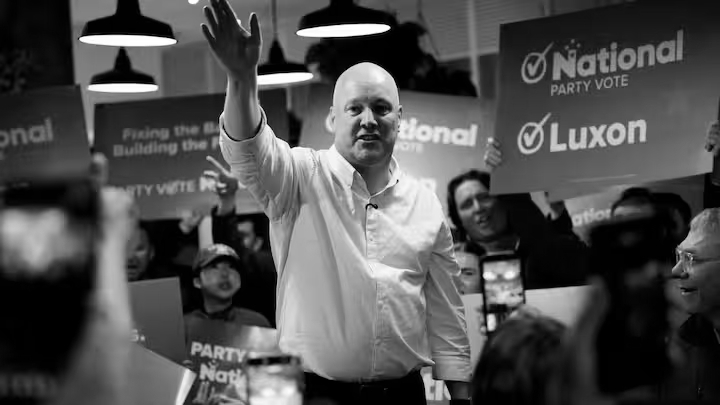
Speaking to supporters in Auckland, Luxon said his party had a path to forming the next government but acknowledged that the result remained too close to call. He confirmed that he would continue leading a caretaker government until the final results are announced.
The remaining ballots, including overseas votes, are expected to be counted by November 27.
National's chances of retaining power depend largely on its existing coalition partners, New Zealand First and ACT. Together, the three parties could secure a narrow parliamentary majority, although the final seat count will determine whether they have enough support.
Meanwhile, the Opportunity Party, led by Qiulae Wong, has emerged as a potential kingmaker. The centrist party crossed the five per cent vote threshold required to enter Parliament through the party-list system. Wong has indicated that her party is open to working with whichever side secures the largest number of seats, while promising a more cooperative approach to politics.
Under New Zealand's mixed-member proportional representation system, voters cast separate ballots for a political party and a local constituency candidate, making post-election alliances crucial to government formation.
Labour leader Chris Hipkins also acknowledged that the next Parliament could depend on cooperation and compromise between parties.
The election was dominated by cost-of-living pressures, rising prices, unemployment and economic uncertainty. New Zealand's unemployment rate is at its highest level in more than a decade, while the economic impact of the West Asia conflict and global fuel shock has added to household expenses.
Luxon campaigned on promises including no new taxes. However, the National Party's performance has also affected its senior leadership. Deputy leader and Finance Minister Nicola Willis is set to leave Parliament, while Housing, Infrastructure and Transport Minister Chris Bishop appeared likely to lose his Hutt South constituency seat.