
New Delhi Quad Summit: India, US, Japan and Australia Unveil Fiji Port Project and Critical Minerals Drive to Counter China
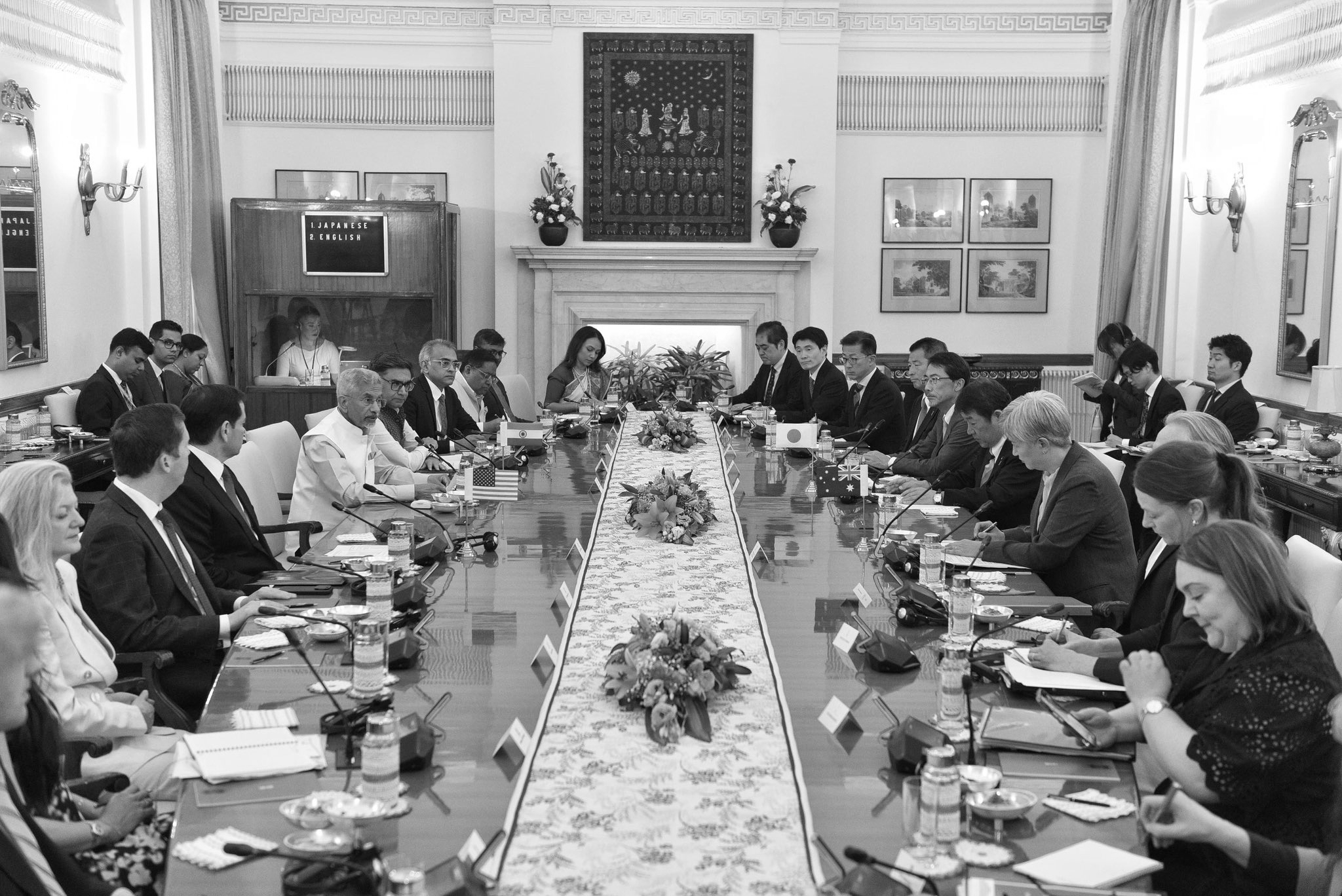
The Quad is no longer content with issuing carefully worded joint statements and calling it a day. At a high-stakes meeting in New Delhi, India, the United States, Japan and Australia announced a sweeping set of new initiatives spanning port development, maritime surveillance, energy security and critical minerals, signalling in unambiguous terms that this four-nation grouping has graduated from a diplomatic forum into a genuine instrument of strategic architecture across the Indo-Pacific.
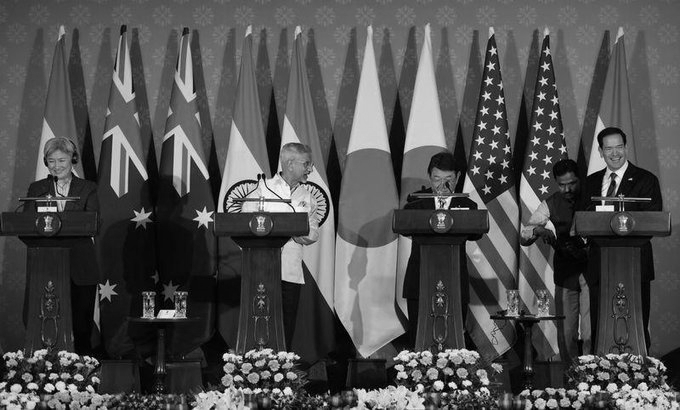
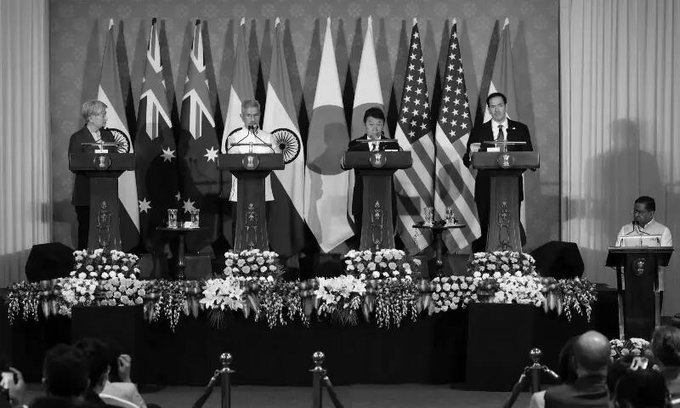
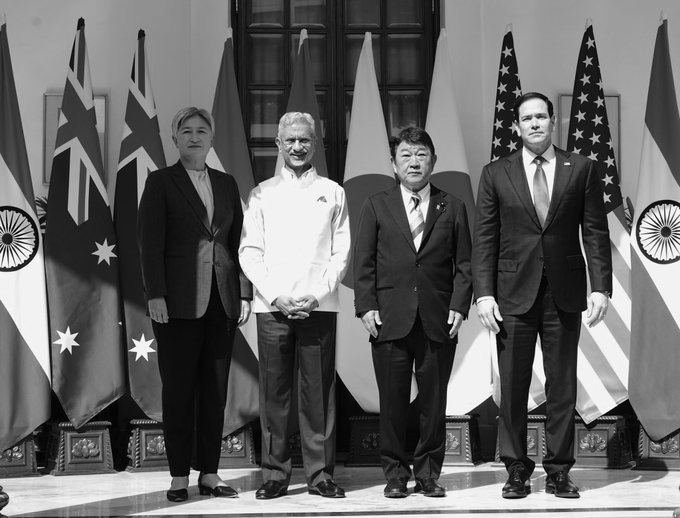
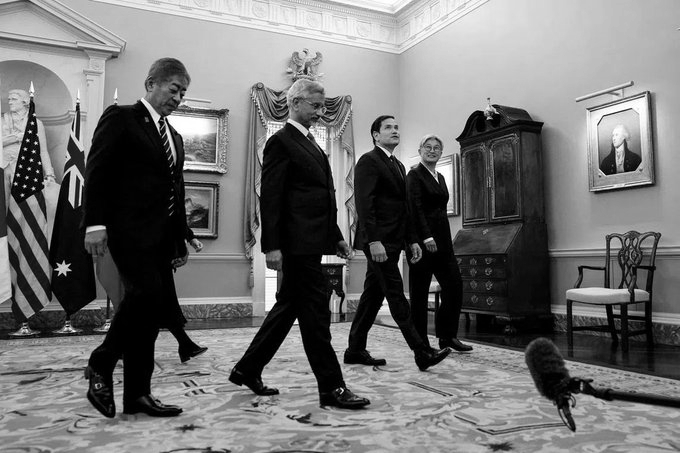
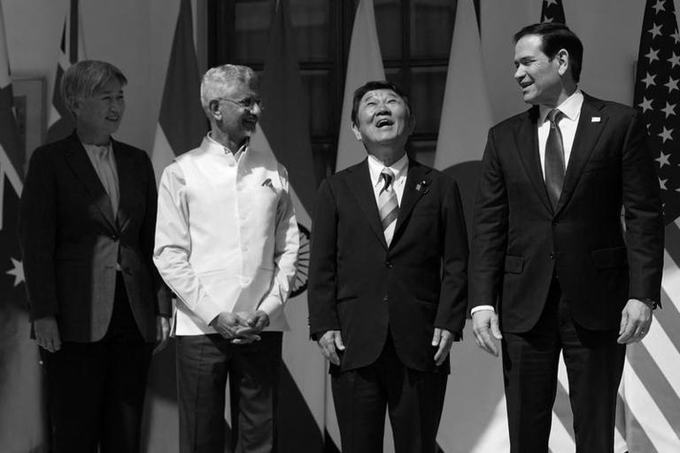
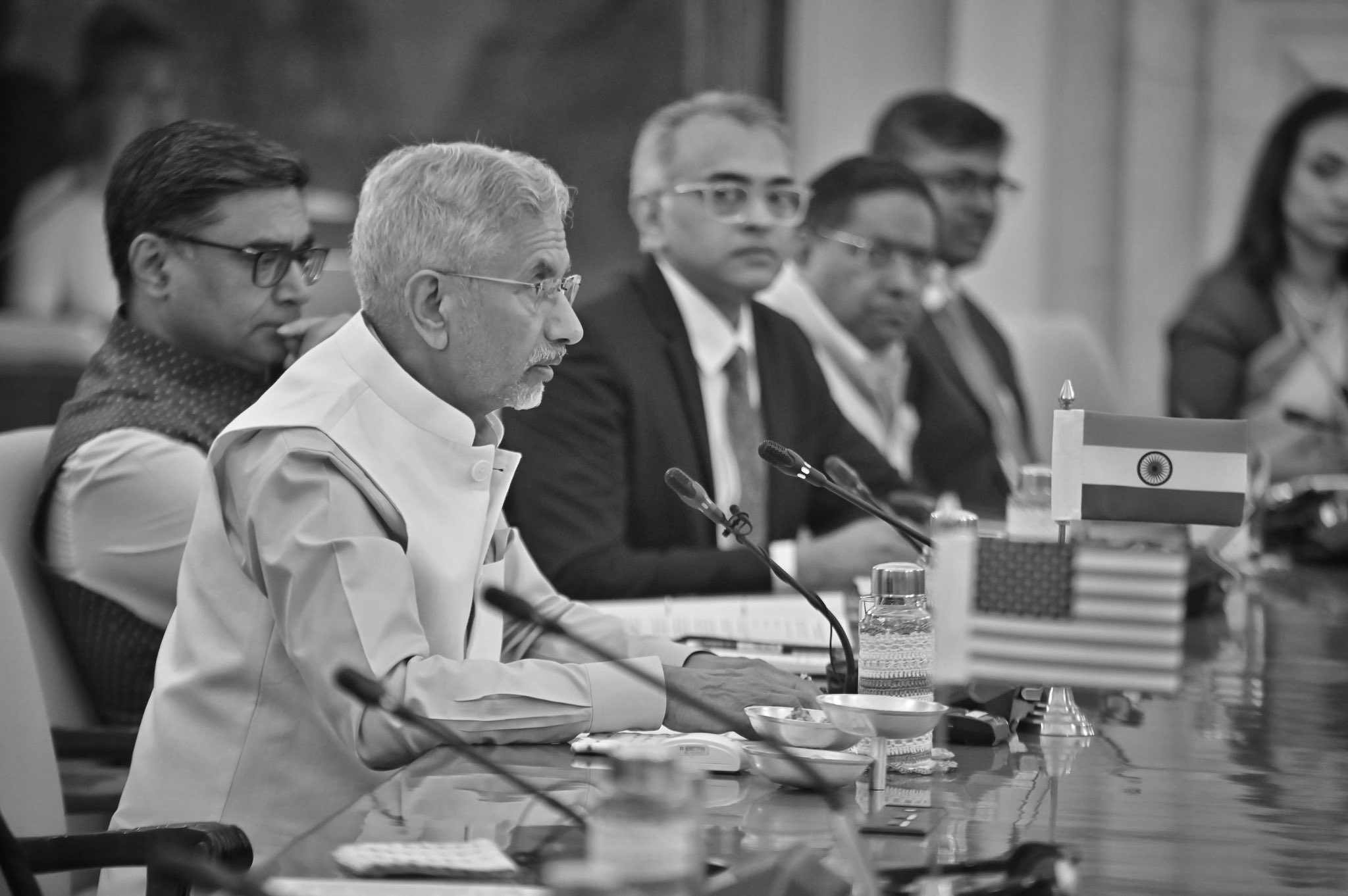
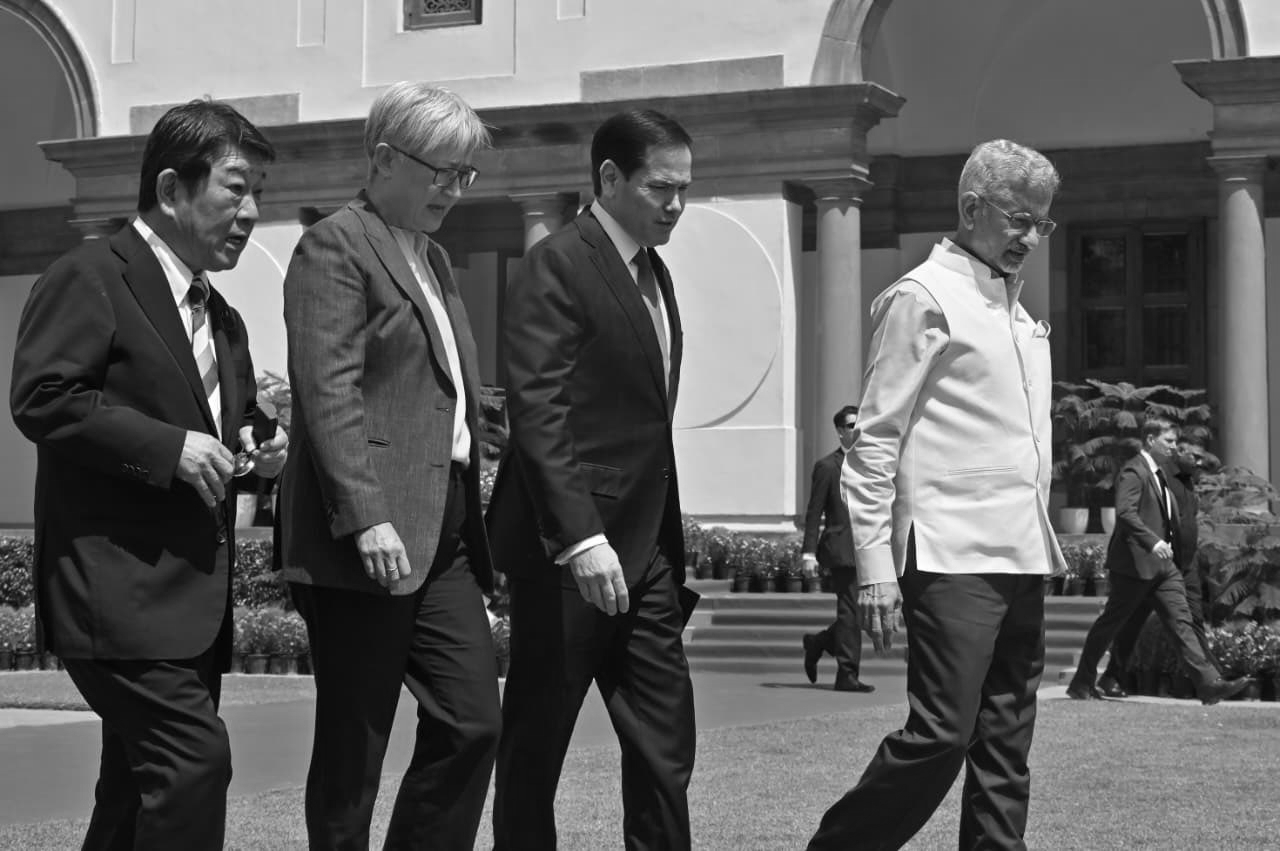
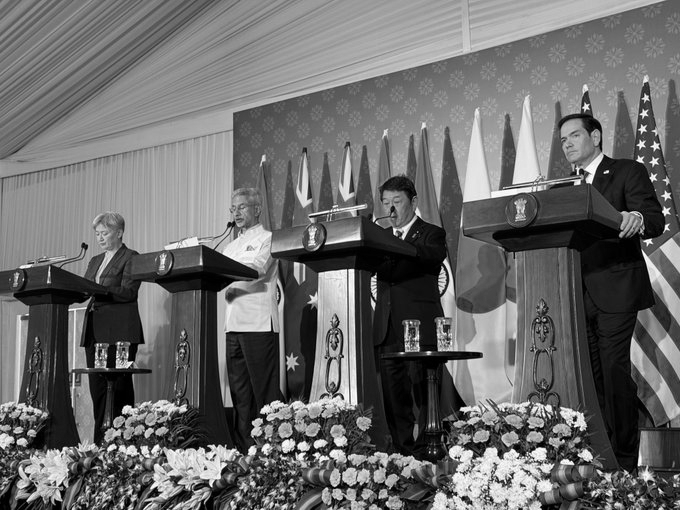
The meeting brought together US Secretary of State Marco Rubio , India's External Affairs Minister S. Jaishankar , Australia's Penny Wong and Japan's Toshimitsu Motegi . The setting itself carried weight. New Delhi, not Washington or Canberra, was the host, and that choice was not incidental. India has quietly but unmistakably emerged as the central strategic anchor of the Quad , particularly at a moment when questions about American reliability in the region are louder than they have been in years.
Marco Rubio announced two major maritime initiatives at the summit. The first will integrate the surveillance capabilities of all four nations into a unified operational framework. The second will deliver real-time shipping intelligence to commercial vessels navigating Indo-Pacific waters. Together, these initiatives represent a serious attempt to establish collective dominance over one of the world's most consequential maritime corridors, a space that China has been methodically working to shape on its own terms.
Perhaps the most striking announcement was the first-ever Quad joint port development project , located in Fiji. The choice of Fiji is layered with strategic intent. China has spent years cultivating influence across the South Pacific through loans, infrastructure investment and diplomatic outreach, and Fiji sits squarely within that zone of contestation. Nearly ninety percent of Fiji's trade flows through just two ports, Suva and Lautoka , both of which are operating well below the capacity that the island nation's economy requires. Upgrading this infrastructure does not merely benefit Fiji. It transforms the country into a regional connectivity hub and offers the broader South Pacific an alternative to Chinese-financed development, one that comes without the accompanying debt obligations and political strings.
This is the evolution the Quad has been working towards. It is no longer simply cataloguing the threats that China poses. It is now building a rival model of regional development , one premised on infrastructure without debt traps and partnerships without political dependence. That distinction matters enormously to smaller nations across the Indo-Pacific that have watched China's model of engagement up close and are increasingly wary of its long-term costs.
The New Delhi talks also produced a new Indo-Pacific energy security initiative alongside a critical minerals framework . These may sound like technical bureaucratic deliverables, but they address something fundamental: who controls the raw materials that underpin the modern global economy . Lithium, cobalt, nickel and rare earths are not merely commodities. They are the essential ingredients of electric vehicles, semiconductors, missile systems and clean energy technology . China currently dominates not just the mining of these materials but their processing, refining and export as well. In April, Beijing demonstrated exactly how it views that dominance when it imposed rare earth export restrictions, offering the world a sharp reminder of just how exposed global supply chains remain to Chinese political decisions.
The Quad's critical minerals framework is a direct response to that vulnerability. The goal is to construct an alternative supply chain architecture , one in which India, the United States, Japan and Australia collectively reduce their exposure to Chinese leverage and protect their economies from the kind of supply shocks that Beijing has already shown it is willing to engineer.
China, predictably, has objected. Beijing issued a statement insisting that regional cooperation should promote peace and stability and must not target any third country, repeating its familiar characterisation of the Quad as a cold war era grouping designed to contain China's rise. The argument is well rehearsed but increasingly difficult to sustain. The Quad exists in its current form precisely because China's own behaviour in the region has made it necessary. From the militarisation of the South China Sea to sustained border pressure on India to aggressive port diplomacy across the Pacific, Beijing's actions have done more to consolidate the Quad than any American strategic document ever could.
The timing of the New Delhi summit added another dimension entirely. It came just days after Donald Trump's notably warm visit to Beijing, during which he spoke approvingly of a possible US-China G2 framework for managing global affairs. That remark unsettled governments across Asia, many of which live with the daily reality of Chinese expansionism and had been watching Washington's signals with considerable anxiety. The Quad meeting, in that context, felt less like a routine diplomatic gathering and more like a deliberate course correction , a statement that the Indo-Pacific will not be carved up between Washington and Beijing while everyone else watches.
The message from New Delhi was plain and pointed. The rules of the Indo-Pacific, the control over its ports, its trade routes, its supply chains and its strategic chokepoints, will not be determined by a single power acting alone. The Quad has arrived, it has infrastructure to build, and it has every intention of staying.