
Nepal’s youth-led Gen Z bloc plans party formation
Nepal’s Gen Z group on Saturday announced that it will establish a political party but said its participation in next year’s general elections will depend on the fulfilment of certain “bottom-line” conditions. Elections in the Himalayan nation are scheduled to take place on March 5, 2026.
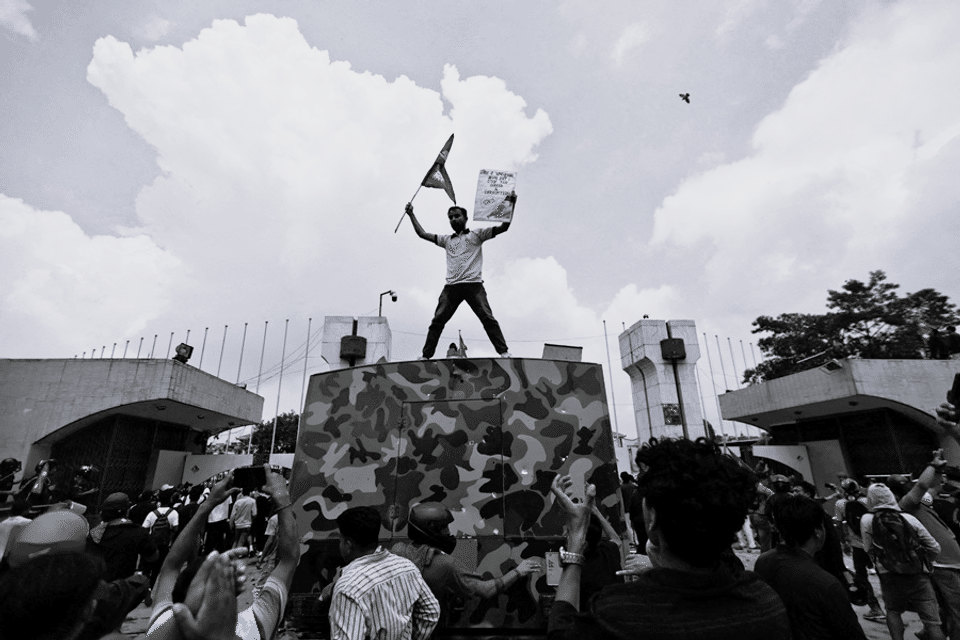
The youth-led group, which organised protests against corruption and the government’s ban on social media sites last month, played a key role in the ouster of the K. P. Sharma Oli-led government. Led by Miraj Dhungana, one of the leaders of the recent Gen Z movement, the group unveiled its agenda at a press conference in Kathmandu.
Dhungana said that while they are considering forming a political party to unite Gen Z youths, they will not contest the elections until their “bottom-line” demands are addressed. The group has been primarily advocating for two major reforms: a directly elected executive system and voting rights for Nepali citizens residing abroad. According to Dhungana, the formation of a political party has become essential to bring together youths associated with the Gen Z movement.
While outlining their agenda, Dhungana highlighted the need to establish a citizen-led investigation committee to curb corruption and to adopt a clear policy for economic transformation. “We will continue to fight for issues such as good governance, transparency, and anti-corruption measures. We will not let the sacrifices of Gen Z youths go in vain,” he said, calling for collective commitment and cooperation from all sectors in the nation-building process.
He added that the group is currently seeking suggestions for an “appropriate” name for the new party. Dhungana noted that Nepal’s economic development has stagnated due to the increasing exodus of Nepali youths going abroad for employment and said that past governments must be held responsible for addressing such pressing issues.
On economic policy, he emphasised the importance of boosting domestic production. “We are surrounded by two highly populated neighbouring countries with a combined population of nearly three billion. We must focus on increasing our production to target these neighbouring markets,” he said. He also urged the interim government to reopen closed industries, create new jobs, and promote the tourism sector.
Fresh elections to the House of Representatives have been scheduled for March 5 next year. The election date was announced by President Ramchandra Paudel while forming an interim government led by former Chief Justice Sushila Karki on September 12.