
Nepal SC Halts Student Union Ban Amid Growing Protests Against PM Balendra Shah
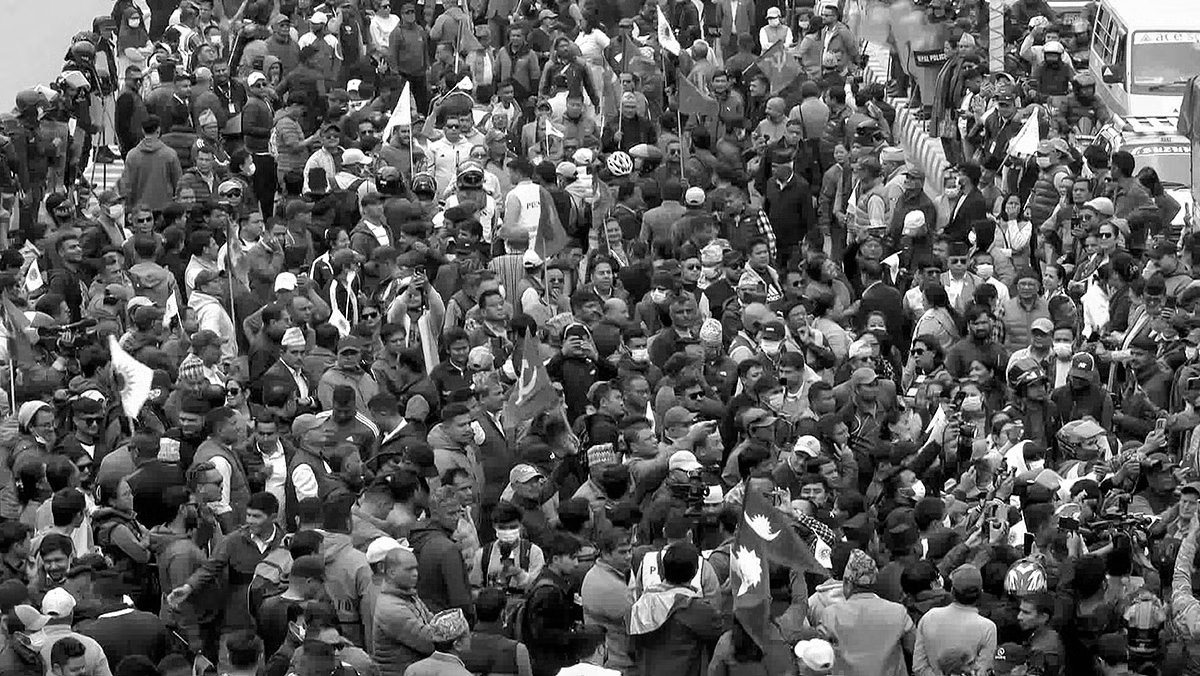
Hundreds of students marched through Kathmandu on Friday in protest against the Nepal government’s decision to ban student unions in universities, as the controversy surrounding Prime Minister Balendra Shah and his reform agenda deepened with legal and political challenges.
The demonstration, organised on the occasion of the 62nd Students Day, began at Tri-Chandra Campus and ended at RR Campus , with students chanting slogans against what they described as an attack on democratic freedoms. Protesters demanded the protection of university autonomy , preservation of freedom of association , and guarantees for students’ rights .
The protests erupted after the Shah government unveiled a controversial 100-point governance reform plan that bars political party-affiliated student unions and trade unions from operating in universities and state institutions. The administration argued that campuses should remain free from political influence and focus solely on academics.
However, the move triggered widespread criticism from opposition parties, academics, student organisations, and civil society groups, who warned that dismantling student unions could weaken democratic participation in Nepal. Student leaders said unions had historically played a key role in democratic movements, including anti-monarchy protests and political reform campaigns.
Adding to pressure on the government, Nepal’s Supreme Court issued an interim stay order preventing authorities from implementing the decision to dissolve student unions. Justice Shrikant Paudel directed the government not to enforce the controversial measure until further hearings are completed.
Reports also said the government had considered deploying security personnel inside campuses to remove union offices, banners, and political activities within 60 days, further intensifying student anger. Protesters responded with slogans such as “Send teachers, not police to universities.”
The issue has become one of the biggest political tests for Shah, the 35-year-old former rapper-turned-politician whose party swept Nepal’s 2026 general election on promises of reform and anti-establishment governance. Critics now accuse his administration of relying heavily on ordinances and centralising power, allegations the government denies.