
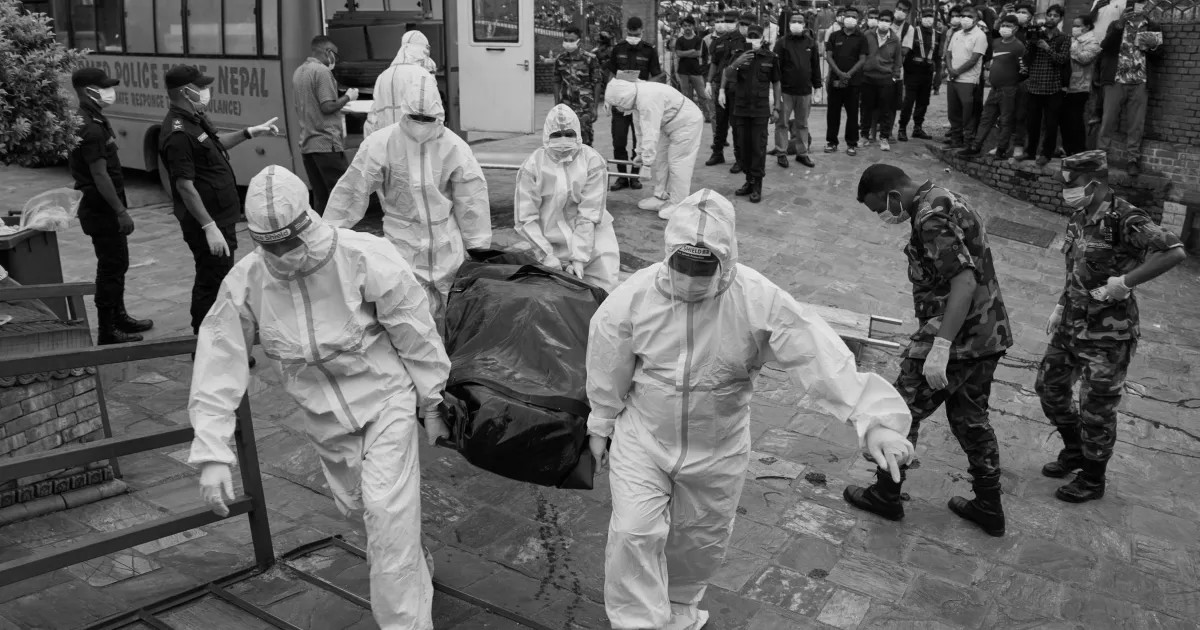
Nepal Floods DNA Testing Becomes Families’ Last Hope to Identify Missing Loved Ones
Nepal authorities are relying on DNA testing to identify hundreds of bodies recovered after the devastating floods of August 26 and help families trace relatives who remain missing.
The flash floods, triggered by an ice-rock avalanche near the Nepal-Tibet border, devastated parts of northern and central Nepal. The Bhotekoshi River carried floodwaters downstream, sweeping away homes, vehicles, roads and bridges and damaging hydropower projects. More than 1,300 people have been killed, while around 5,000 remain missing.
Nepal Police has collected 2,272 DNA samples, including 1,260 from bodies and 1,012 from relatives, as authorities work to establish the identities of victims, The Kathmandu Post reported. Authorities said 1,030 bodies had been buried after DNA samples and other identification procedures were completed. Only 96 bodies have been handed over to families after identification, according to Nepal's National Disaster Risk Reduction and Management Authority.
Identification has proved difficult as many bodies recovered downstream were severely damaged, decomposed or recovered only in parts. Prolonged exposure to water, mud and debris has also made identification through faces, clothing and personal belongings difficult.
Forensic experts and officials said DNA testing is therefore crucial, although it requires samples from remains and biological relatives for comparison. Fingerprints and dental records can also help identify victims, depending on the condition of the remains and availability of matching records.
Nepal Police has opened a DNA sample collection centre in Bidur, Nuwakot, allowing relatives of missing people to provide samples without travelling to Kathmandu. Authorities have also uploaded details of 1,270 unidentified bodies on the Nepal Police website for families to check.
For families searching for missing relatives, DNA identification could help establish the identity of victims and enable them to perform the final rites of their loved ones.