
Nepal Flood Tragedy: 4,216 Remain Missing as Death Toll Hits 1,252
With more than 4,000 people still missing after Nepal’s devastating flash floods, families are beginning to perform symbolic funeral rites for relatives they have not heard from for eight days, even as rescue teams continue searching through mountains of mud, rocks and debris and the official death toll climbs to 1,252.
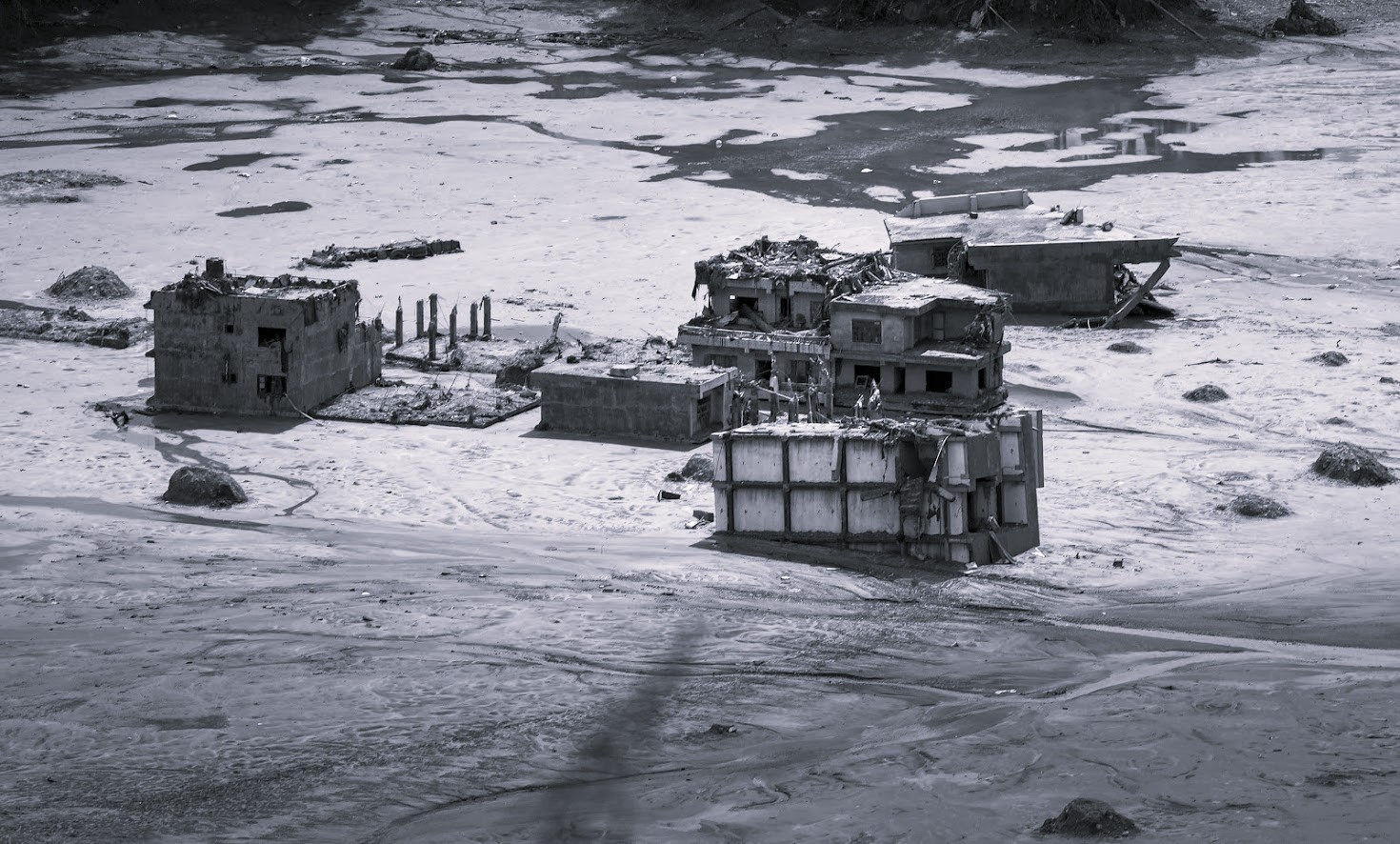
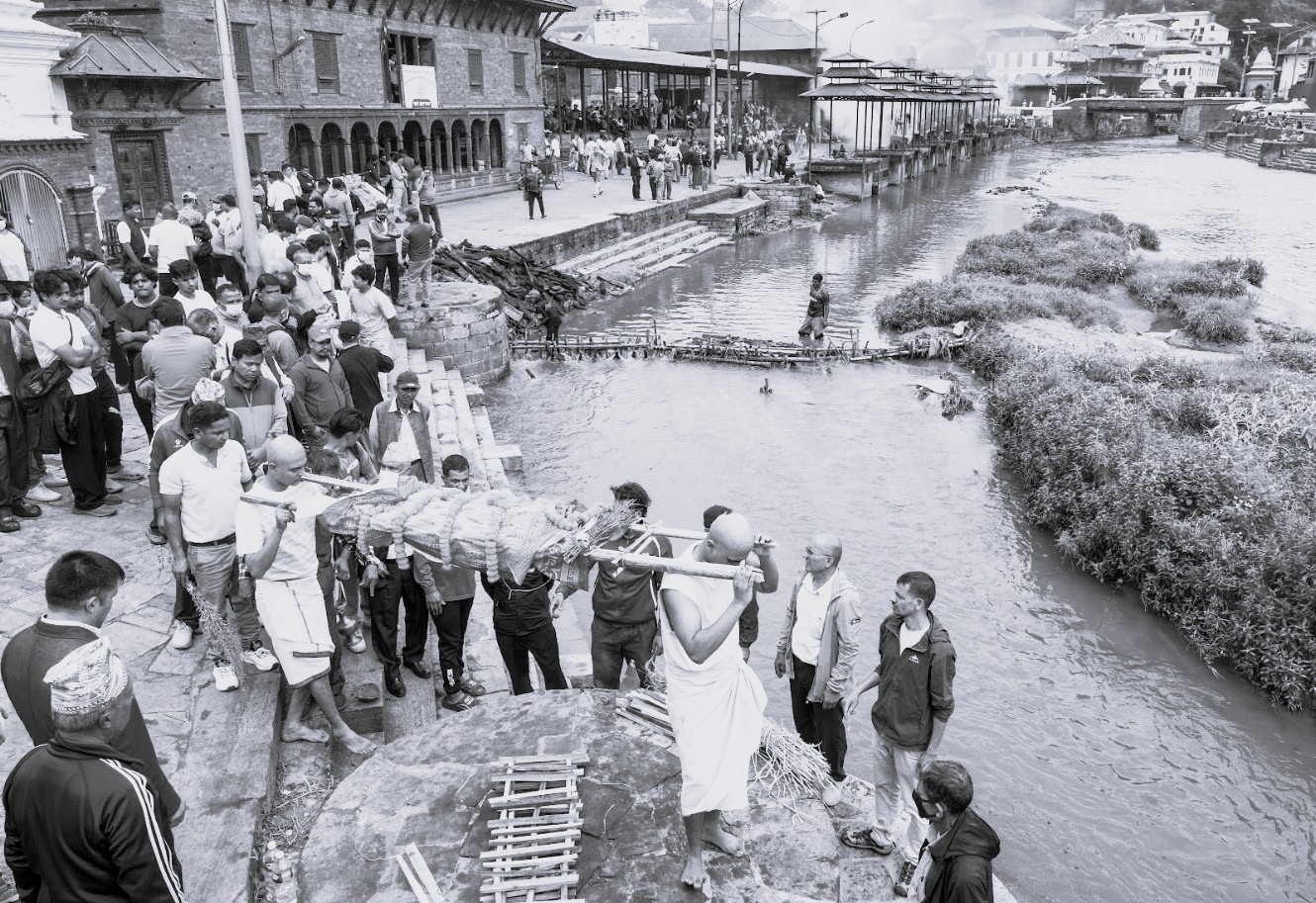
The August 26 disaster, triggered by an ice-rock avalanche near the Nepal-Tibet border, has devastated communities across northern and central Nepal. According to the National Disaster Risk Reduction and Management Authority (NDRRMA), 4,216 people remain missing. In Paharebesi village of Rasuwa district, families are preparing final rites for relatives who remain untraced, while flood-hit communities are using kusha-grass effigies to perform symbolic funerals as hopes of finding survivors diminish.
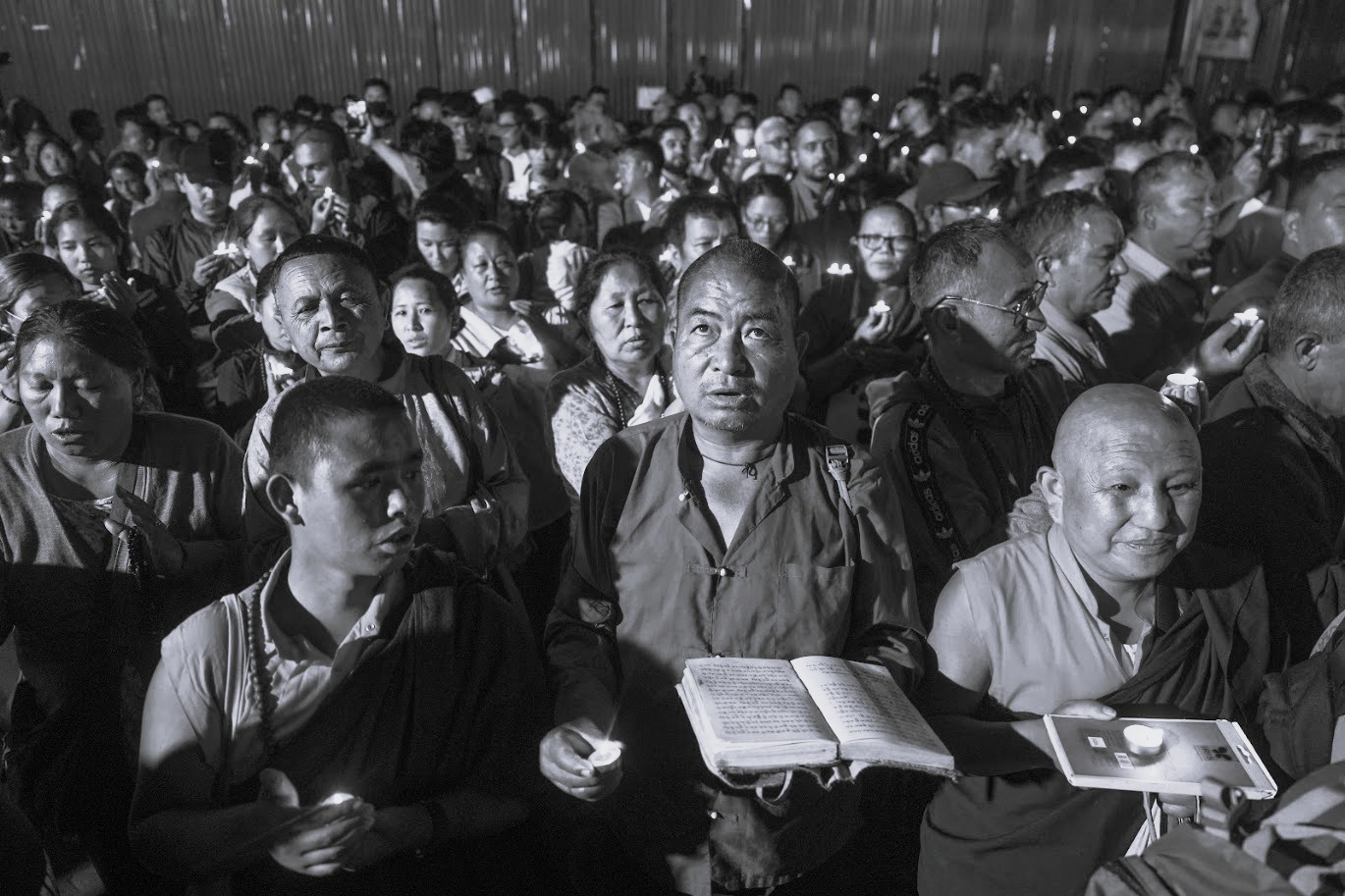
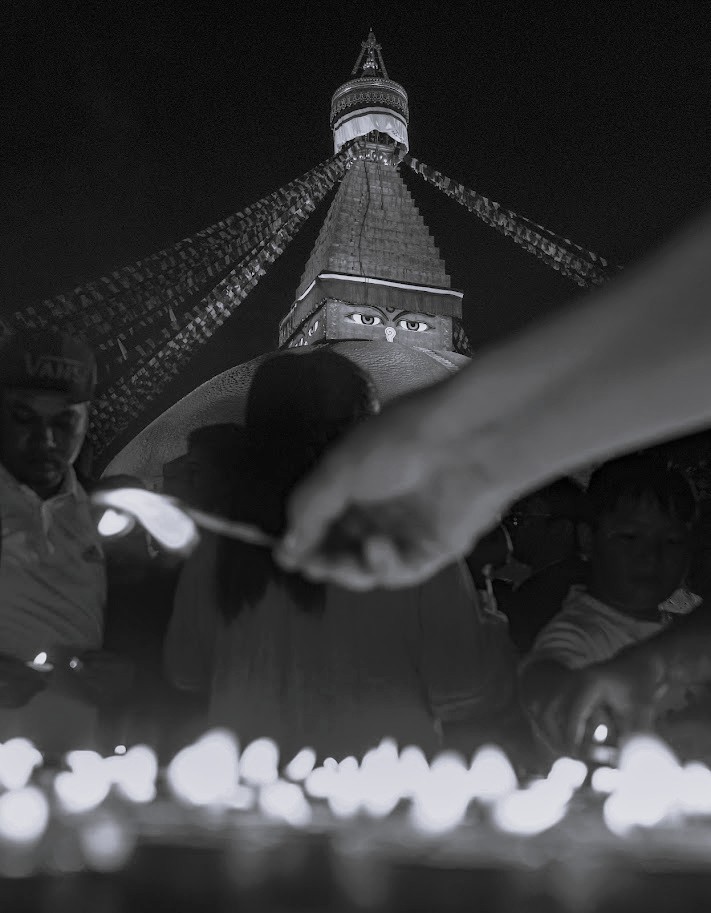
The grief is also being expressed through prayer. Special prayers are being offered today, including at Boudhanath Stupa, as relatives and devotees pray for those who died and for the safe return of those still missing. Buddhist and Hindu communities have held prayers since the disaster, with earlier Buddhist ceremonies involving thousands of butter lamps and prayers for the victims.
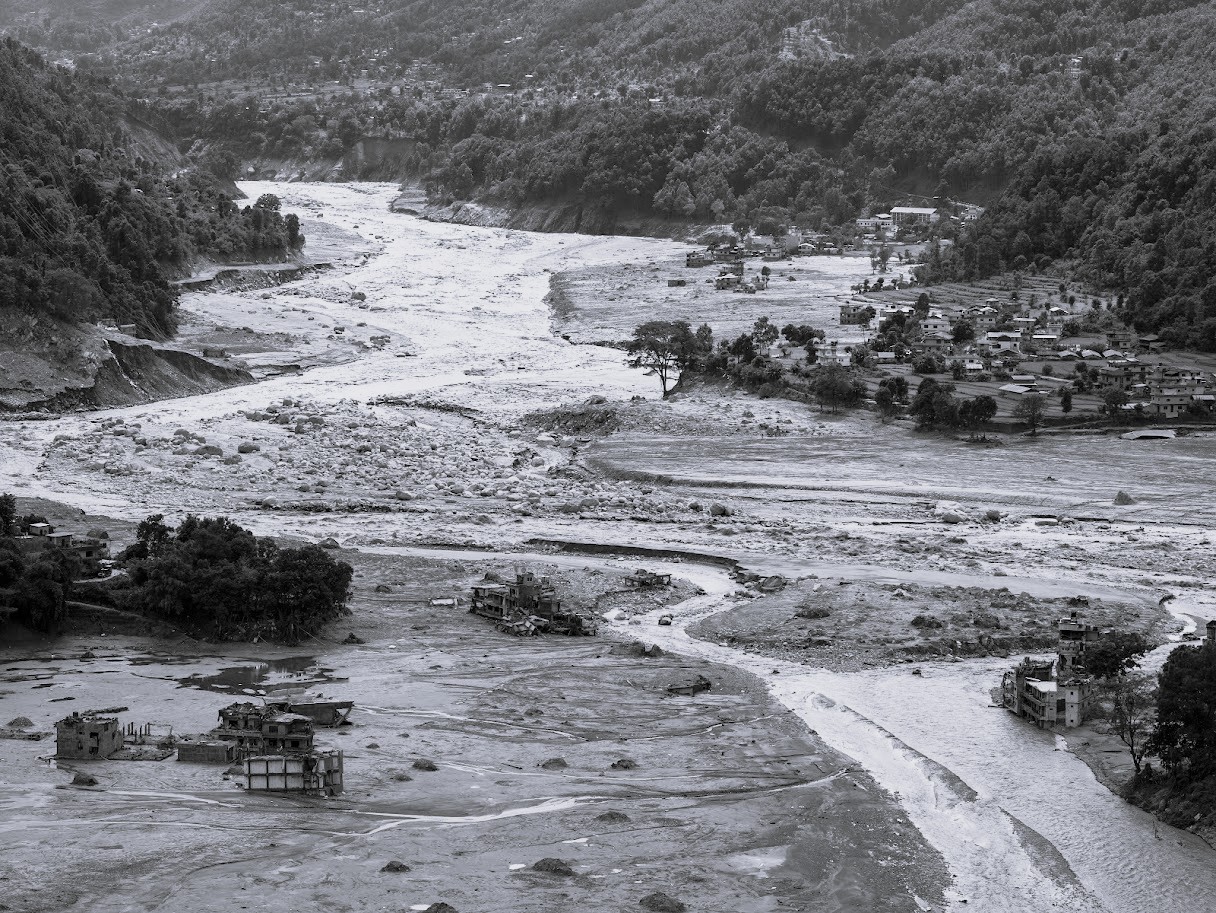
The catastrophe appears to have involved a cascading chain of hazards. Preliminary scientific assessments indicate that a massive ice-and-rock collapse entered the Lhende Khola, temporarily obstructing the river before a sudden release sent water, boulders, mud and debris downstream through the Bhotekoshi and Trishuli systems. The US Geological Survey estimates the initial failure generated energy equivalent to a magnitude 5.2 earthquake, while the resulting debris flow travelled nearly 100 kilometres. Scientists are still examining whether the event should be classified as a glacier collapse or a landslide involving glacial material.
The human toll has spread far downstream. NDRRMA says 355 bodies were recovered in Chitwan, 218 in Nawalparasi East, 208 in Nawalparasi West, 177 in Nuwakot, 127 in Rasuwa, 69 in Gorkha, 60 in Dhading and 38 in Tanahu. Eighteen bodies recovered in India were handed over to Nawalparasi West authorities.
The missing include 45 Nepal Army personnel, 25 Nepal Police personnel, 13 Armed Police Force members, 14 customs officials, three immigration officials, around 865 people from Rasuwa and 1,558 from Nuwakot. The list also includes 583 foreign nationals, 164 Nepalis travelling with tourists and around 900 hydropower workers, along with personnel from Langtang National Park, quarantine offices and local governments.
More than 21,400 security personnel have been deployed for search, rescue and relief operations. International tunnel-rescue teams from India, China and South Korea are assisting the Nepal Army, while drones and specialised equipment are being used to reach blocked hydropower tunnels.
The floods have also destroyed more than 7,000 houses, roads, concrete and suspension bridges, customs facilities and hydropower infrastructure. Around 10,000 households require immediate relief, while three health posts have been completely damaged, one hospital partially damaged and access to two hospitals disrupted. WHO has mobilised US$150,000 and emergency medical supplies to support the response.
Authorities warn that the danger is not over. Continued rainfall in the upper Bhotekoshi basin could raise levels in the Bhotekoshi and Trishuli rivers, while flash-flood risks remain across numerous hill and mountain districts.
The crisis has also crossed into Tibet, where 21 people have died and 541 remain missing in Gyirong County. Around 3,000 Nepali nationals were stranded in Tibet; more than 2,500 have returned, while about 1,500 remain stranded at Kerung.
Foreign Minister Shisir Khanal has called the disaster a “Himalayan Tsunami” and thanked neighbouring countries and the international community for their support. Schoolchildren across Nepal have also donated portions of their pocket and snack money to the Prime Minister’s Relief Fund.
The disaster has renewed concerns over Himalayan climate risks. Chinese climate official Gao Rong said the Tibetan Plateau has lost around 24% of its glacier area over six decades, with about 7,000 small glaciers disappearing completely, warning that declining glacier stability could increase cascading disasters.