
Nepal Flash Floods: 903 Dead, Thousands Missing as Rescue Intensifies
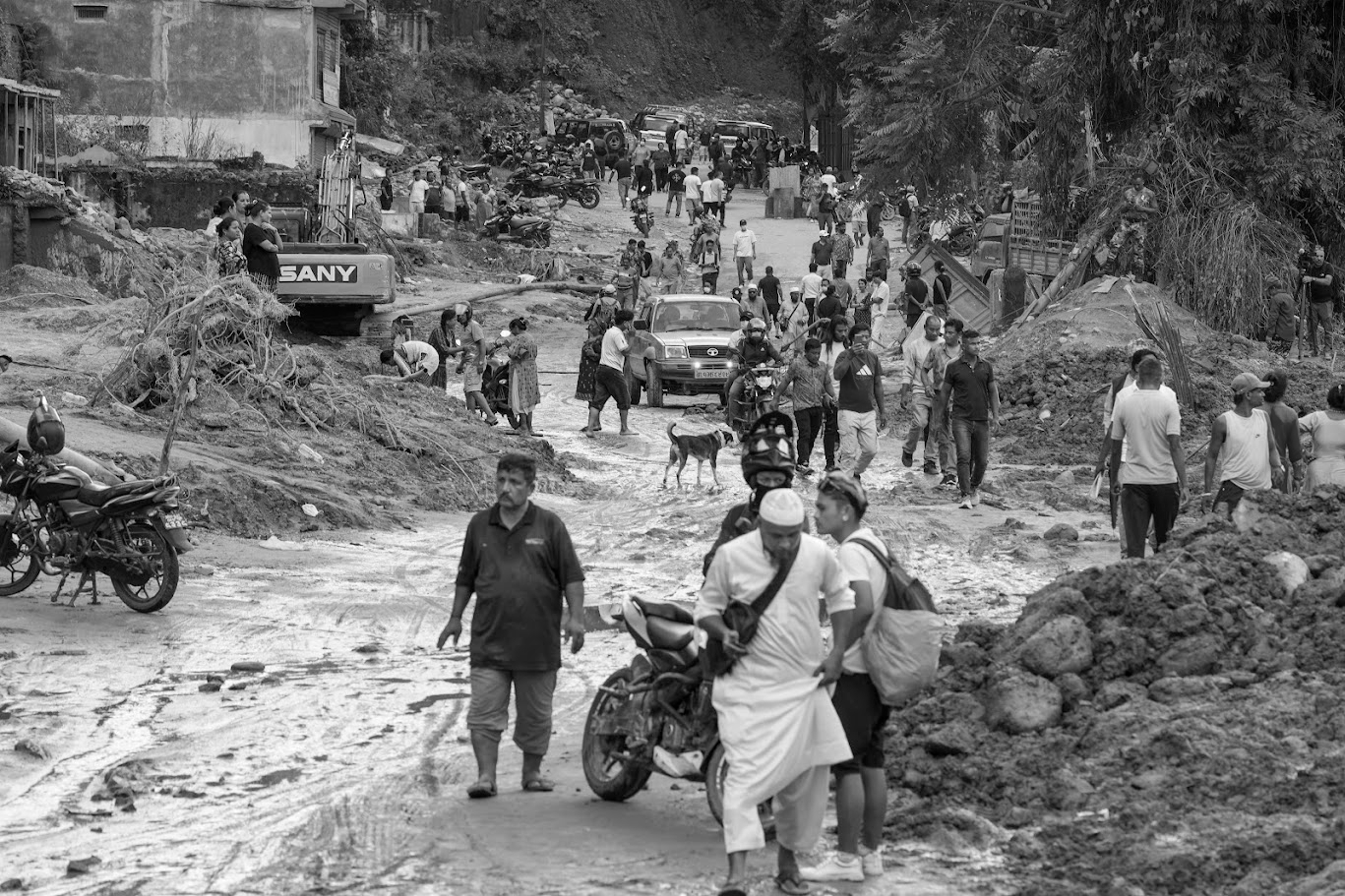
Nepal's devastating flash floods have entered a critical rescue phase, with the death toll climbing to 903 and more than 4,200 people still missing, according to the latest official figures. Rescue agencies continued searching affected areas on Monday as the country grappled with one of its worst recent natural disasters.
The floods struck on August 26 after an ice-and-rock avalanche in the Himalayan region triggered a massive surge of water and debris into river valleys. The sudden deluge swept away homes, roads, bridges and other infrastructure across several districts.
A major focus of Monday's operations was the search for hundreds of hydropower workers believed to be trapped or missing inside tunnels. Authorities estimate that about 933 people associated with hydropower projects remain unaccounted for. Rescue teams are clearing debris using heavy machinery and other specialised equipment, with assistance from Indian and Chinese experts.
The disaster has also severely affected Nepal's power infrastructure, with several hydropower facilities damaged and a substantial amount of generating capacity disrupted. The destruction has renewed concerns about the vulnerability of Himalayan hydropower projects to extreme geological and weather-related events.
In Chitwan, authorities have begun temporarily burying unidentified victims after recovering hundreds of bodies from waterways. DNA samples, photographs and other records are being collected to help identify the deceased and reunite them with their families.
Meanwhile, Nepal is confronting a parallel misinformation crisis, as AI-generated videos, manipulated images and recycled disaster footage spread across social media.
India and China have stepped up humanitarian assistance. Rajnath Singh reaffirmed India's support for Nepal's rescue and rehabilitation efforts, while China announced USD 2.2 million in emergency aid.
With thousands still missing, authorities remain focused on rescue, body identification and preventing further flooding from unstable mountain terrain and debris-blocked waterways.