
Nelakondapalli: Where Buddhist Heritage Meets the Legacy of Bhakta Ramadasu
In the quiet landscape of Khammam district lies a place where the remains of an ancient Buddhist centre coexist with the living legacy of one of Telugu culture’s most revered devotional figures. Nelakondapalli, located about 21 km from Khammam, is more than a mandal headquarters. Its archaeological remains offer a window into the religious, commercial and cultural life of the Deccan centuries ago, while its association with Kancherla Gopanna, popularly known as Bhakta Ramadasu, gives the region a continuing spiritual identity.
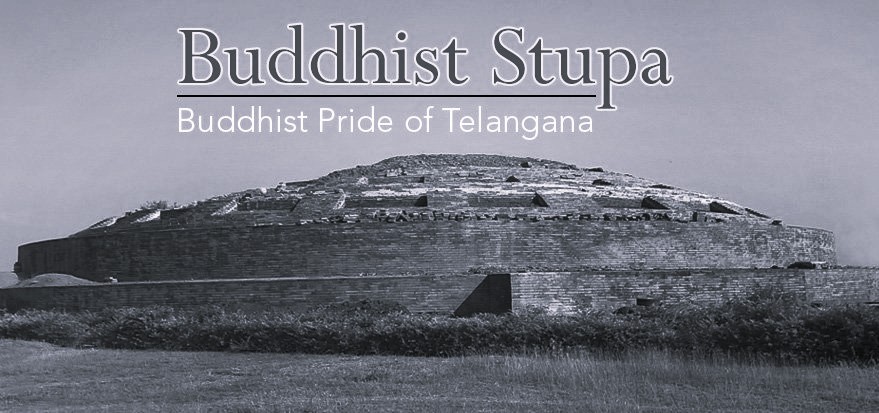
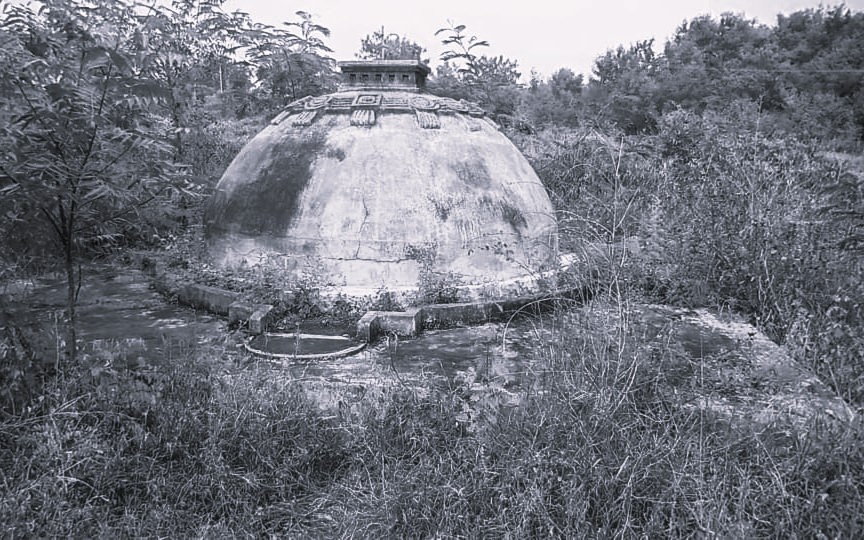
Spread across a historic settlement enclosed by a large mud fortification, Nelakondapalli has emerged as one of Telangana’s important early historic sites. Excavations have brought to light the foundations of brick-built Buddhist viharas, a mahastupa, wells and cisterns, besides terracotta objects, a bronze Buddha image and a miniature limestone stupa. Telangana Tourism places several of these archaeological remains in the 3rd and 4th centuries CE, highlighting the site's importance in understanding the spread of Buddhism in the Deccan.
The archaeological landscape points to a settlement that was not merely religious but also connected to wider patterns of movement and exchange. The presence of Buddhist establishments, structural remains and early historic artefacts indicates that Nelakondapalli formed part of the cultural network that linked settlements across the Deccan. Its location in the wider Khammam region, close to routes connecting different parts of Telangana and Andhra, helped it develop as a settlement of historical importance.
The Buddhist remains are at the heart of Nelakondapalli’s heritage. The Mahastupa and associated monastic structures reveal the scale of Buddhist activity that once existed here. The discovery of a bronze Buddha, terracotta figurines and a miniature limestone stupa adds to the archaeological evidence of a flourishing religious centre. The Telangana government itself lists Nelakondapalli among the state's significant Buddhist heritage locations.
Yet the story of Nelakondapalli did not end with the decline of Buddhism. The region continued to remain culturally significant through later centuries, with the broader Khammam landscape witnessing the influence of several dynasties and religious traditions. Archaeological evidence from the district reflects the coexistence and succession of Buddhist, Hindu and other cultural traditions, making the region important for understanding the changing history of the Deccan.
Nelakondapalli carries another distinction that gives it a special place in the cultural map of Telangana. It is traditionally recognised as the birthplace of Kancherla Gopanna, or Bhakta Ramadasu, the 17th-century devotee-poet associated with the Sri Sita Ramachandra Swamy temple at Bhadrachalam. The Khammam district administration records the site of the Sri Bhakta Ramadasu Smaraka Mandiram at Nelakondapalli and identifies the village with Gopanna's birthplace.
Gopanna's association with Bhadrachalam has become part of the region's enduring religious memory. He served as a revenue official under the Golconda Sultanate and is traditionally associated with the construction and development of the Bhadrachalam temple. His devotional compositions later became an important part of Telugu bhakti literature. The story of his devotion, imprisonment and eventual release has been preserved through religious tradition and popular memory.
This combination of Buddhist archaeological heritage and Bhakta Ramadasu's devotional legacy gives Nelakondapalli an unusual cultural character. The same landscape carries traces of an ancient Buddhist establishment as well as memories of a celebrated Telugu saint-composer.
The archaeological importance of the site has also made Nelakondapalli part of Telangana's heritage-tourism circuit. The state tourism department identifies the Buddhist remains as having considerable potential for further development. The district tourism authorities have also listed the site for heritage and historical tourism, while proposals have included improvements to visitor amenities and accommodation around the Buddhist stupa.
At present, however, Nelakondapalli remains primarily an archaeological destination rather than a fully developed Buddhist pilgrimage centre. Visitors come to see the excavated remains and understand the history of Buddhism in the Deccan, while the nearby Ramadasu memorial provides a separate spiritual and cultural attraction. The absence of large-scale facilities associated with better-known heritage destinations also means that the site's tourism potential remains considerable.
For travellers, Khammam is the main urban base, located around 21 km away. The district and state tourism portals identify Nelakondapalli as a heritage destination and connect it with the wider tourism circuit of Khammam.
The preservation of Nelakondapalli is particularly important because many of its treasures are archaeological rather than monumental in the conventional sense. According to the Khammam district administration, artefacts recovered from the site are preserved in state museums, as the district does not have a dedicated archaeological museum.
For students of Buddhism, archaeology and Deccan history, Nelakondapalli offers an opportunity to look beyond the better-known Buddhist centres of India. Its remains demonstrate how Buddhist institutions became embedded in early historic settlements, while its later history shows how religious landscapes evolved over centuries.
The site also carries a layer of local mythology. Local traditions associate places in and around Nelakondapalli with episodes from the Mahabharata, including the Pandavas' period of exile and their stay in the kingdom of Virata. Government tourism sources record these traditions as myths associated with the area rather than archaeological proof.
That distinction between archaeology and folklore is itself part of Nelakondapalli's appeal. Beneath the legends lie physical remains that can be studied, conserved and interpreted; around them survives a living cultural memory shaped by generations.
Nelakondapalli therefore represents more than a collection of ruins. Its Buddhist stupas and viharas, early historic artefacts, later religious traditions and association with Bhakta Ramadasu together create a layered historical narrative. It reflects a Telangana that was connected to wider networks of faith, trade, art and culture long before the modern state took shape.
As Telangana seeks to expand heritage and spiritual tourism, Nelakondapalli presents an opportunity to bring greater attention to a relatively less-known chapter of the Deccan's past. Proper conservation, interpretation, visitor facilities and scholarly research could help more people understand the significance of the site without compromising its archaeological character.
For now, the quiet remains of Nelakondapalli continue to tell a story that stretches across centuries from the rise of Buddhism in the Deccan to the devotional world of Bhakta Ramadasu. Its significance lies precisely in that continuity: a place where archaeology, faith, literature and local memory meet on the same historical ground.