
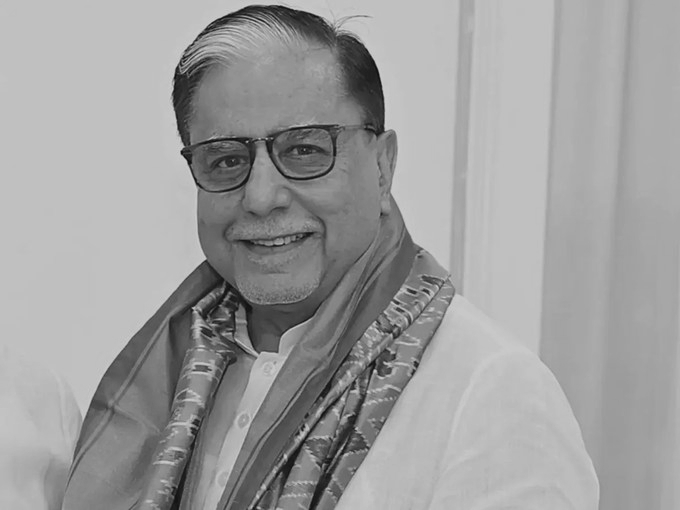
NCLT Stays ₹6.5-Crore Settlement for Essel Group Chairman Subhash Chandra
The National Company Law Tribunal (NCLT) has restrained Essel Group chairman Subhash Chandra from selling or transferring his properties as it examines a proposed settlement that would allow creditors to recover around ₹6.5 crore against claims of approximately ₹22,006 crore.
A five-member special bench headed by NCLT President Justice Anupinder Singh Grewal issued notices to all parties and said there was no clear majority view among its members on the repayment proposal. The tribunal consequently stayed the August 25 order passed by its third member, Nilesh Sharma.
The bench directed that Chandra, who is the guarantor in the proceedings, “shall not alienate the properties, either directly or indirectly.” It said all parties, including creditors opposing the settlement, would be heard before the matter is decided.
The dispute has also reached the National Company Law Appellate Tribunal (NCLAT), where dissenting lenders have challenged the repayment plan. NCLAT listed the matter for Wednesday after Solicitor General Tushar Mehta, representing lenders including LIC Housing Finance, Canara Bank and Union Bank, sought time to decide whether they would proceed with the case.
Under the proposed settlement, Chandra would pay about ₹6.5 crore against claims of ₹22,006 crore, representing a 99.9% haircut. Ten lenders backed the proposal, while HDFC Bank, LIC Housing Finance and Canara Bank were among those opposing it.
Chandra has disputed the ₹22,006-crore figure, arguing that it largely represents guarantees given for loans raised by Essel Group companies rather than money personally borrowed by him. He has estimated his personal guarantee liabilities at around ₹3,990 crore.
The NCLT had earlier observed that bankruptcy proceedings could result in even lower recovery, noting that Chandra’s estate had few assets of negligible value. Dissenting lenders, however, have sought greater scrutiny of his declared net worth and financial position.
The case follows the financial deterioration of Essel Group after the 2018 liquidity crisis, with falling share prices and pledged-share sales intensifying pressure on the conglomerate.