
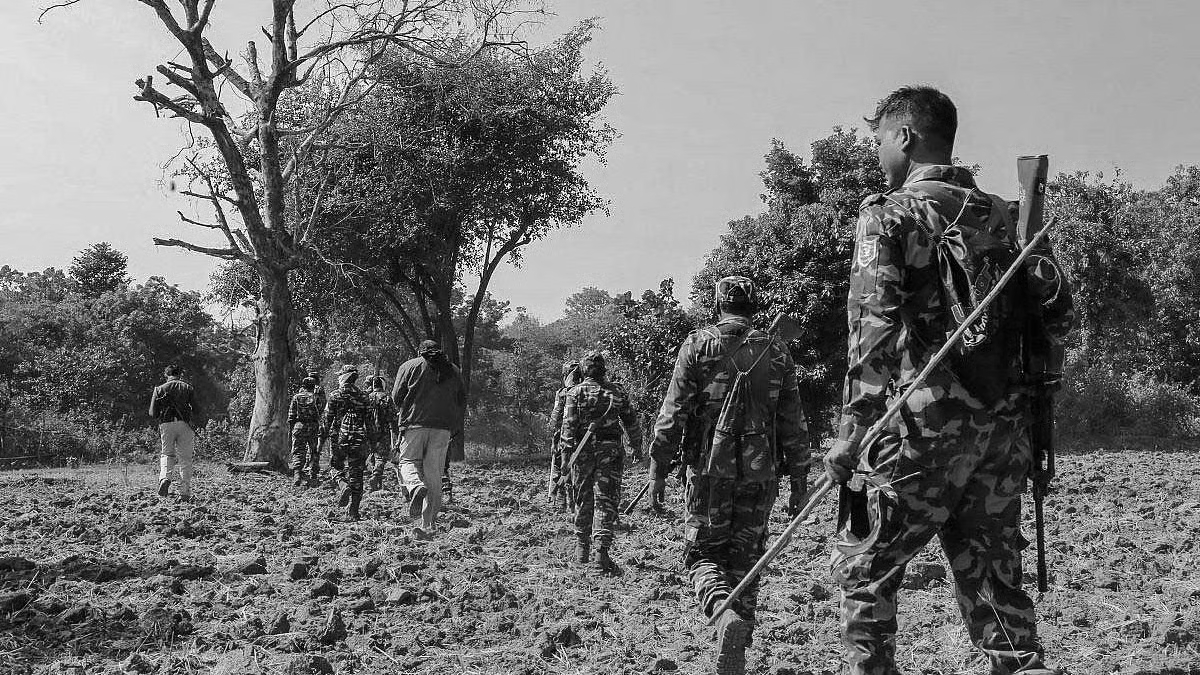
Naxal footprint shrinks: LWE districts down to 11, SRE to 38
India’s fight against Left-Wing Extremism (LWE) has marked another milestone, with the latest review by the Ministry of Home Affairs (MHA) showing a continued decline in Naxal-affected areas. The number of districts under the Security-Related Expenditure (SRE) scheme, a central assistance programme that funds states for counter-insurgency, rehabilitation, and development in LWE zones, has now dropped to 38 across nine states, down from 46 in April this year.
The fresh categorisation, issued on 15th October, is part of the Centre’s National Policy and Action Plan to Address Left-Wing Extremism (2015), under which central and state governments coordinate operations, development, and rehabilitation efforts. Officials describe the decline as a “marked improvement” in the security theatre, aligning with the government’s goal to eliminate Naxalism by March 2026.
According to official data:
• The number of LWE-affected districts has fallen from 18 to 11, further classified into most affected , districts of concern , and other affected districts .
• Only three districts, Bijapur, Narayanpur, and Sukma (all in Chhattisgarh), now remain under the most affected category, down from six in April.
• The districts of concern have been reduced to four: Kanker (Chhattisgarh), West Singhbhum (Jharkhand), Balaghat (Madhya Pradesh), and Gadchiroli (Maharashtra). These areas, while showing declining Naxal activity, still require focused security and development interventions.
• In addition, four other LWE-affected districts - Dantewada, Gariyaband, Mohla-Manpur-Ambagarh Chowki (all in Chhattisgarh) and Kandhamal (Odisha), are being consolidated for stability and growth.
• The “Legacy and Thrust Districts” category has been set at 27, where Naxalism has largely ended but vigilance and continued development support remain essential.
The decline in numbers underscores that the movement’s territorial and operational space has shrunk. The government deserves commendation for its decisive action;the drop in districts illustrates that Naxal cadres are increasingly squeezed, their zones of influence weakening. At the same time, the continued valor and persistence of India’s internal-security and special-forces agencies must be recognised: the dedicated efforts of the police, para-military, and state forces have repeatedly disrupted insurgent plans, eliminated cadres, and restored governance in previously hostile zones.
Encouragingly, surrenders by Naxal/Maoist cadres have surged, pointing to a weakening insurgent morale and structure. Key figures show that in the first quarter of 2025, surrenders in Chhattisgarh alone rose to around 280, up from about 124 during the same period in 2024. The year 2024 recorded around 787 Naxalite surrenders across India, while 2025 has already seen more than 1,700 cadres lay down arms nationwide, including over 1,040 in Chhattisgarh. In just a two-day span in October 2025, 258 Naxalites surrendered across Chhattisgarh and Maharashtra, signalling a continuing collapse of the movement’s base.
These numbers reinforce the narrative of weakening insurgent networks, shrinking recruitment, and growing success of rehabilitation policies.
Even though the numbers show progress, problems still exist. Earlier this year, security forces found large amounts of money, explosives, laptops, and other items in Naxal hideouts in Narayanpur district.
In sum, the re-categorisation of districts and the reduction in SRE coverage reflect real progress in India’s campaign against LWE. The decline in violence, large-scale surrenders, and renewed trust among tribal communities point to a positive transformation taking root in some of the most affected regions. Yet the state and central agencies must continue the combined strategy of intensive security action and sustained developmental outreach to ensure the movement does not resurrect. The special forces must remain vigilant, the government’s supportive schemes consistent, and local governance empowered, in order to turn this positive trend into a lasting peace.