
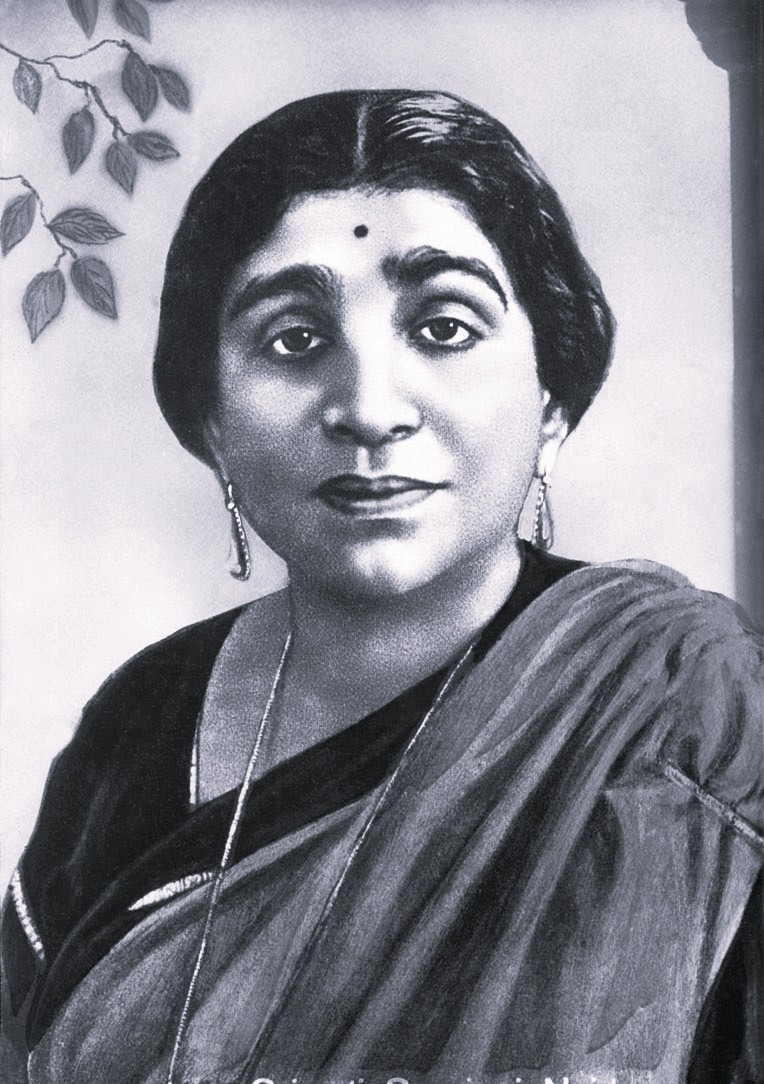
National Women’s Day: A Tribute to the ‘Nightingale of India’
Every year, February 13 is celebrated as National Women’s Day in India. This date was specifically chosen to honor Sarojini Naidu, famously known as the "Nightingale of India," for her monumental contributions to women’s rights, particularly her advocacy for female suffrage and education. While International Women’s Day is observed globally on March 8, India established this dedicated day to celebrate a leader rooted in the nation’s own history and struggle for autonomy. Following proposals from various women’s organizations and NGOs, the Government of India began promoting this day officially in 2014, marking her 135th birth anniversary as a symbol of women’s empowerment.
How the Day is Observed
National Women’s Day is celebrated across the country through various commemorative activities. In schools and colleges, students participate in essay writing and elocution competitions centered on the life of Sarojini Naidu. These events introduce the younger generation to her soulful poetry and revolutionary ideas. Simultaneously, the Union and State Departments of Women and Child Development organize special seminars to address modern challenges such as women’s safety, political participation, and the gender pay gap. Awards are conferred upon women who have rendered exceptional service to society. Since she is celebrated as the ‘Bharat Kokila,’ many institutions also host poetry recitals and theatrical performances in her memory.
The Role of Women in Nation Building
This day is not merely a celebration but an occasion to reflect on the power of women in the nation’s progress. Just as Sarojini Naidu paved the way by becoming the first female Governor of an Indian state, today’s celebrations emphasize increasing women’s representation in every sphere, from local Panchayats to the Parliament. The day also serves as a platform for social change, encouraging communities to fight against social evils like dowry harassment and child marriage. Furthermore, awareness is raised regarding government schemes that promote economic empowerment, helping women achieve financial independence through self-employment and entrepreneurship.
Sarojini Naidu: The Pole Star of Indian History
Sarojini Naidu was much more than a freedom fighter; she was a resonant voice for the oppressed. In 1917, she played a pivotal role in founding the ‘Women’s India Association.’ Her courage and self-confidence continue to provide a roadmap for women today, proving that one can transcend any obstacle to reach the pinnacle of success. On this day, February 13, 2026, as we mark her 147th birth anniversary, it is essential to revisit the journey of this extraordinary leader.
Early Life and Educational Brilliance
Born on February 13, 1879, in Hyderabad to a distinguished Bengali Brahmin family, Sarojini Naidu inherited a legacy of intellect. Her father, Dr. Aghorenath Chattopadhyay, was a renowned scientist and the founder of Nizam College, while her mother, Varada Sundari Devi, was a gifted poet. Sarojini was a child prodigy who completed her matriculation from Madras University at the tender age of 12. Impressed by her brilliance, the Nizam of Hyderabad granted her a scholarship to study in England at King’s College London and later at Girton College, Cambridge.
Marriage and Family Legacy
At the age of 19, following her return from her studies abroad, she entered into an inter-caste marriage with Dr. Paidipati Govindarajulu Naidu in 1898. At a time when social norms were extremely rigid, this was a revolutionary step. The couple had five children: Jayasurya, Padmaja, Randheer, Nilawar, and Leilamani. Her daughter, Padmaja Naidu, followed in her mother’s footsteps of public service and later served as the Governor of West Bengal. The entire Naidu family remained deeply patriotic and actively involved in the Indian independence struggle.
The Struggle for Independence
During her time in Britain, she met leaders like Gopal Krishna Gokhale and Annie Besant, who inspired her to join the national movement. However, her true political transformation occurred after meeting Mahatma Gandhi in 1916. Adopting the path of non-violence, she traveled across India to awaken a sense of national pride among women. In 1920, she joined the Non-Cooperation Movement. In 1925, she achieved a historic milestone by becoming the first Indian woman to be elected President of the Indian National Congress at the Kanpur session. She also led the Dharasana Satyagraha in 1930 and endured 21 months of imprisonment during the Quit India Movement in 1942.
The ‘Nightingale’ and Her Literary Contributions
As a poet, Sarojini Naidu’s works earned international acclaim for their vivid depiction of Indian culture, nature, and patriotism. Her famous publications include The Golden Threshold , The Bird of Time , The Broken Wing , and The Sceptred Flute . Her poem, "The Gift of India," remains a powerful tribute to the sacrifices made by Indian soldiers. After independence, she was appointed the Governor of the United Provinces (now Uttar Pradesh), becoming the first woman to hold the office of Governor in India. She also served as a member of the Constituent Assembly, contributing to the drafting of the Indian Constitution.
Legacy and Enduring Institutions
Though she passed away on March 2, 1949, her vision is carried forward by several trusts and government institutions. The Sarojini Naidu Memorial Trust focuses on vocational training and healthcare for women. Her residence in Hyderabad, "The Golden Threshold," is maintained by the University of Hyderabad as a hub for arts and culture. In the field of healthcare, the Sarojini Devi Eye Hospital in Hyderabad provides free treatment to thousands of underprivileged citizens. Furthermore, several educational institutions, such as the Sarojini Naidu Vanita Maha Vidyalaya in Hyderabad and the Sarojini Naidu Government Girls College in Bhopal, continue to empower women through education.
English Language Day in Telangana
In a unique tribute, the Telangana State Council of Educational Research and Training (SCERT) has declared February 13 as 'English Language Day' in all government schools. This decision honors Sarojini Naidu’s mastery of the language and her literary brilliance. Today, on February 13, 2026, schools across the state are organizing workshops, essay competitions, and creative sessions to celebrate the cultural and global significance of the English language. This initiative ensures that her literary legacy and her message of resilience remain an inspiration for future generations.