
National Cancer awareness day 2025: Ministry of Ayush expands integrative Cancer care and research
On National Cancer Awareness Day 2025, the Ministry of Ayush highlighted the critical need for enhanced public awareness, early detection, and integrative cancer-care strategies in India. Cancer continues to be the second leading cause of death worldwide, with oral, cervical, and breast cancers accounting for a significant share of cases. Many of these are linked to preventable factors, including tobacco use, unhealthy diets, obesity, sedentary lifestyles, alcohol consumption, environmental pollutants, and HPV infections. Early detection, combined with healthy lifestyle choices, can dramatically improve survival rates.
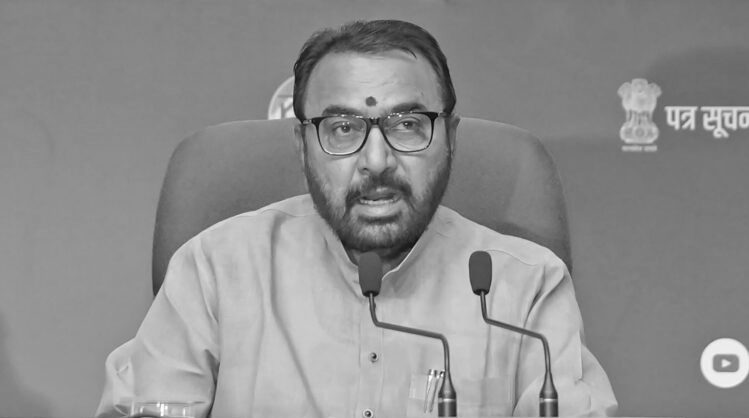
Union Minister Shri Prataprao Jadhav, Minister of State (IC) for Ayush and Health & Family Welfare, emphasised a proactive, people-centric approach to cancer prevention and care. He noted that the Ministry’s expanding initiatives including integrative cancer-care centres, collaborative research, and community outreach programmes aim to make holistic and supportive care accessible to all citizens. Shri Jadhav highlighted that integrative models, which combine modern oncology with AYUSH therapies such as Ayurveda, Yoga, Naturopathy, and Siddha, can significantly enhance quality of life, particularly for vulnerable populations.
Secretary Vaidya Rajesh Kotecha stressed the Ministry’s commitment to evidence-based interventions and patient-centric care. India’s growing network of Centres of Excellence (CoEs) and collaborative platforms, including TMC–ACTREC, Arya Vaidya Sala (Kottakkal), AIIMS, and the All India Institute of Ayurveda (AIIA) in Goa, is advancing research in integrative oncology. These initiatives focus on symptom management, supportive therapies, adjuvant care, and clinically validated interventions that complement conventional cancer treatments. For instance, Arya Vaidya Sala has managed over 26,000 cancer patients in the past two years, demonstrating the impact of integrated care.
The Ministry also highlighted the importance of prevention and lifestyle-based interventions. Avoiding tobacco, limiting alcohol, maintaining a healthy diet and weight, staying physically active, and reducing exposure to pollutants are essential measures to lower cancer risk. In India, an estimated 15.6 lakh people were diagnosed with cancer in 2024, while approximately 8.7 lakh deaths occurred due to the disease. Integrative approaches, supported by scientific research, can help embed these preventive strategies within public health programmes and community outreach.
Through this focus on research, clinical validation, and capacity building, India is advancing a model of cancer care that is holistic, affordable, and evidence-driven. By combining modern oncology with the preventive and supportive strengths of AYUSH systems, the Ministry aims to offer a comprehensive pathway to reduce the national cancer burden, improve patient outcomes, and promote long-term wellbeing across communities.
The Ministry of Ayush reiterated that sustained efforts in awareness, early detection, and integrative care are essential for India’s response to the growing cancer challenge, underlining the synergy between modern science and traditional medicine in creating a healthier nation.