
NASA’s $30 Million Rescue Fails, Swift Telescope Faces Fiery Reentry
NASA has called off a $30 million mission to save the Swift Observatory, ending efforts to move the ageing space telescope into a higher orbit. The decision means Swift is now expected to make a fiery reentry into Earth’s atmosphere later this year.
NASA wanted to rescue Swift because intense solar activity was causing its orbit to decay faster than expected. Raising the observatory to a higher, more stable orbit could have delayed its reentry and potentially extended its scientific life. Launched in 2004, Swift has spent more than two decades studying some of the universe’s most powerful explosions, including gamma-ray bursts and stellar explosions.
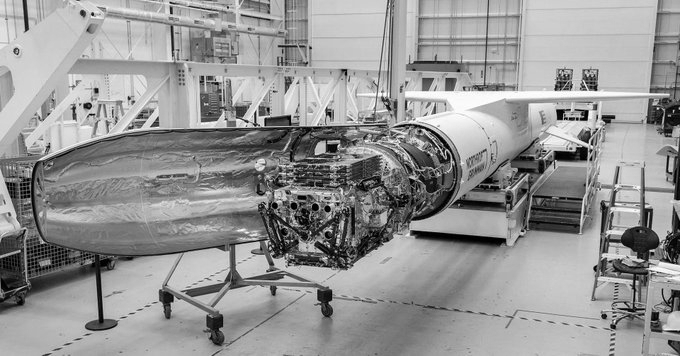
The rescue was being attempted by Katalyst Space Technologies using its Link spacecraft, which launched in early July. The plan was for Link to rendezvous with Swift, carefully approach and capture the telescope, then use its propulsion system to raise Swift into a higher orbit.
However, the mission ran into serious problems several weeks after launch when Link entered an uncontrollable spin. Flight controllers managed to slow the spacecraft’s tumble, but problems with its pointing, attitude control and orbital positioning continued. Without sufficiently precise control, Link could not safely approach and capture Swift.
Katalyst subsequently determined that attempting the capture would be too risky and called off the orbital-boost operation. NASA Administrator Jared Isaacman said the outcome was disappointing but did not diminish the value of attempting the high-risk mission.
Swift’s scientific instruments were switched off earlier this year to slow its descent. It was orbiting about 347 kilometres above Earth last week. Despite the failed rescue, Katalyst will continue operating Link near Swift to demonstrate capabilities for future satellite-rescue missions.
The setback could also affect plans involving NASA’s Hubble Space Telescope, which is similarly losing altitude amid heightened solar activity. Hubble had potentially been considered for an orbital boost if the Swift mission succeeded. Katalyst CEO Ghonhee Lee said the ambitious mission was assembled in less than a year and provided valuable lessons despite failing to save Swift.