
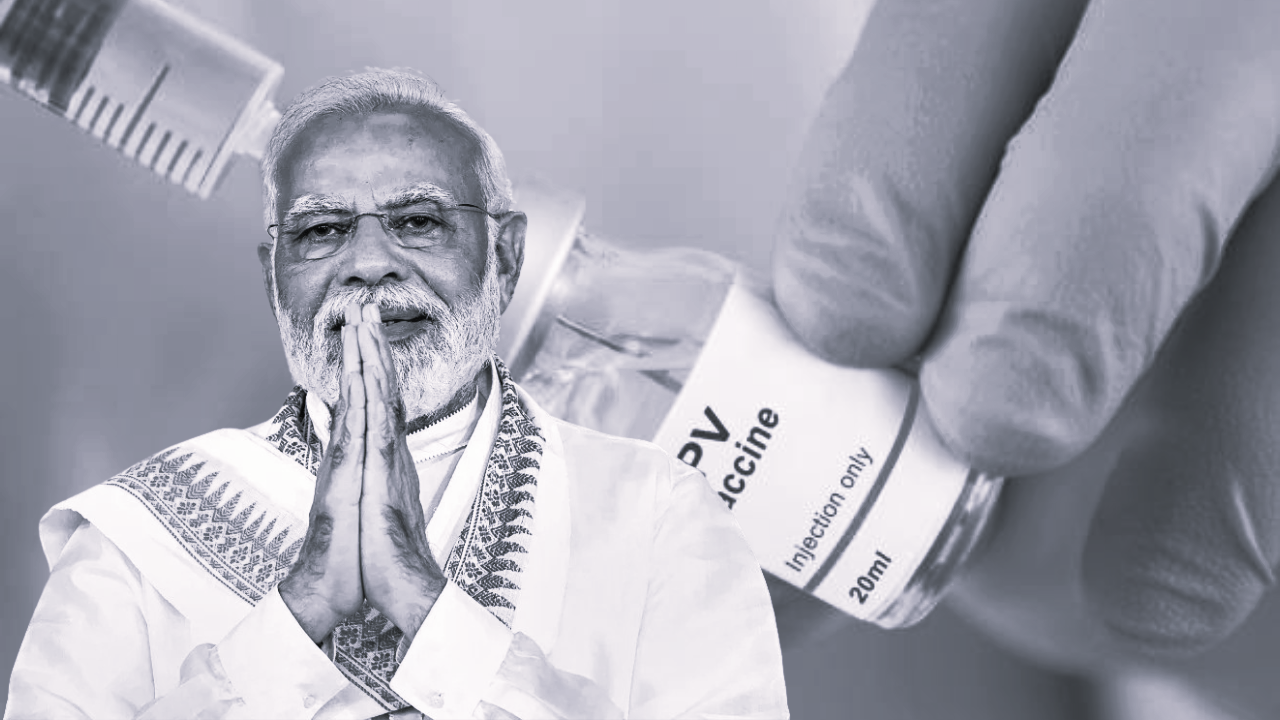
Narendra Modi to Launch Nationwide HPV Vaccine Drive to Fight Cervical Cancer
Prime Minister Narendra Modi will launch a nationwide HPV vaccination campaign for adolescent girls on February 28 from Ajmer , marking a major step in India ’s effort to reduce the burden of cervical cancer and expand preventive healthcare .
Cervical cancer remains one of the leading cancers affecting Indian women, accounting for a significant share of cancer deaths among women, particularly in rural populations where screening and early detection remain limited. Health authorities view widespread immunisation as the most effective long-term strategy to reduce these preventable losses.
The campaign will target girls aged 14 years , a group chosen because vaccination before exposure to HPV provides the strongest protection . Experts note that immunising adolescents prior to adulthood ensures optimal immune response and prevents infection before any risk of transmission arises.
Eligible girls will receive a single dose of the quadrivalent Gardasil-4 vaccine at government health facilities. Evidence and global programme experience indicate that a single-dose regimen offers durable protection against cancer-causing HPV strains while maintaining a strong safety profile .
The vaccination drive will extend beyond hospitals into schools , community centres and rural outreach sites to ensure equitable access. States have been instructed to organise school sessions, mobile teams and awareness campaigns to maximise coverage , particularly in underserved regions.
Officials said the government will bear the cost of procuring and distributing vaccines as part of the national immunisation programme . Though the initiative requires significant investment in logistics and infrastructure, experts stress the long-term public-health impact will include reduced treatment costs, healthier populations and improved productivity.
Vaccination will remain voluntary , with parental consent mandatory before immunisation. Following the national launch, states and Union territories will conduct local rollouts with trained staff, adequate stocks and monitoring systems for adverse events.
Health authorities say the initiative could become one of India’s most significant women-focused health interventions, with the potential to sharply reduce cervical cancer incidence in the coming decades.