
Mystery Deepens as Tiger and Cub Found Dead in Madhya Pradesh’s Panna and Kanha Reserves
A tiger and a male cub were found dead in two separate tiger reserves of Madhya Pradesh , triggering a probe by forest authorities into the circumstances surrounding the incidents.
Forest department personnel discovered the decomposed carcass of a tiger during a routine patrol on Tuesday in the Panna Tiger Reserve (PTR) . The body was located in compartment number 278 of the Vanmarg Sanctuary , officials said.
PTR field director Brijesh Srivastava said the tiger is estimated to have died nearly 20–25 days earlier , and the advanced stage of decomposition has made it difficult to determine the exact cause of death at this stage. A veterinary doctor and forest officials inspected the spot soon after the carcass was discovered.
Authorities have called in a Special Task Force (STF) that specialises in investigating wildlife crimes to assist with the probe. Officials are collecting evidence with the help of dog squads and forensic experts to determine whether the death occurred due to natural causes or involved illegal activities such as poaching. Efforts are also underway to establish the tiger’s identity through its ID number maintained in official records.
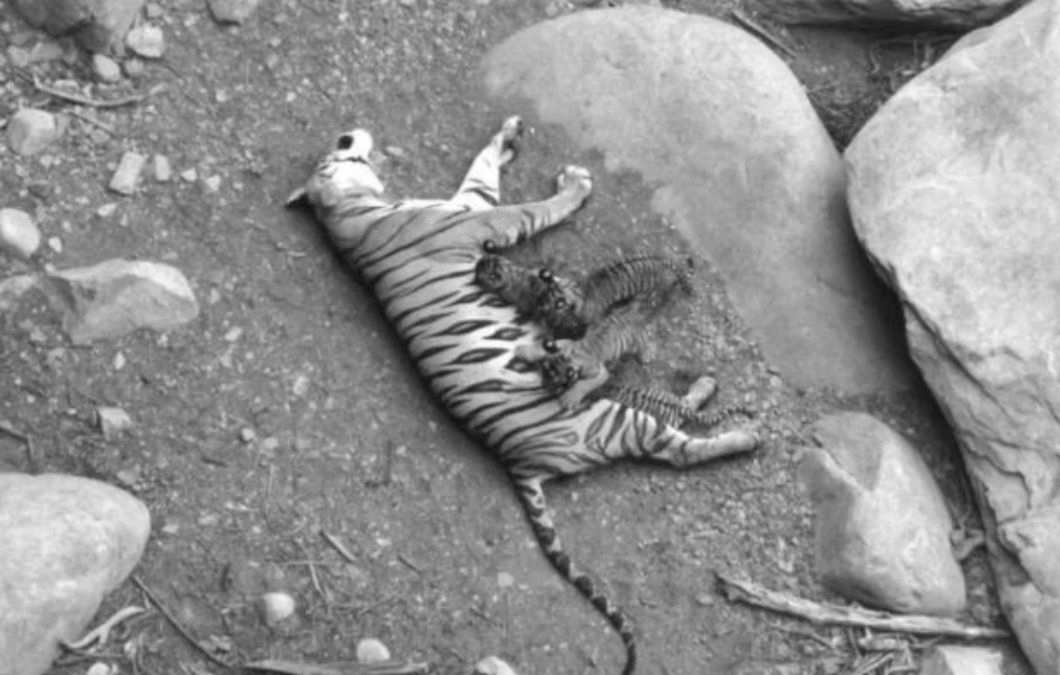
In a separate incident on the same day, forest staff found a male tiger cub dead in the Sarhi forest range of the Kanha Tiger Reserve in Mandla district.
According to KTR field director Ravindra Mani Tripathi , all organs of the cub were intact and the post-mortem examination indicated a natural death . The area was secured immediately after the discovery, and forest teams conducted a search operation in the surrounding forest.
Officials later spotted a tigress nearby with her other cubs , suggesting the dead cub likely belonged to the same litter and that the remaining cubs were safe.
Madhya Pradesh, often called India’s ‘Tiger State’ , has the largest tiger population in the country and hosts several major reserves, including Panna, Kanha, Pench, Satpura and Bandhavgarh , making wildlife protection and monitoring in the region especially critical.