
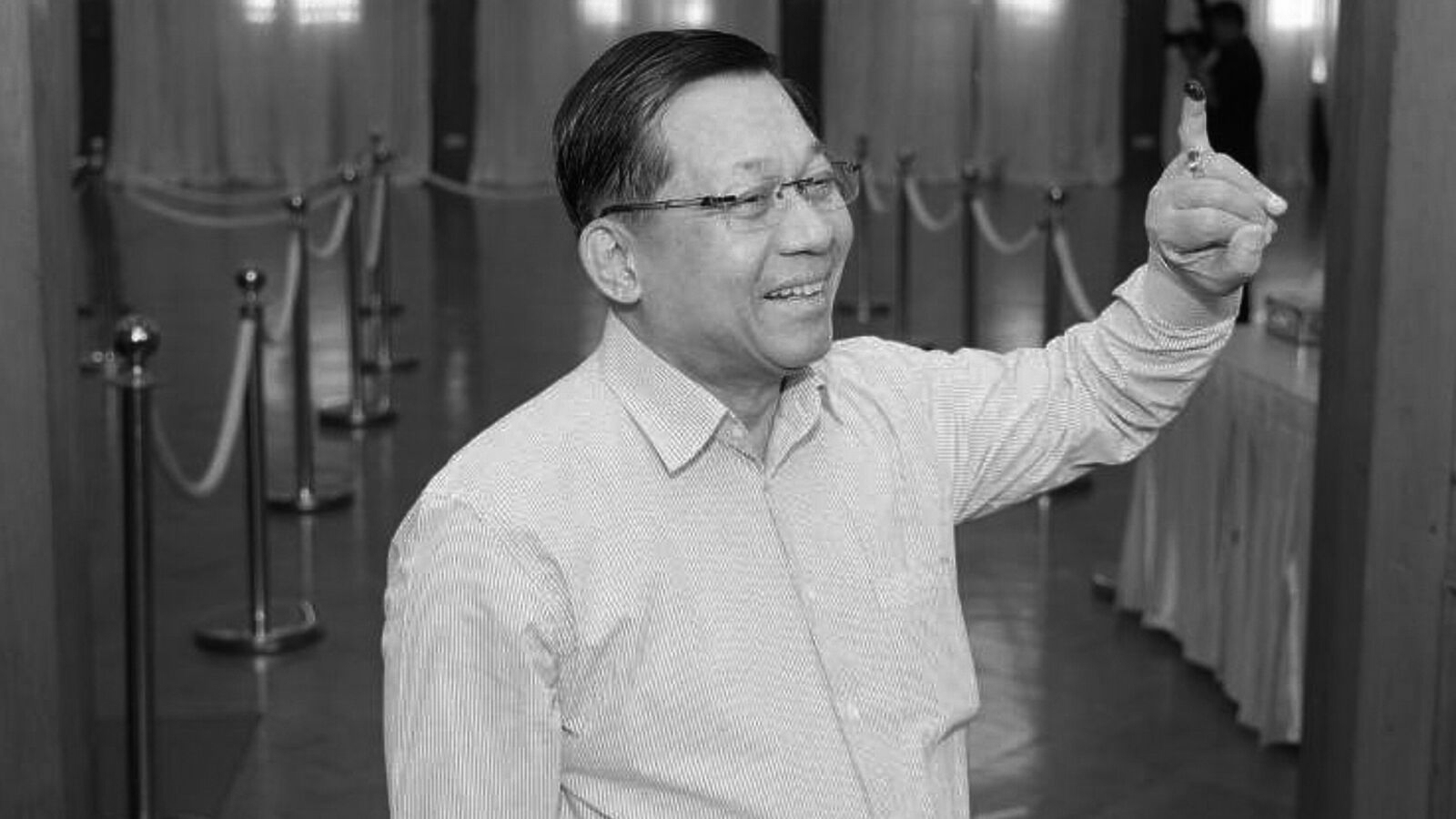
Myanmar concludes final election phase with military-backed party set to consolidate power
Myanmar has completed the final phase of its three-stage general election , the first national vote since the military seized power in February 2021 . Voting concluded on January 25, 2026 , amid widespread criticism that the process is neither free nor fair and is aimed at consolidating the junta’s authority rather than restoring democratic governance . The army-backed Union Solidarity and Development Party (USDP) and its allies are set to control Parliament , with Senior General Min Aung Hlaing widely expected to assume the presidency once the new legislature convenes.
The election was conducted in three phases beginning in late December, but large portions of the country were excluded due to ongoing conflict and insecurity . About one-fifth of Myanmar’s 330 townships , particularly areas under ethnic armed group control , did not participate. This reduced the number of contested seats in the 664-member legislature to 586 . Voting was also marked by low turnout , estimated at 52 to 56 percent , a sharp decline from previous elections.
The military’s influence is embedded in the system, with 25 percent of parliamentary seats reserved for the armed forces , ensuring control over the legislature . Opposition parties, including the National League for Democracy (NLD) led by Aung San Suu Kyi , were absent from the polls. Suu Kyi remains imprisoned on politically motivated charges , and her party was forced to dissolve after refusing to register under restrictive new laws . Other parties either declined to run or were barred , and resistance groups encouraged voter boycotts .
Authorities imposed a draconian election law , criminalizing public criticism of the vote, with hundreds charged for dissenting activities, including leafleting and social media posts . Armed resistance groups disrupted earlier rounds of voting, targeting polling stations and government offices, leading to deaths of administrative officials . The civil war that erupted after the 2021 coup has displaced millions and left tens of thousands dead , with armed clashes ongoing even during the final round of voting.
International reactions have been overwhelmingly critical. The United Nations , Western governments , and human rights organizations have denounced the election as fraudulent and illegitimate . ASEAN , the regional bloc of which Myanmar is a member, announced it would not send observers or certify the results due to the lack of inclusive participation . Some countries, including China, Russia, India, Vietnam, and Cambodia , sent observers or expressed support, highlighting a divide in international perception . Analysts suggest that China’s backing reflects strategic interests in maintaining stability and influence in Myanmar.
The election took place amid severe economic and humanitarian crises. The country’s economy has contracted sharply since the coup, with rising food insecurity and disruption of livelihoods. Many displaced populations are cut off from basic services, and ethnic organizations have established parallel governance structures in several regions, further fracturing state authority.
Final results for all contested seats are expected to be released by late January or early February 2026 . Once announced, the new Parliament is scheduled to convene in March, with the government taking office in April. Despite the formal conclusion of the election, analysts warn that it is unlikely to resolve Myanmar’s political crisis, end the civil war, or bring legitimacy to the junta. Instead, it is expected to strengthen military dominance and intensify both internal resistance and international isolation, leaving the country’s democratic future uncertain.