
“Muslims, Christians who embrace Indian culture are ‘Hindus’ - Bhagwat
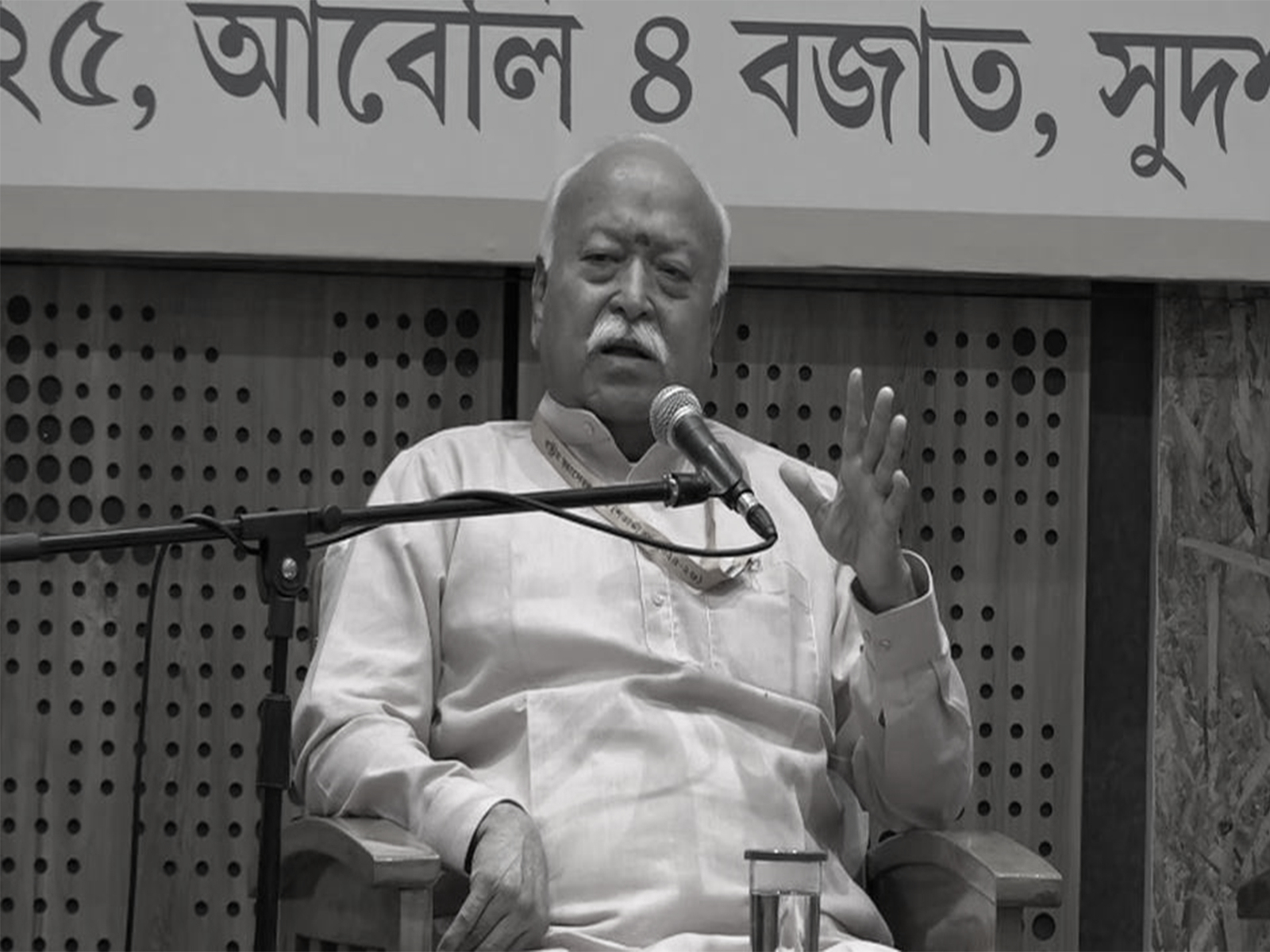
RSS chief Mohan Bhagwat has sparked a fresh debate with his comment that Muslims and Christians who worship this country, respect Indian culture and honour their ancestors can also be seen as Hindus in a broader civilisational sense. Speaking at an event in Assam, as part of the RSS’s centenary celebrations, Bhagwat said that the term “Hindu” should not be understood merely in a religious sense but as a cultural and ancestral identity that binds all Indians. He stated that even without abandoning their religious customs or traditions, those who prioritise the nation, value Indian heritage and take pride in common ancestors are, in his words, culturally aligned with the idea of being Hindu.
Bhagwat explained that Hindu identity goes beyond rituals and religious practice and represents a shared civilisation, ethos and lineage rooted in the land. In his speech, he referred to historical figures such as Lachit Borphukan and Srimanta Shankardeva, calling them symbols of national unity whose legacy connects people across regions and beliefs. He also outlined his vision of “Panch Parivartan”, a framework focused on social harmony, revival of family values, civic discipline, self-reliance and protection of the environment, calling on the youth and intellectuals to contribute to these goals.
He reiterated that there is no “Ahindu” in India and that all Indians share common civilisational roots, regardless of their faith. According to him, Hindu culture forms the core identity of the country, and the RSS sees itself as an organised force working for national service, not political power.
While political reactions to this particular statement have just begun to emerge, past responses from parties like the Congress have criticised similar remarks by Bhagwat as attempts to redefine national identity through a majoritarian lens. In earlier debates, Bhagwat has also confronted ideological opposition in southern states, saying that cultural practices there also reflect Hindu civilisational values despite political narratives suggesting otherwise.
Bhagwat’s remarks are considered significant because they blur the lines between religious and cultural identity, expanding the meaning of “Hindu” to encompass a nationalistic and cultural narrative. This raises important questions about secularism, minority identity and the balance between cultural unity and pluralism in India’s constitutional framework.