
Mumbai’s Byculla Zoo Set To Welcome Four Asiatic Lions From Gujarat After 12-Year Wait
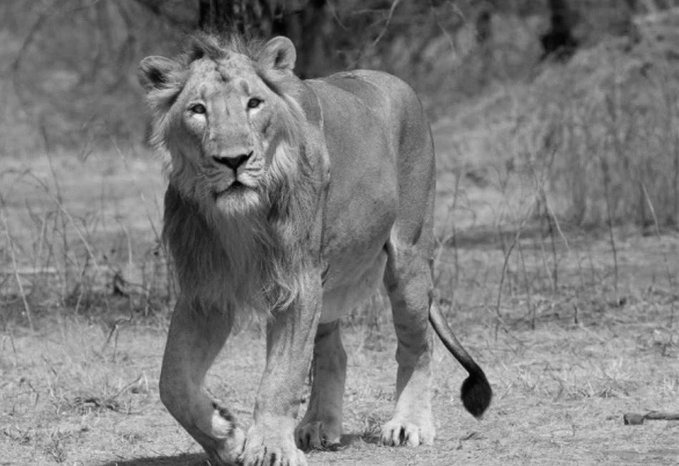
Mumbai’s Veermata Jijabai Bhosale Botanical Udyan and Zoo, popularly known as Byculla Zoo or Ranibaug, is set to receive four Asiatic lions from Gujarat’s Sakkarbaug Zoological Park , marking a major step towards bringing the endangered species back to the city after more than a decade.
The Junagadh-based zoo has granted in-principle approval to transfer two male and two female lions to Mumbai under an animal exchange programme, according to an official communication shared by the Brihanmumbai Municipal Corporation (BMC). The transfer, however, remains subject to clearances from the Central Zoo Authority and other competent authorities.
Under the proposed arrangement, Mumbai Zoo may exchange two giraffes , a pair of Indian one-horned rhinoceroses , or three pairs of capuchin monkeys . However, officials indicated that the deal has not yet been fully finalized because Sakkarbaug Zoo already has adequate numbers of some of the species listed in Mumbai’s surplus inventory. Penguins were also reportedly ruled out because they do not fit the Gujarat zoo’s collection plan.
The push to bring lions back to Mumbai intensified earlier this year when Mayor Ritu Tawde wrote to Gujarat Chief Minister Bhupendra Patel seeking two pairs of Asiatic lions as a goodwill gesture. Her letter noted that the zoo’s lion enclosure has remained vacant despite years of redevelopment efforts.
Byculla Zoo has not housed lions since the death of “Jimmy,” a 16-year-old African-Asiatic hybrid lion, in 2014 after prolonged illness. A dedicated lion habitat built during the zoo’s Phase-II modernisation has reportedly remained unused since 2021.
The enclosure has been specially designed to recreate the environment around Gujarat’s Gir Forest, the only natural habitat of Asiatic lions. It features Maldhari-style mud houses , caves, dense plantations, shaded resting areas, water facilities, machans, and an acrylic viewing gallery for visitors.
Officials said the exchange programme would be carried out under the Wildlife (Protection) Act, 1972 , while following strict veterinary, quarantine, transportation, and conservation guidelines. Conservation authorities also see the move as part of broader efforts to strengthen captive breeding and awareness programmes for the endangered species, whose wild population remains confined largely to Gujarat’s Gir landscape.