
Mumbai's BEST Bus Service Turns 100, Marking a Century of Public Transport
Mumbai's iconic Brihanmumbai Electric Supply and Transport (BEST) bus service completed 100 years of operation on Wednesday, marking a significant milestone in the history of the country's public transportation network.
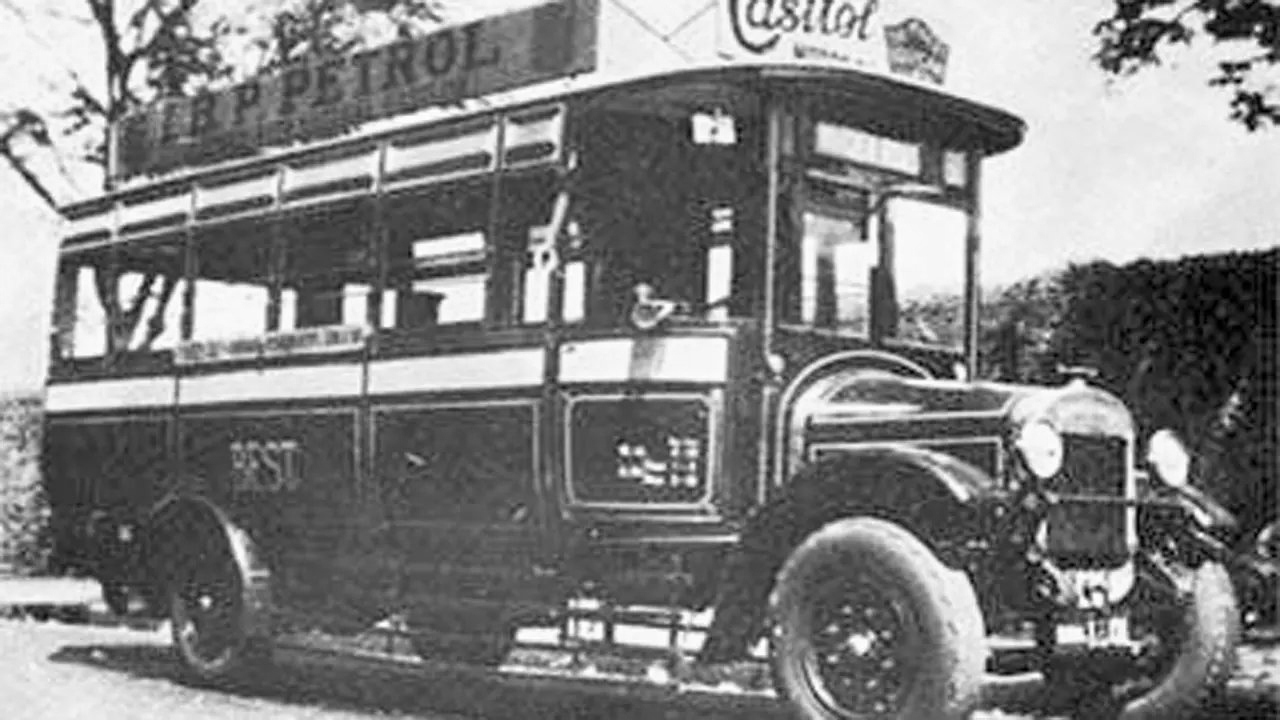
The journey began on July 15, 1926 , when the first BEST bus service was launched between Afghan Church in Colaba and Crawford Market . What started with just 24 buses on a single route has evolved into one of India's largest urban bus transport systems, serving millions of commuters every day.
Today, BEST operates a fleet of 2,804 buses across Mumbai and its suburbs. Of these, 249 buses are owned by the undertaking , while the remaining 2,555 buses are operated by private contractors . The service carries around 25 lakh passengers daily on more than 400 routes , connecting Mumbai with neighbouring cities such as Thane, Navi Mumbai and Mira-Bhayander .
According to S.N. Pendsay's book The BEST Story , the organisation originally stood for Bombay Electric Supply and Tramways Company . The company introduced motor buses after years of debate over whether the city should adopt trolley buses or motor buses as its next major public transport solution.
The first motor bus service was initially planned as an experimental project on three routes, including the Afghan Church–Crawford Market corridor. Four buses operated at 10-minute intervals on the inaugural route, and the service quickly gained popularity among residents.
Pendsay notes that discussions over introducing buses began as early as 1913 , involving the municipality, the transport company, police authorities and other stakeholders. The decision to adopt motor buses was finally taken on February 10, 1926 , paving the way for a new era in Mumbai's transportation system.
Before buses arrived, Mumbai's public transport largely depended on suburban railways, electric trams, horse-drawn trams, Victoria horse carriages and hackney carriages , commonly known as "reklas". While carriage and taxi operators opposed the introduction of buses, commuters enthusiastically embraced the new service.
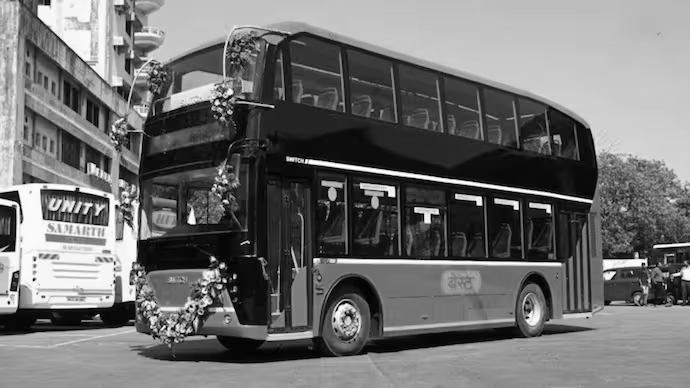
In its early years, buses were considered a preferred mode of transport for the upper middle class , whereas trams were viewed as the more affordable option for the masses. To meet growing demand, BEST introduced its iconic double-decker buses in 1937 , which later became one of Mumbai's most recognisable symbols.
Although BEST has experienced a decline in fleet size and ridership in recent years due to the expansion of other public transport systems and private vehicle usage, it continues to play a vital role in the city's mobility network. As it enters its second century, BEST remains an indispensable lifeline for millions of Mumbai commuters.