
Mumbai Court Gives Police 13 Days to Execute 26/11 Proclamation Orders
Mumbai Police have sought more time from a special court to execute proclamation orders against Lashkar-e-Taiba (LeT) chief Hafiz Saeed and five other Pakistan-based accused in the 2008 Mumbai terror attack case, nearly 18 years after the attacks killed 166 people. The prosecution told the court that it was awaiting a response from the Union Home Ministry on facilitating service of the orders through Interpol.
The special court on Thursday granted the prosecution 13 additional days and adjourned the matter to October 1. Special Public Prosecutor Ujjwal Nikam said police had approached the Ministry of Home Affairs to facilitate service of the proclamation orders through Interpol, but had not received the required response. The ministry had acknowledged the request on August 3, according to the prosecution.
The court had issued the proclamation orders in July 2026 against six accused - Hafiz Saeed, Zaki-ur-Rehman Lakhvi, Sajid Mir, Abu Alqama, Asim alias Abu Qahafa and Major Abdur Rehman Pasha - who are stated to be in Pakistan. The present request concerns execution of the orders, a procedural step before the case can potentially proceed against them in their absence.
The proceedings are significant under the Bharatiya Nagarik Suraksha Sanhita (BNSS), 2023. Section 84 provides for proclamation against an absconding accused, while Section 356 permits trial in absentia against a proclaimed offender who has absconded to evade trial and whose arrest is not immediately possible, subject to statutory safeguards. The law also provides for legal representation for an accused who does not have an advocate.
The 26/11 investigation has drawn on evidence from Ajmal Kasab, the only attacker captured alive, and David Coleman Headley, who carried out reconnaissance in Mumbai before the attacks. The NIA's Headley case record identifies Saeed, Lakhvi, Sajid Mir and Major Abdur Rehman among senior LeT or associated functionaries whose alleged roles emerged during the investigation.
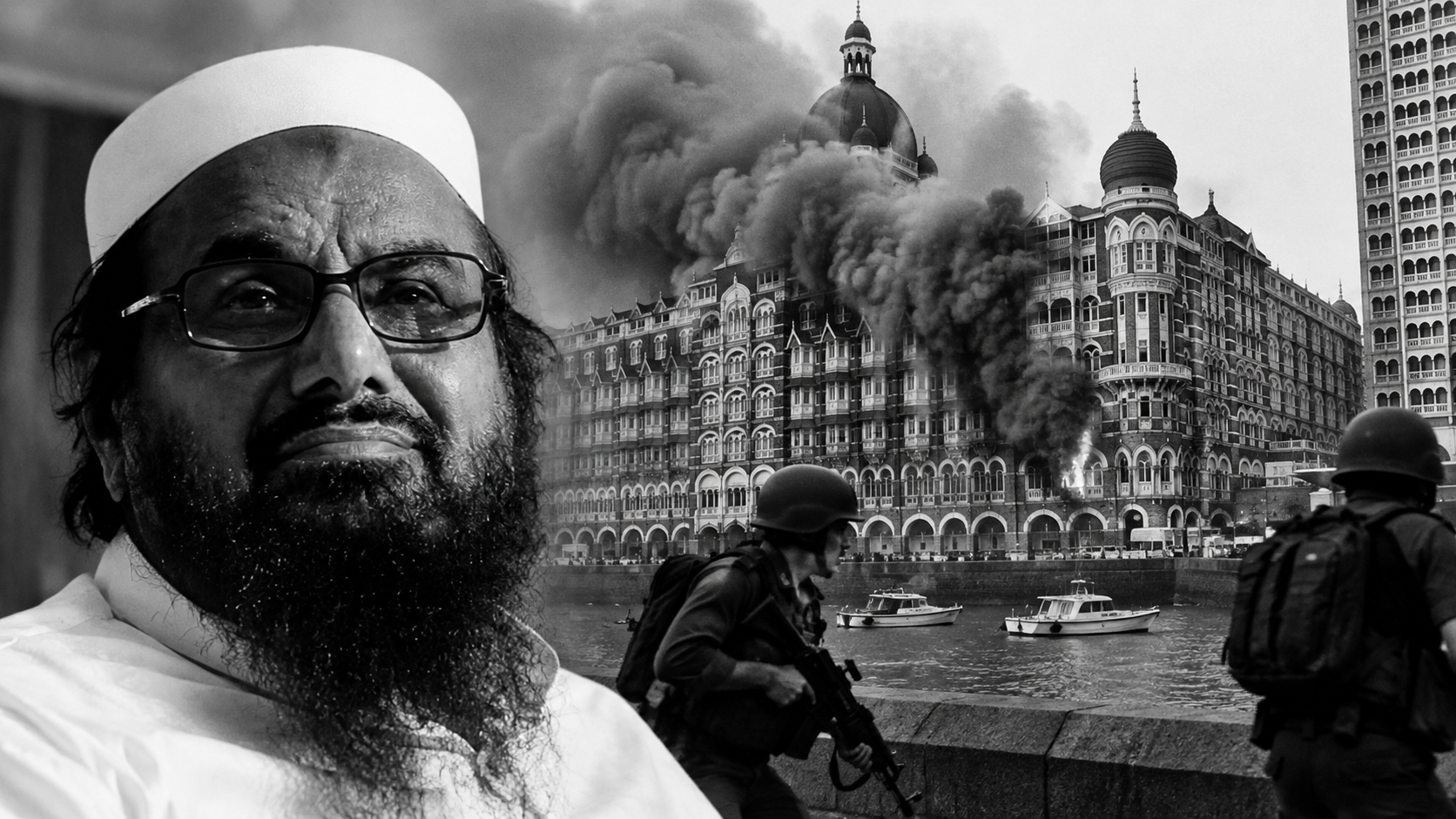
The attacks began on November 26, 2008, when 10 Pakistani terrorists targeted multiple locations, including the Taj Mahal Palace, Oberoi-Trident, CST and Nariman House. The assault lasted more than 60 hours, killing 166 people and injuring 238. Kasab was later convicted and executed at Yerwada Central Jail, Pune, on November 21, 2012.
Saeed has been designated a terrorist by India and the UN. The UN records him as being in Pakistani custody and serving a 78-year sentence following terror-financing convictions. India's MHA records a Red Corner Notice issued in August 2009 in connection with the 26/11 case.
The October 1 hearing will determine the next procedural steps as authorities attempt to complete service of the proclamation orders and potentially move toward in-absentia proceedings against the six accused.