
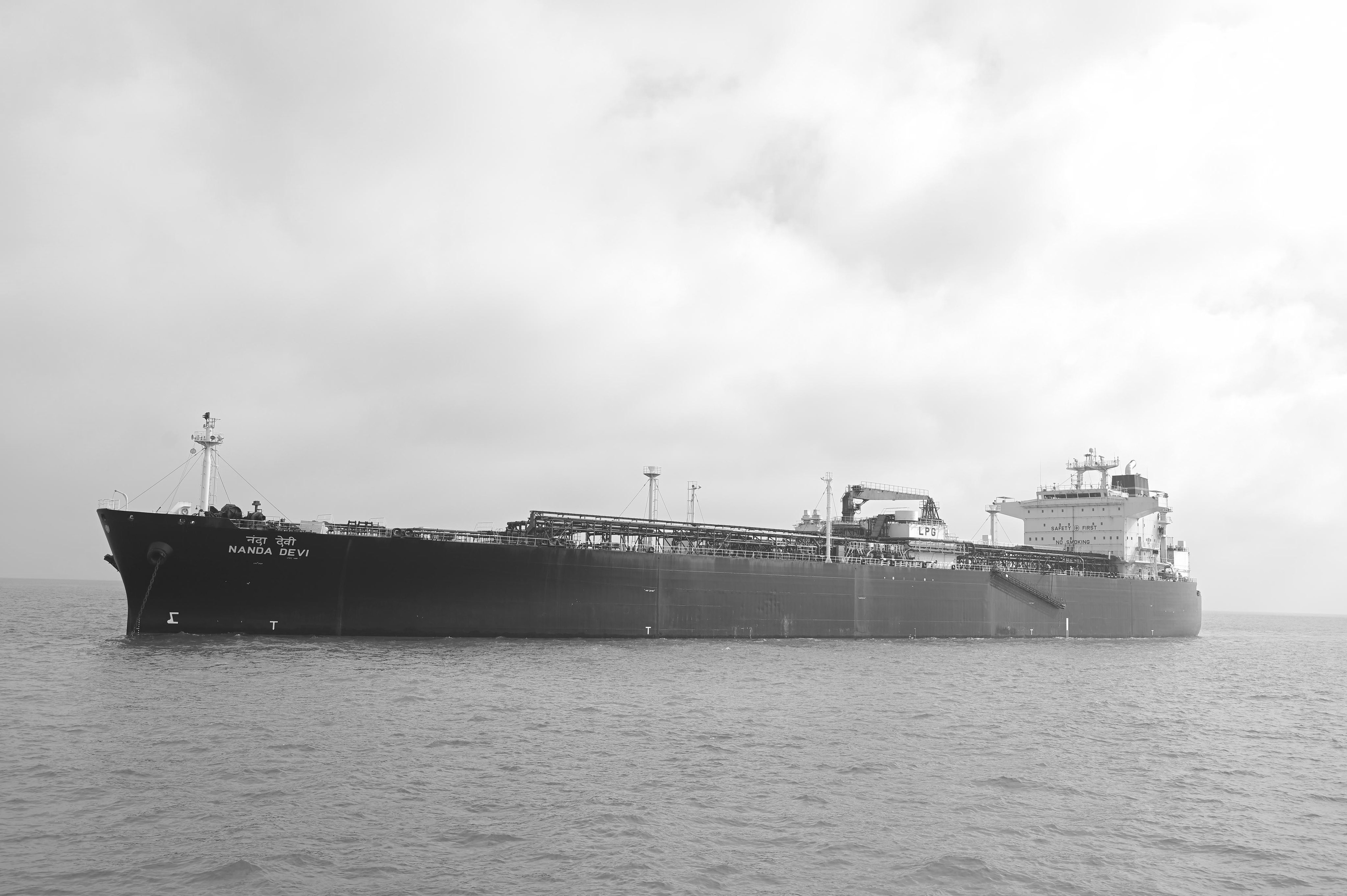
MT Nanda Devi Delivers 46,500 Tonnes of LPG Near Vadinar Port
India’s energy logistics network received a major boost with the arrival of the MT Nanda Devi near Vadinar, Jamnagar, carrying 46,500 metric tonnes of Liquefied Petroleum Gas (LPG) . The development has triggered a Ship-to-Ship (STS) transfer operation to MT BW Birch , underlining the country’s growing capability to manage large-scale offshore energy movements with speed and precision.
The operation, overseen by the Deendayal Port Authority (DPA) , highlights how efficient port logistics and modern maritime practices are directly strengthening India’s energy security . By enabling faster cargo handling and minimizing vessel wait times, such systems ensure uninterrupted fuel availability even during periods of global supply volatility. Chairman Sushil Kumar Singh reviewed the operation on-site, assessing safety protocols , operational readiness , and coordination mechanisms critical to high-risk energy transfers.
A key highlight of this development is the use of Ship-to-Ship (STS) transfer , a globally adopted technique that significantly reduces port congestion , avoids berthing delays, and improves turnaround efficiency . This method allows large carriers like VLGCs to transfer cargo offshore, effectively expanding handling capacity without the need for additional port infrastructure. In doing so, it lowers logistical bottlenecks , reduces demurrage costs , and ensures quicker distribution of LPG into domestic supply chains.
The strategic importance of such operations becomes even more evident amid ongoing global energy disruptions , including geopolitical tensions and fluctuating shipping routes. India’s ability to rely on resilient infrastructure , diversified import channels, and advanced logistics systems enables it to maintain supply stability despite external uncertainties. Vadinar’s proximity to Jamnagar’s refining and storage ecosystem further strengthens its role as a critical node in the country’s energy network.
Aligned with national initiatives like Atmanirbhar Bharat and PM Gati Shakti , these developments are part of a broader push to integrate ports with multi-modal transport systems , enhance storage capacity, and streamline last-mile delivery. The increasing scale and efficiency of LPG imports driven in part by rising domestic demand and schemes like PM Ujjwala Yojana make such logistical advancements essential for both economic growth and social welfare.
As India continues to modernize its ports and adopt global best practices, operations like this reinforce its transition into a reliable and resilient energy hub , capable of supporting not just domestic needs but also playing a more active role in the global energy supply chain .