
Moringa: The superfood powering a new era of women’s health and menstrual care
Moringa, widely known as the “miracle tree” in traditional medicine, is gaining renewed scientific attention for its exceptional nutritional profile and potential benefits for women’s health, particularly in menstrual and intimate care.
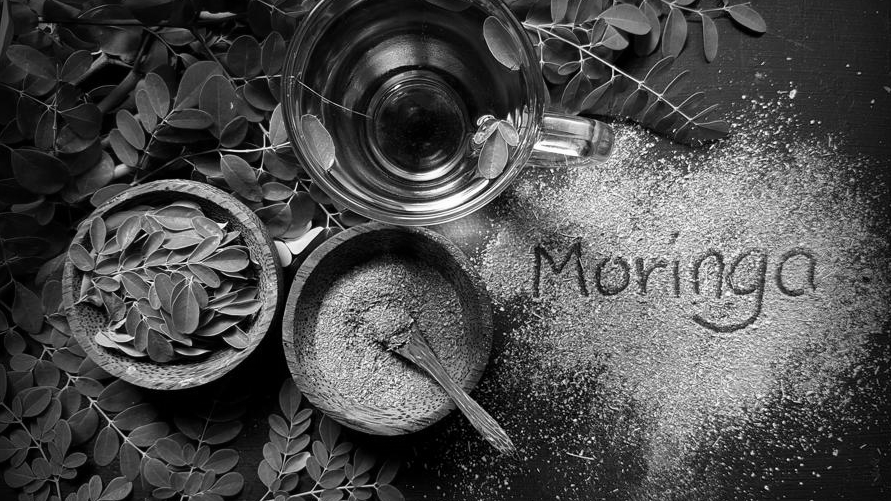
Rich in protein , iron and a wide range of bioactive compounds rarely found together in plant-based diets, moringa is increasingly being described by health experts as an extreme superfood with applications beyond nutrition. Moringa leaf powder contains about 27 g of protein , 28 mg of iron, and approximately 320 kcal per 100 g, along with high levels of calcium (around 2003 mg) and potassium (about 1324 mg) nutrients that are often difficult to obtain in sufficient amounts from a purely vegetarian diet.
Prominent gynaecologists and public health specialists say moringa’s antimicrobial and anti-inflammatory properties make it especially relevant for women during menstruation, a time when the risk of infections and skin irritation increases due to prolonged moisture and friction.
“A sanitary pad’s top layer remains in constant contact with sensitive skin for several hours a day during menstruation,” said Dr Richa Singhal , senior consultant in obstetrics and gynaecology at Cloud Nine Hospital, Patparganj. “Incorporating moringa into menstrual hygiene materials can help reduce irritation and microbial overgrowth that often lead to urinary tract infections and bacterial vaginosis. The bioactive compounds in moringa have demonstrated notable antibacterial effects against harmful bacteria.”
Scientific studies have begun to validate many of moringa’s traditional uses. Research indicates that moringa extracts inhibit the growth of pathogens such as E. coli and other bacteria commonly associated with urinary tract infections. These antibacterial properties are mainly linked to the presence of natural flavonoids and phenolic compounds in moringa leaves, such as quercetin, kaempferol, chlorogenic acid and gallic acid. These compounds work by disrupting bacterial cell walls, inhibiting enzyme activity essential for bacterial survival, and reducing oxidative stress that allows pathogens to multiply.
Research published in various microbiology and pharmacology journals has shown that moringa leaf extracts can suppress the growth of common disease-causing bacteria, including Escherichia coli , Staphylococcus aureus and Salmonella species. Studies from food science and herbal medicine fields also highlight that phenolic-rich plant extracts like moringa act as natural antimicrobial agents, offering a safer alternative to chemical preservatives and supporting efforts to combat rising antibiotic resistance.
A 2025 study published in the peer-reviewed journal Life reported that moringa showed significantly stronger anti-inflammatory activity compared to some commonly used pharmaceutical drugs. According to the findings, moringa leaf extracts demonstrated up to 2.5 times greater anti-inflammatory action than diclofenac, without the side effects typically linked to non-steroidal anti-inflammatory drugs (NSAIDs).
“In menstrual health, inflammation caused by friction, sweat and humidity can worsen discomfort,” Dr Singhal said. “Moringa’s antioxidants such as quercetin and chlorogenic acid, along with vitamin C and essential nutrients, help reduce redness and inflammation and support skin recovery.”
Beyond infection prevention, moringa’s nutritional richness also plays a key role in strengthening skin and maintaining natural balance. Dr Alpna Kansal, president of the Indian Medical Association (IMA), Ghaziabad, said the genital skin is particularly delicate during periods and needs gentle, nourishing care.
“Moringa is naturally rich in vitamin E and healthy fatty acids, which strengthen the skin barrier and promote moisturisation,” Dr Kansal said. “This helps reduce chafing in women who wear sanitary pads for long hours, including students and working professionals. It also supports a balanced vaginal pH, which is crucial in preventing infections.”
Studies on moringa’s broader antimicrobial potential suggest that its extracts are effective against both gram-positive and gram-negative bacteria, including strains linked to recurrent UTIs. Researchers are also examining flavonoid-rich moringa compounds as possible alternatives in addressing antibiotic resistance.
Dr Alka Kriplani, chairperson of obstetrics and gynaecology at Paras Health, said natural ingredients such as moringa, with well-documented antimicrobial and soothing properties, can significantly improve menstrual comfort and intimate hygiene when used responsibly in sanitary products.
“By inhibiting the growth of harmful bacteria while remaining gentle on sensitive skin, moringa-based materials may reduce irritation, itching and the risk of infections during menstruation,” she said.
Apart from its role in menstrual care, moringa powder is increasingly being considered as a dietary supplement for women because of its high protein and iron content nutrients that can be missed in vegetarian diets. Regular consumption may help support energy levels, immunity and overall well-being, particularly among adolescent girls and women of reproductive age.
While experts caution that more large-scale clinical trials are needed to establish standardized guidelines, both scientific evidence and centuries of Ayurvedic use point to moringa’s strong potential as a safer and more natural solution for women’s nutrition and menstrual hygiene.
As awareness grows around chemical-free and skin-friendly products, moringa is emerging as a unique bridge between traditional wisdom and modern healthcare offering benefits that range from nutritional support to improved intimate health.