
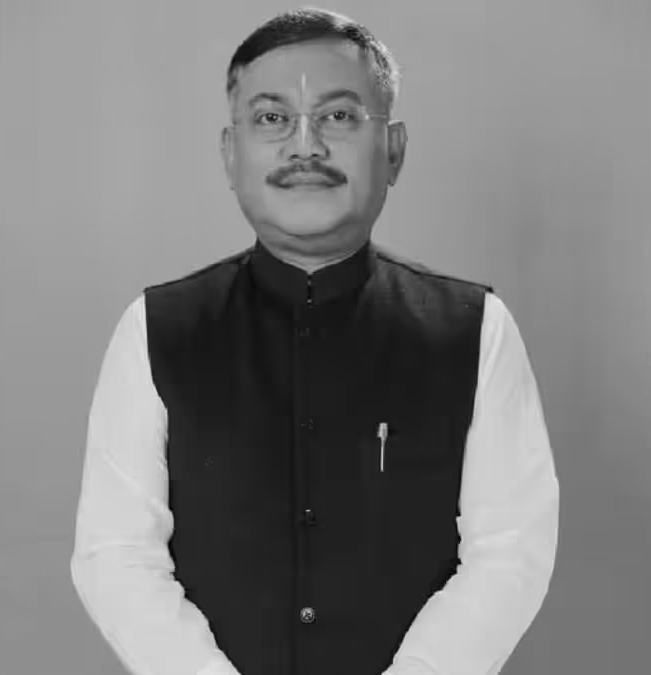
More firearms seized by security forces than those looted: Manipur home minister
Manipur’s security and social situation remains tense as the state government and forces intensify efforts to restore stability following prolonged ethnic violence. Home Minister Govindas Konthoujam told the assembly that security forces have recovered more firearms than those looted , with 7,437 weapons retrieved compared to 6,020 reported stolen . He attributed illegal arms inflows to Manipur’s porous international borders , prompting accelerated fencing and intensified operations to disarm armed groups.
Recent security actions include the arrest of six militants in Tengnoupal, Imphal West, and Imphal East, and destruction of 10 acres of illegal poppy cultivation in Kangpokpi. Earlier, authorities apprehended two militants and three drug traffickers near Moreh , recovering 2.3 kg of yaba tablets, cash, and jewellery , while a March 10 operation seized 10.36 kg of opium from a vehicle near Maram, with three arrests. These operations target armed groups, insurgents, and drug networks .
The government is advancing rehabilitation measures for internally displaced persons (IDPs) . The 2026–27 budget allocates Rs 734 crore for IDPs , alongside Rs 350 crore to assist 3.5 lakh women affected by unrest. Konthoujam emphasized livelihood support, housing aid, and direct benefit transfers as part of relief efforts.
Public tensions persist. On March 11, protesters in Imphal opposed the ongoing national census , demanding illegal immigrants be identified before enumeration; five were injured when police used tear gas. Earlier, a road march in Churachandpur on March 6 honoured violence victims and highlighted demands for justice and peace.
Diplomatic engagement continues, with the Government of India revising the Suspension of Operations (SoO) pact with Kuki-Zo insurgents to improve monitoring, relocate camps, and build trust for future peace talks.
Overall, Manipur faces a complex security and humanitarian environment , where intensified arms recovery, militant arrests, anti-drug operations, rehabilitation initiatives, and public protests collectively shape the state’s path toward stability and normalcy.