
Modi-Xi Bilateral Meet In Delhi: What India And China Agreed On Border, Trade And BRICS
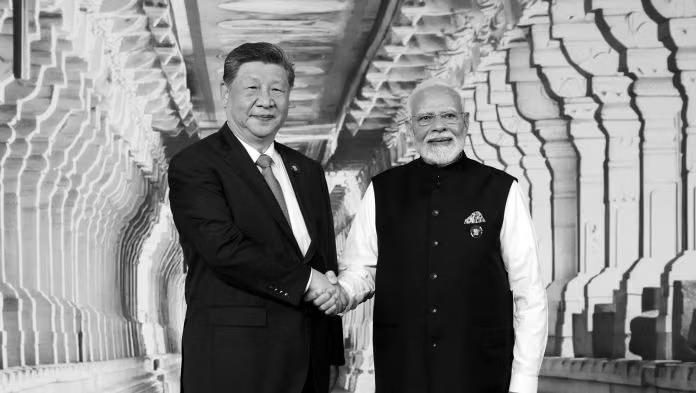
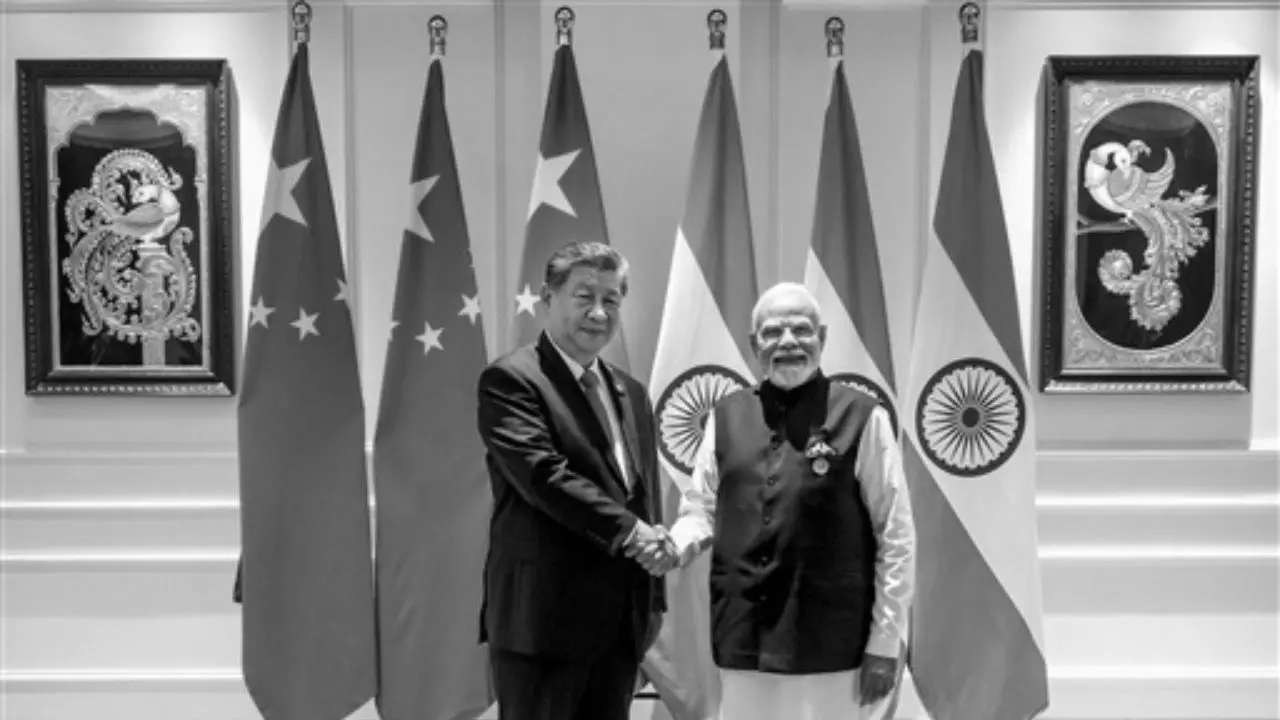
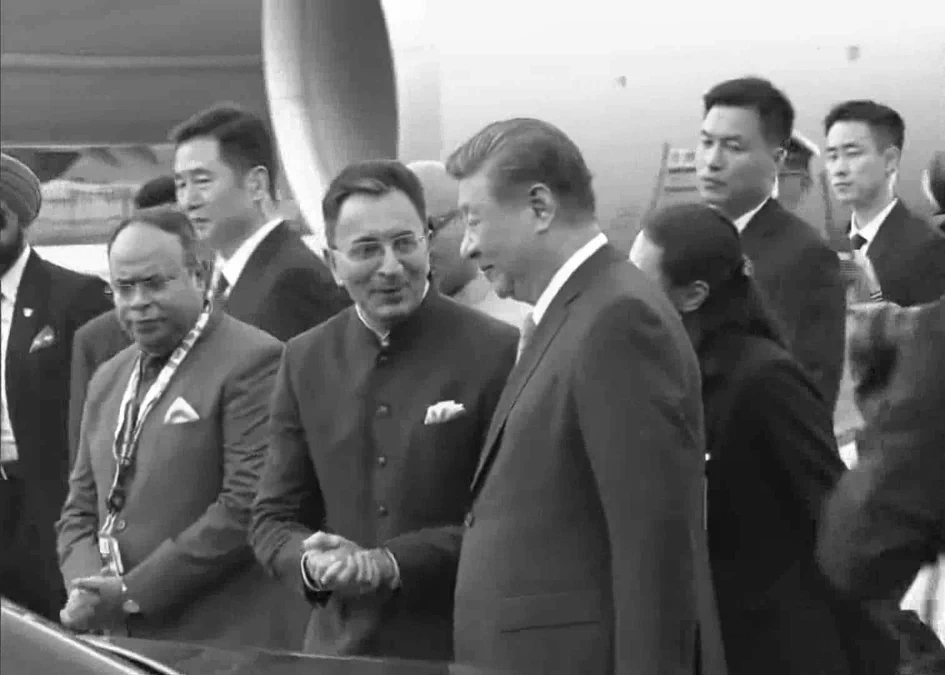
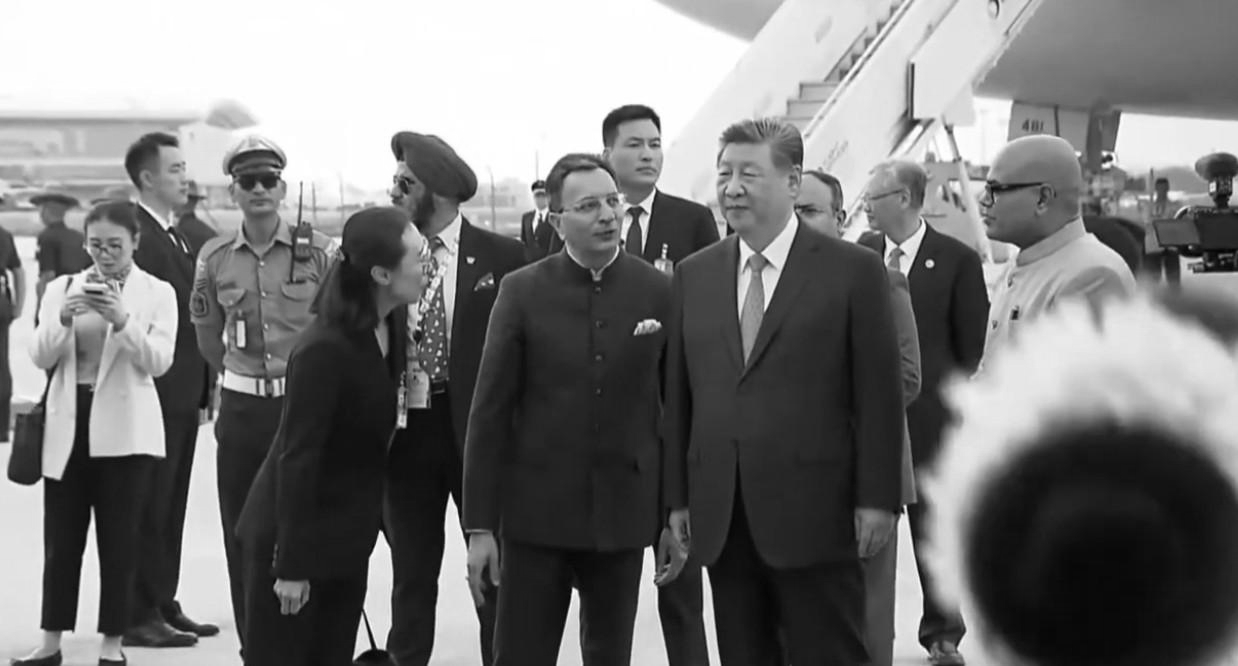
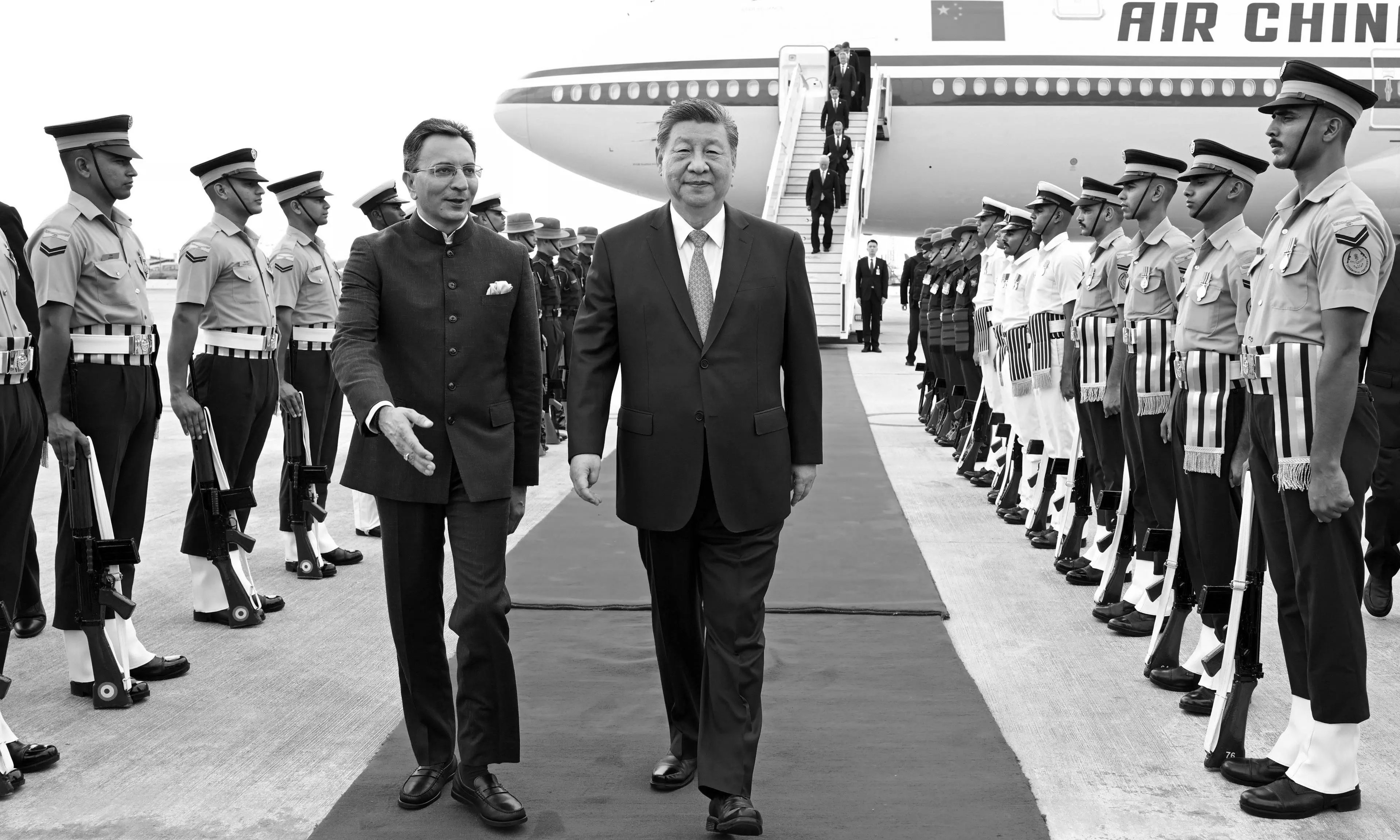
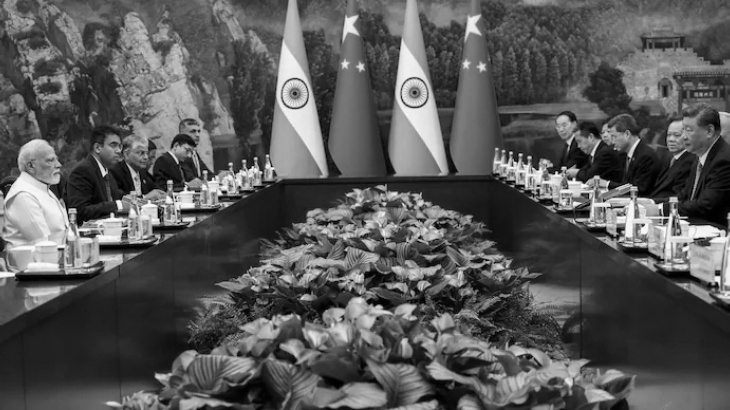
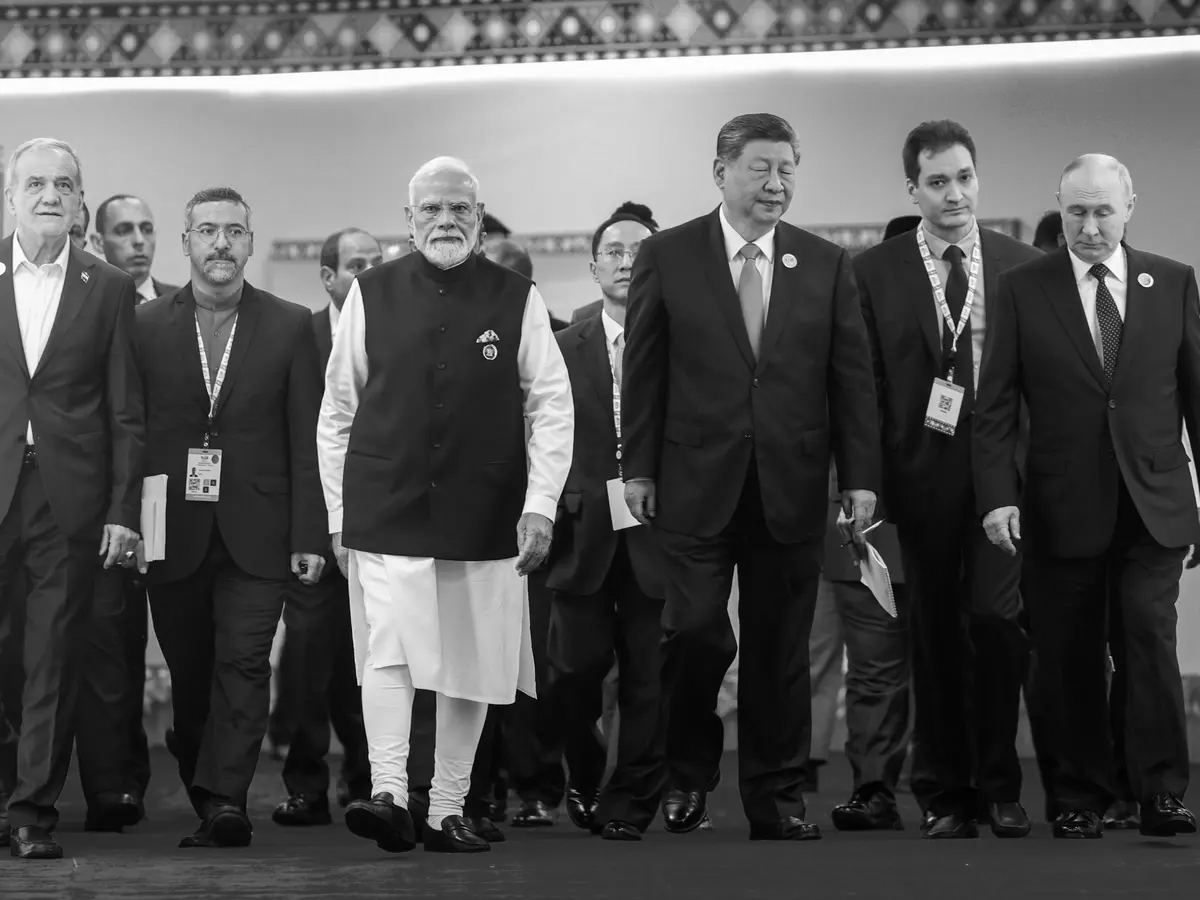
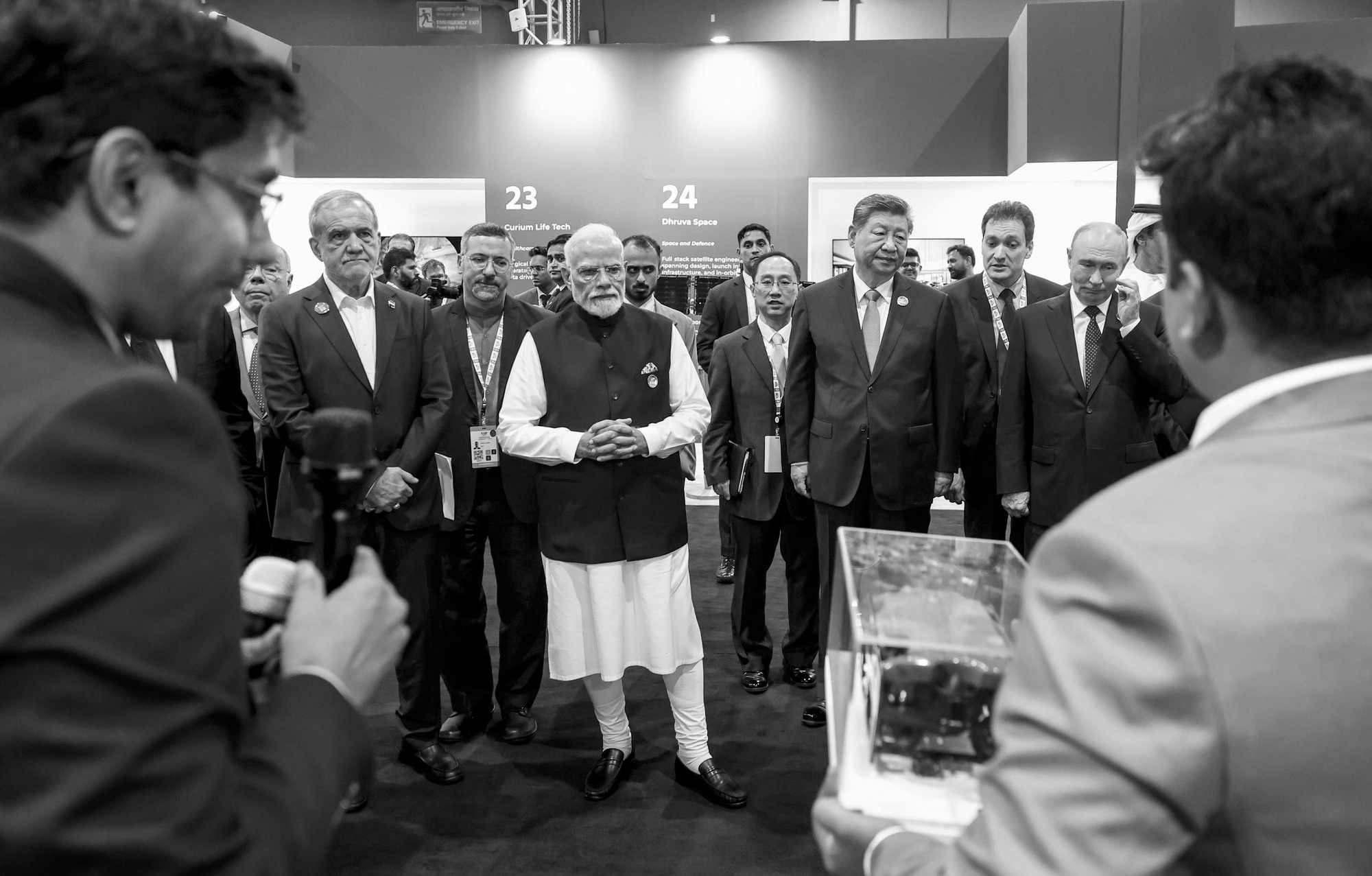
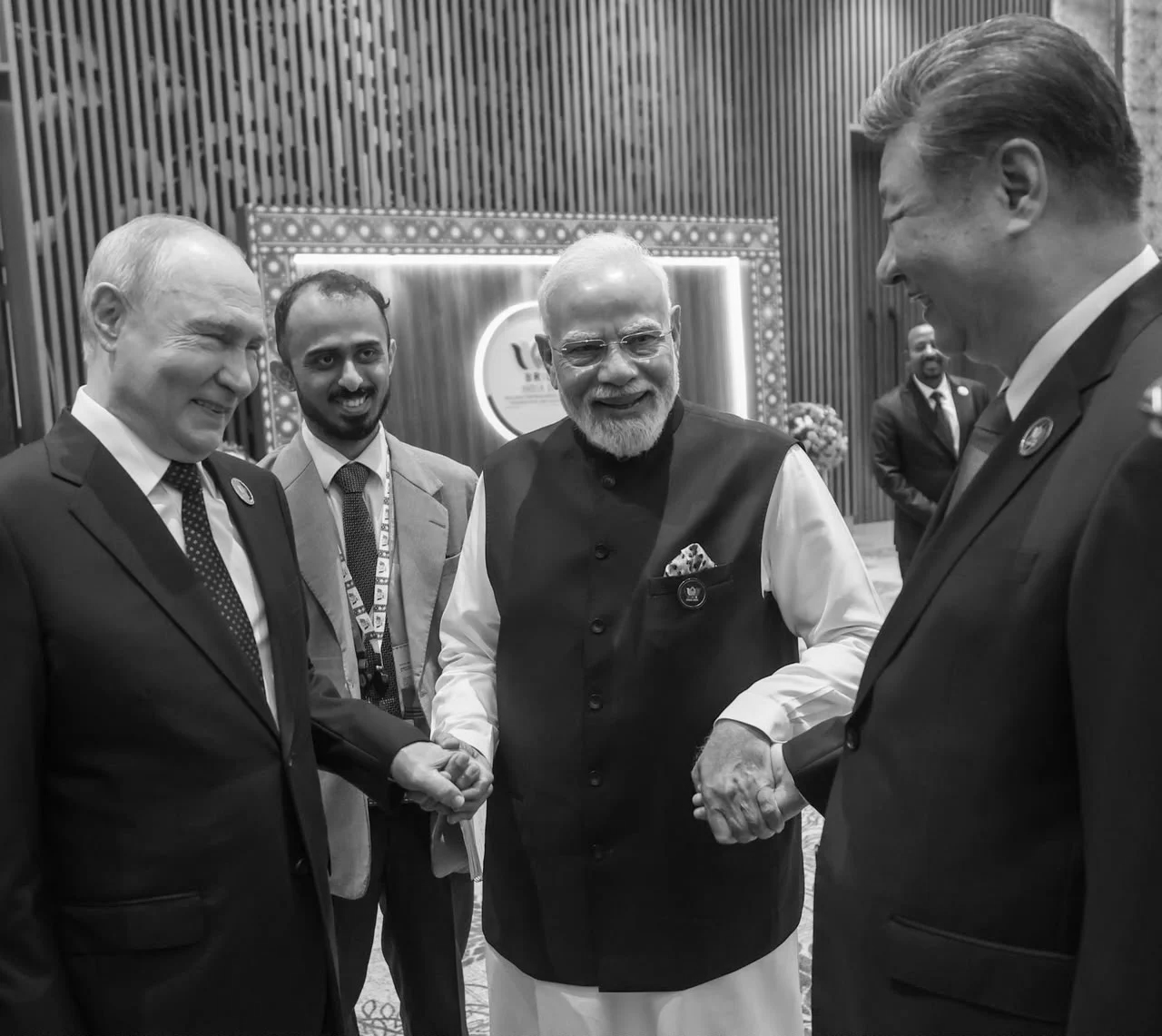
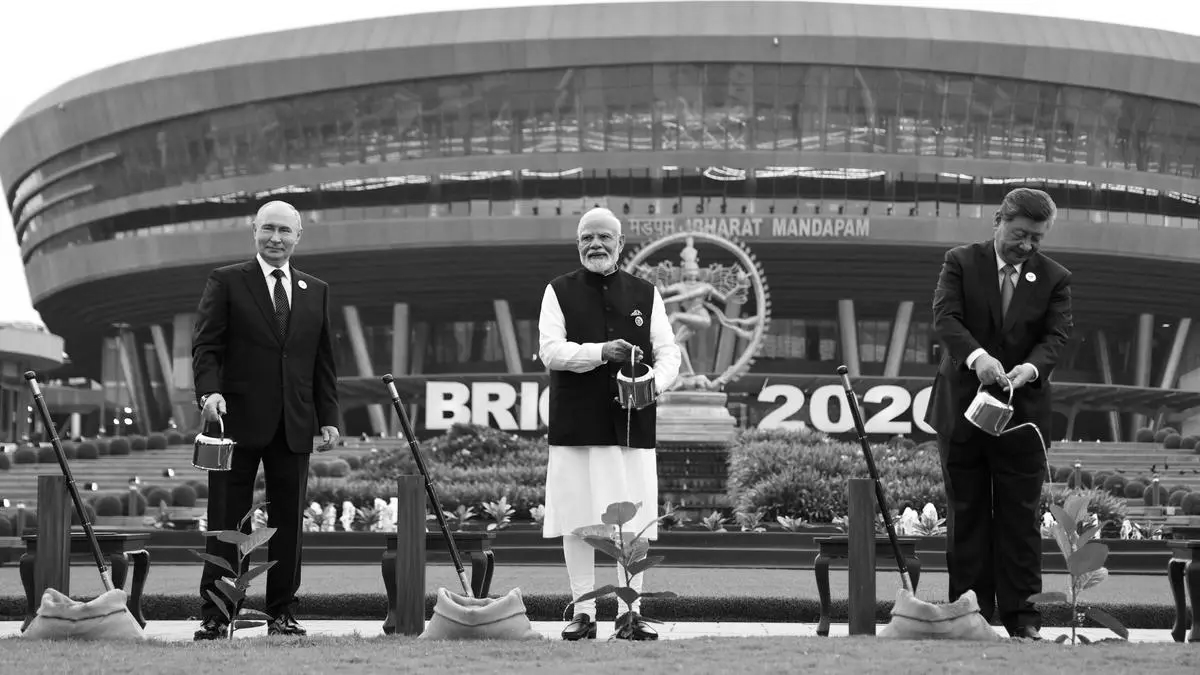
The much awaited Modi-Xi bilateral meet in Delhi ended after more than 50 minutes, with India and China signalling a cautious push to stabilise ties while continuing to manage differences over the border, trade, investment and other strategic issues. Chinese President Xi Jinping arrived in India on Saturday for his first visit in seven years, making the meeting one of the most closely watched diplomatic engagements of the BRICS Summit.
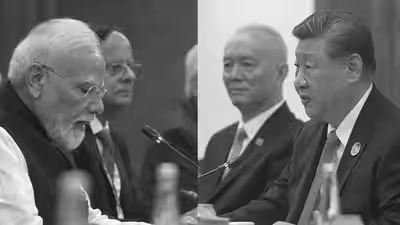
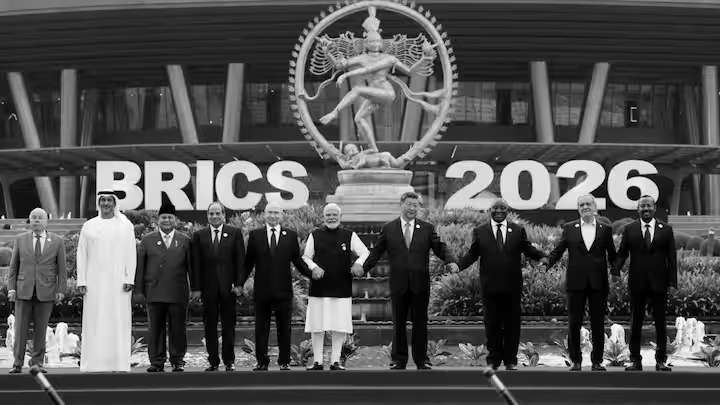
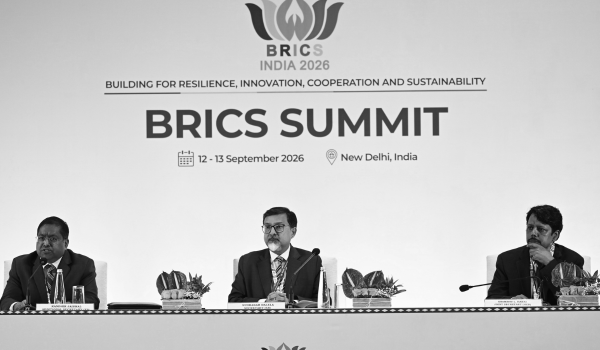
The meeting took place shortly after the BRICS New Delhi Declaration was adopted. At the beginning of the talks, Prime Minister Narendra Modi welcomed Xi to India and thanked China for its support and cooperation during India's BRICS presidency. Xi said India and China should look at their relationship from a long term perspective and expand areas of cooperation.
A key message from the meeting was that differences should not become disputes. Both leaders stressed the importance of continued engagement and managing disagreements through dialogue rather than allowing them to trigger another confrontation. India reiterated its approach based on mutual respect, mutual sensitivity and mutual interest.
The border remained central to the discussions. Modi underlined that peace and tranquillity along the border are the “essential basis” for the development of India China relations. The two sides also reiterated the need to resolve the boundary question through a fair, reasonable and mutually acceptable approach.
The talks come after the 2024 disengagement process that helped ease the military standoff along the Line of Actual Control in eastern Ladakh, which followed the deadly 2020 Galwan clash. While tensions have reduced, both countries continue to maintain significant military deployments along their disputed Himalayan frontier, and there has been no major breakthrough yet on the larger boundary dispute.
Economic ties were another major focus. Modi and Xi discussed expanding business cooperation, cultural exchanges and easier movement of people, while India pressed concerns over the trade imbalance, market access and supply chains. Bilateral trade reached a record $155.6 billion in 2025, but India imported around $132 billion worth of goods from China, leaving a trade deficit of more than $100 billion.
The message from India was therefore not simply that trade should increase. New Delhi wants a more balanced economic relationship, better access for Indian businesses to Chinese markets and greater attention to supply chain concerns. Both sides also see scope for cooperation in areas where their interests overlap.
BRICS provided another important area of convergence. China will host the BRICS Summit in 2027, and Xi sought India's support for the next summit. The final BRICS declaration formally extended full support to China for its 2027 chairship and the hosting of the next summit.
Xi said India and China could learn from each other's strengths and grow together. “China and India, as the world's two most populous countries and important members of the Global South, shoulders significant responsibilities,” Xi said, stressing that both countries should keep the well being of their people and the future of humanity in mind while advancing cooperation within BRICS.
The two leaders also discussed the need to find more common ground on regional and global issues. For India, the meeting comes as New Delhi tries to strengthen BRICS cooperation without allowing the grouping to become an anti West platform. At the summit, Modi stressed that BRICS is not against anyone and called for a greater role for the Global South in shaping global rules.
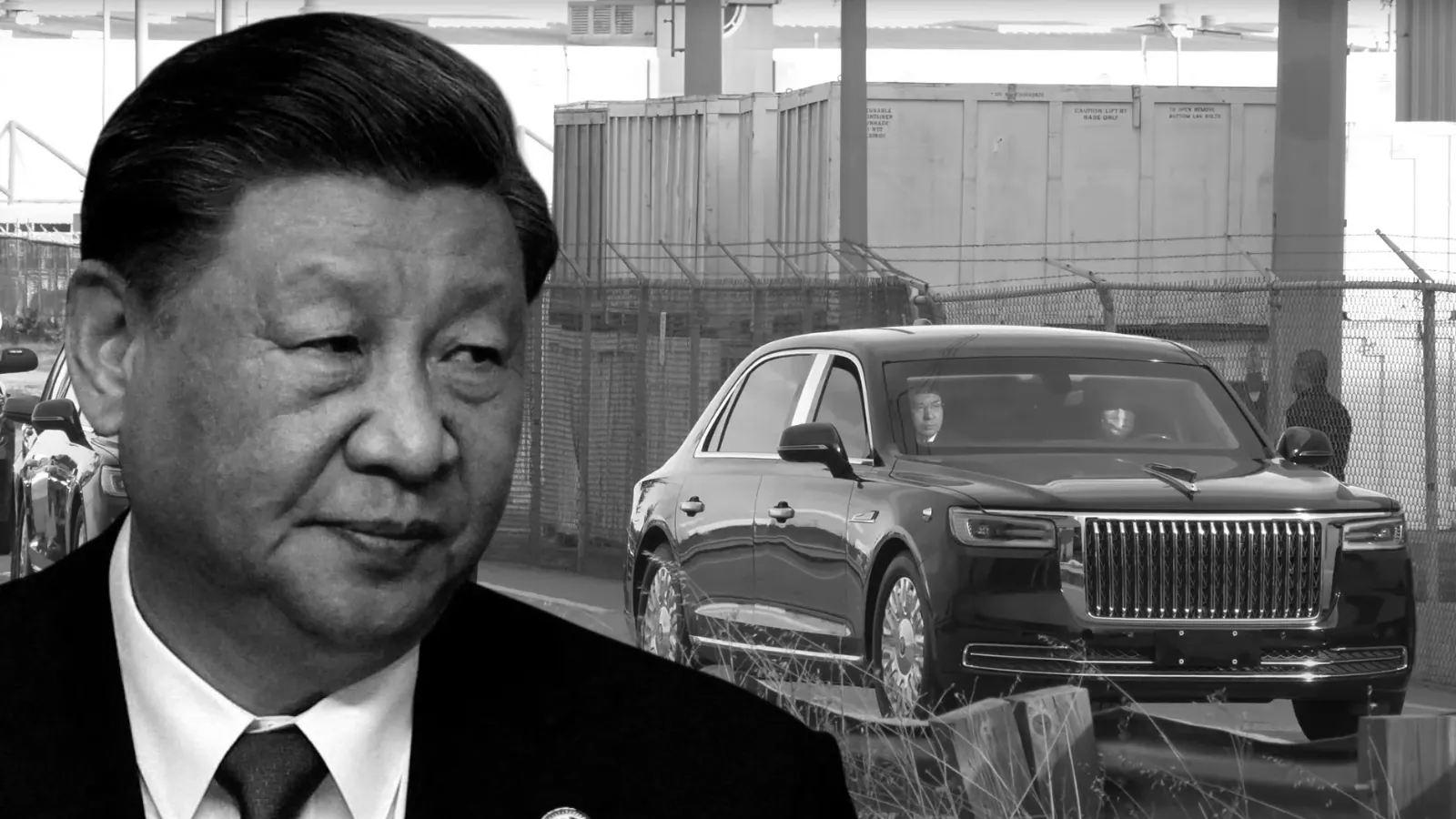
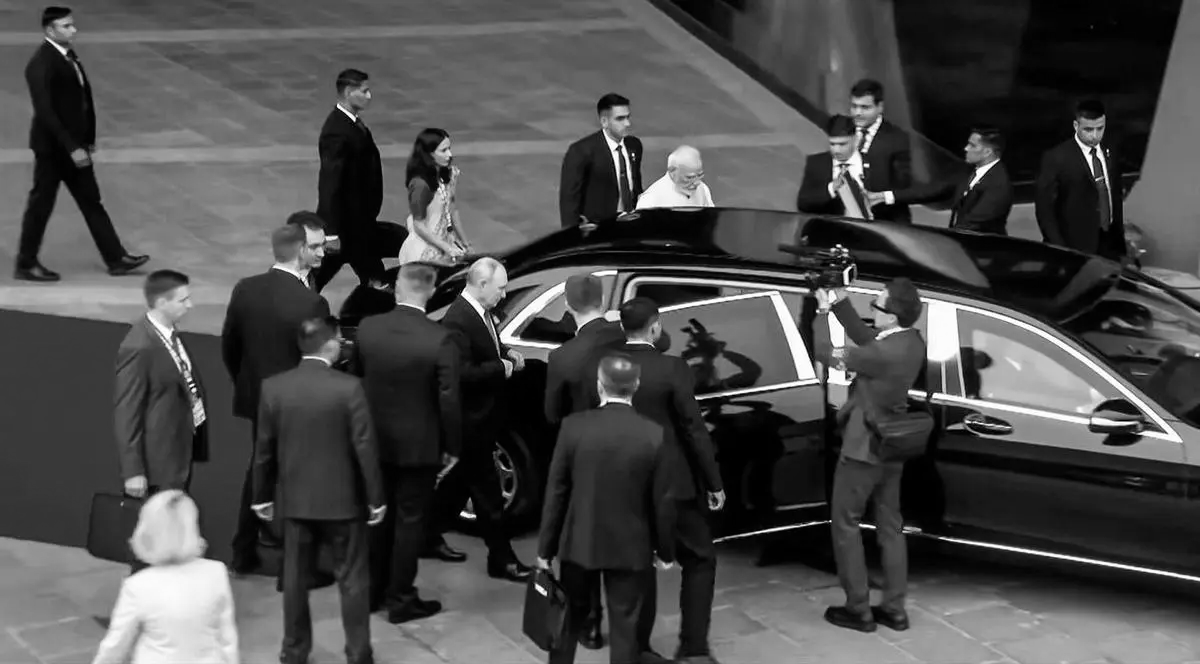
While the diplomatic discussions dominated the day, Xi's visit also generated considerable attention over his Hongqi N701 presidential limousine. The specially built vehicle, whose name means “Red Flag”, was brought from China for his Delhi visit. Reports describe it as heavily armoured, with bullet resistant protection and advanced security and communication systems, although several technical specifications remain unconfirmed.
China also reportedly brought additional vehicles and specialised communication equipment as part of Xi's security arrangements. Such arrangements allow the visiting country greater control over the protection and communications surrounding its leader, while Indian authorities retain control over what foreign delegations can bring into the country.
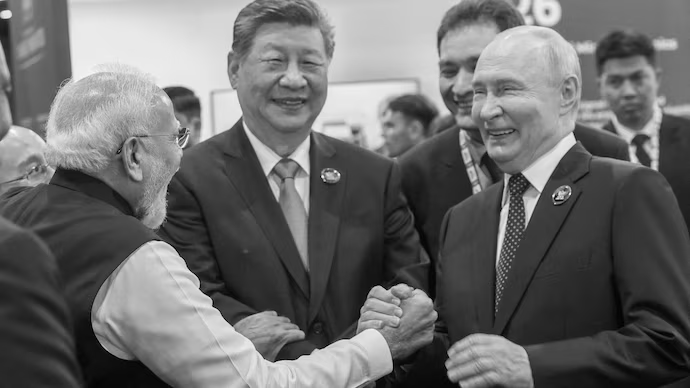
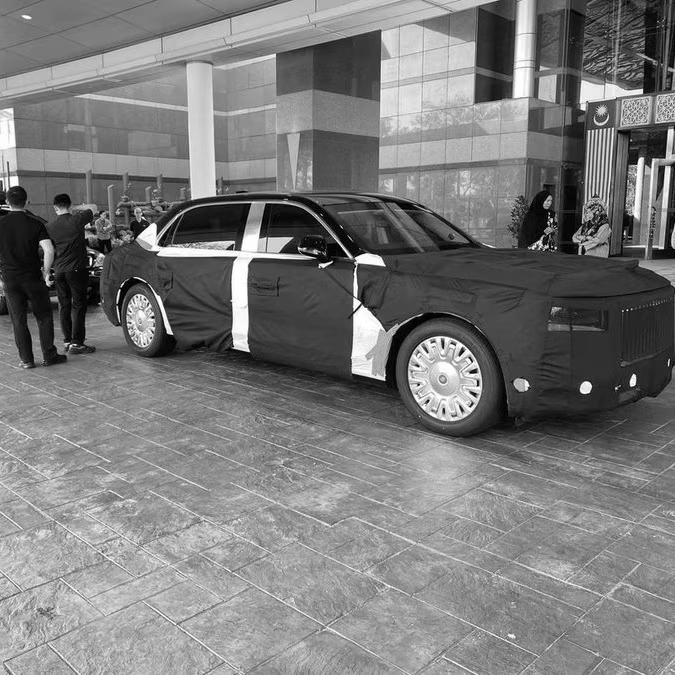
Xi was not the only leader to attract attention with a presidential vehicle. Russian President Vladimir Putin has also travelled with his Aurus Senat, another heavily protected state limousine.
The Modi-Xi meeting therefore represents an important step in the cautious India-China thaw, but it should not be described as a complete reset. The unresolved boundary dispute and India's large trade deficit, however, remain major challenges.