
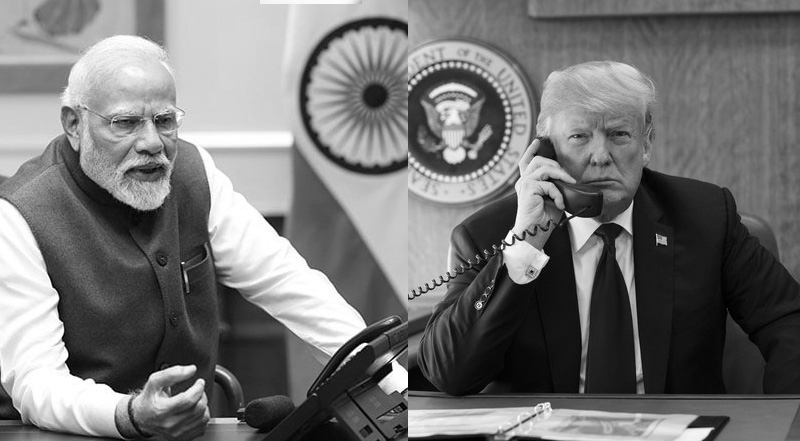
Modi Trump Phone Call on Hormuz Crisis Routine Optics or Strategic Signalling
The 40 minute phone call between Narendra Modi and Donald Trump, framed around the Iran conflict and Strait of Hormuz, appears at first glance to be a standard diplomatic engagement. Both leaders reiterated the need to keep the critical oil route open, even as global energy markets reel from disruptions and a United States naval blockade tightens pressure on Iran.
India is not a negotiating party in the United States Iran conflict, nor does it wield decisive influence over the military or diplomatic trajectory of the crisis. Its position has remained cautious, limited largely to calls for de escalation. That makes the conversation less about conflict resolution and more about signalling.
One reading is that this was routine optics, a familiar display of strategic partnership meant to reassure markets and allies. Another, more compelling interpretation is that Washington is aligning India more visibly into its energy and geopolitical calculus, particularly as disruptions in Hormuz threaten Asian economies.
The timing of the call is also notable. It comes amid discussions on possible India United States energy deals, including increased crude and LNG imports from America. With Gulf supplies under threat, Washington may see the crisis as an opportunity to position itself as a more reliable long term energy partner for India.