
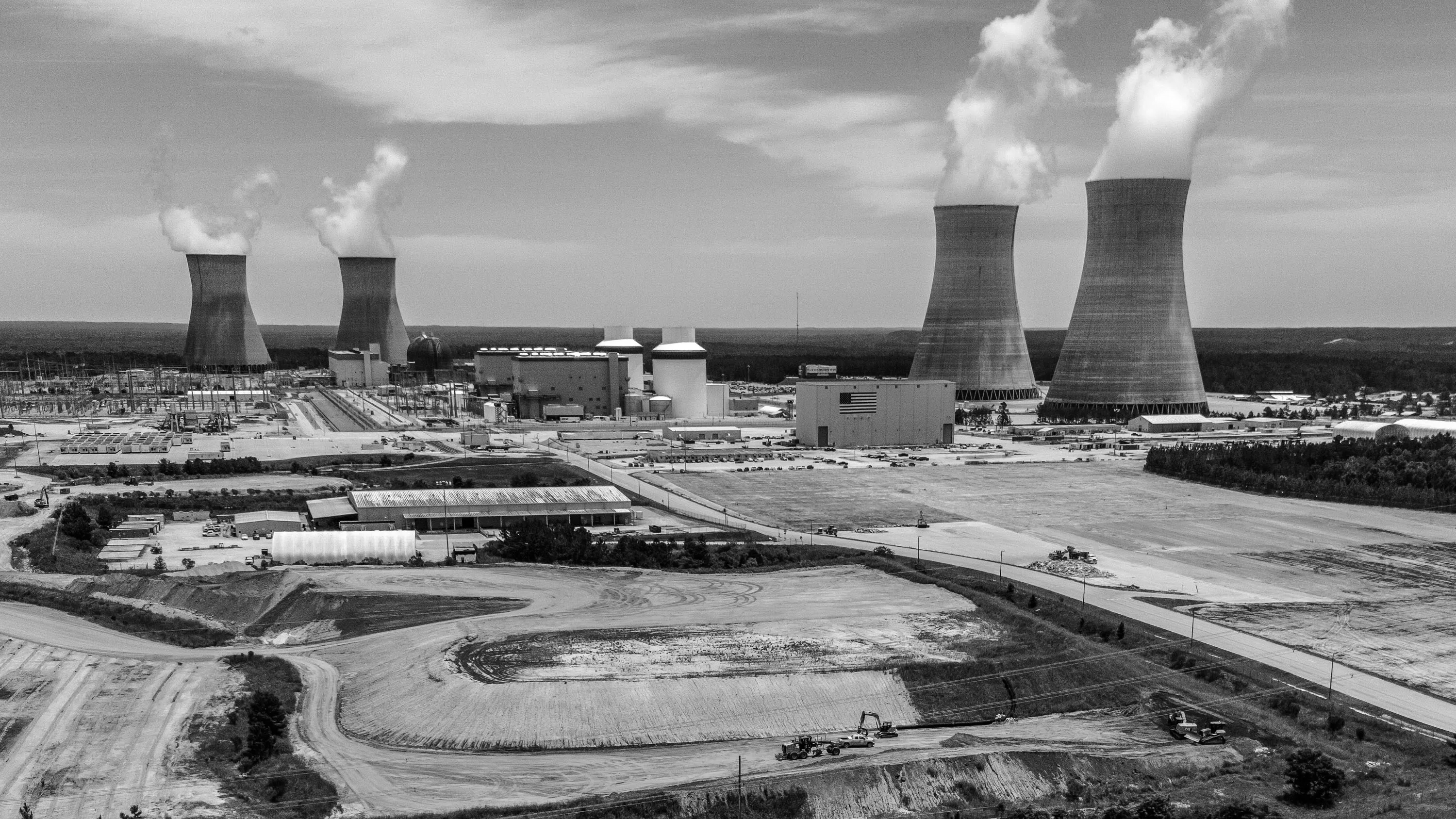
Modi to flag off next-gen nuclear project in Rajasthan
Prime Minister Narendra Modi is set to lay the foundation stone for the Mahi-Banswara nuclear power project in Rajasthan, marking a historic step for India’s nuclear energy ambitions and the National Thermal Power Corporation’s (NTPC) entry into the atomic energy sector. The project, located on the banks of the Mahi River in Banswara district, represents a strategic expansion of India’s energy infrastructure at a time when the country seeks to meet rising electricity demand sustainably.
The Mahi-Banswara Rajasthan Atomic Power Project (MBRAPP) will feature four indigenously developed Pressurised Heavy Water Reactors (PHWRs), each with a capacity of 700 MWe. Developed under Anushakti Vidyut Nigam Ltd (Ashvini), a joint venture between the Nuclear Power Corporation of India Limited (NPCIL) and NTPC, the project highlights India’s growing capability to combine public sector expertise and technological innovation in nuclear power.
Until recently, NPCIL and Bharatiya Nabhikiya Vidyut Nigam Limited (Bhavini) were the only entities permitted to build and operate nuclear plants. A 2015 amendment to the Atomic Energy Act opened the door for joint ventures, allowing companies like NTPC and Indian Oil Corporation to participate in nuclear energy projects commercially. The Mahi-Banswara units are part of the government’s “fleet mode” strategy, which aims to standardize and accelerate the construction of multiple 700 MWe reactors across the country, including projects at Kaiga (Karnataka), Gorakhpur (Haryana), and Chutka (Madhya Pradesh).
Currently, India operates 24 commercial nuclear reactors with a combined capacity of 8,780 MWe. With plans to expand to 22,480 MWe by 2031-32, the government has set a long-term goal of achieving 100 GW of nuclear power capacity by 2047. Nuclear energy is viewed not only as a cleaner alternative to fossil fuels but also as a way to secure India’s energy independence amid fluctuating global energy markets.
Experts note that projects like MBRAPP are crucial for reducing the country’s carbon footprint and supporting industrial growth in regions like Rajasthan. However, the project also comes with challenges. Building and maintaining PHWRs requires highly skilled labor, stringent safety measures, and robust regulatory oversight. Any delays or technical failures could affect timelines and costs.
The foundation stone ceremony is expected to reaffirm India’s commitment to nuclear technology and innovation, signaling a shift in the energy landscape where renewable and atomic power complement conventional sources. Strategically, expanding nuclear capacity enhances India’s energy security, supports decarbonization targets, and positions the country as a global player in clean energy technology.
In sum, the Mahi-Banswara nuclear project is more than a construction milestone; it represents a carefully planned investment in India’s energy future, balancing technological ambition, economic growth, and environmental responsibility. Its success could set the tone for the next wave of nuclear projects under the fleet mode approach, with implications for power availability, climate policy, and industrial development nationwide.