
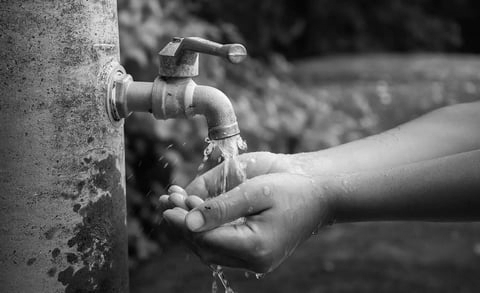
Mizoram achieves 100% tap water coverage in rural areas under Jal Jeevan Mission
Mizoram has achieved full tap water coverage for all village households under the Centre’s ambitious Jal Jeevan Mission , marking a major milestone in rural infrastructure and drinking water access in the state.
Public Health Engineering Minister Lalnilawma informed the Mizoram Assembly on Thursday that a total of 1,33,060 rural households have been provided with functional tap water connections. He shared the information in a written reply to a query raised by Mizo National Front (MNF) legislator and Leader of the Opposition Lalchhandama Ralte.
The minister said the achievement represents a significant transition from traditional water sources such as springs, wells and community collection points to a standardised piped water supply system across rural areas of the state. The move is expected to improve access to safe drinking water and enhance the quality of life for residents in villages.
To maintain the safety and quality of drinking water, the state government currently operates 28 water quality testing laboratories. These facilities regularly monitor water supplied through the piped network to ensure it meets prescribed safety standards.
According to the minister, four of these laboratories have received official accreditation from the National Accreditation Board for Testing and Calibration Laboratories (NABL), which certifies their compliance with national testing standards. The NABL-accredited laboratories are located in Aizawl, Lunglei, Champhai and Kolasib.
With this achievement, Mizoram has joined states and union territories such as Goa, Andaman and Nicobar Islands, Dadra and Nagar Haveli and Daman and Diu, Haryana, Telangana, Puducherry, Gujarat, Himachal Pradesh, Punjab and Arunachal Pradesh in achieving 100 per cent tap water coverage under the Jal Jeevan Mission. Launched in 2019 by the Government of India, the mission aims to provide functional household tap connections to every rural household, ensuring safe and adequate drinking water while improving public health and reducing the burden of water collection in villages.