
Misleading product claims and what must change?
Walk through any supermarket aisle in India and you’ll see an impressive lineup of “health” products from energy drinks to immunity-boosting powders, from “electrolyte waters” to “probiotic curds.” Their packaging often bears medical-sounding terms ORS, electrolyte, probiotic, nutraceutical, immunity booster, fortified wrapped in images of doctors, active children, and checkmarks of approval. Yet, scratch beneath the glossy surface, and you’ll discover that many of these products are nutritionally closer to desserts than medicine.
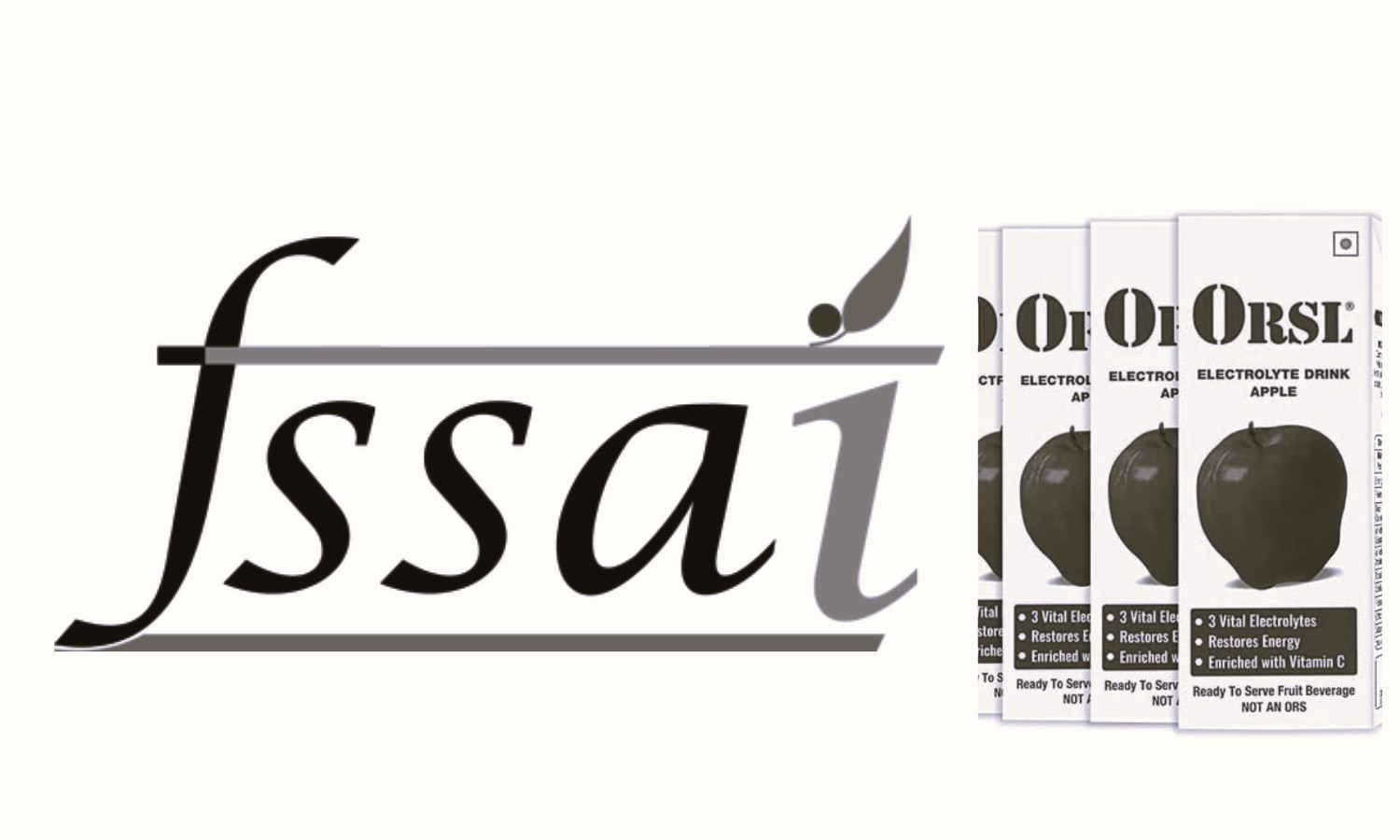
The recent decision of India’s Food Safety and Standards Authority of India (FSSAI) to ban the use of “ORS” (Oral Rehydration Solution) in beverage brand names was not an isolated act. It was the culmination of years of frustration among public health professionals who watched corporate marketing blur the line between food and medicine. This article investigates how such misleading practices evolve, the history of regulatory actions against them, the grey zones that still exist, and how India can ensure consumer protection without stifling innovation.
The mechanics of misleading marketing
Misleading health branding operates on a simple psychological trick: borrow medical credibility, sprinkle vague health promises, and wrap it in aspirational marketing. The average consumer doesn’t read ingredient ratios or scientific disclaimers. When a drink says “ORS Active” or “Immunity Plus,” it signals health and safety. A child’s mother, a worker in the sun, or a diabetic senior may choose such products trusting they’re doctor-endorsed.
Marketers know this. That’s why they exploit linguistic and visual cues:
• Medical terms: “Electrolyte”, “Rehydration”, “Probiotic”, “Glucose-C”, “Fortified with Vitamins.”
• Visual cues: White coats, stethoscopes, scientific charts, molecular graphics.
• Celebrity endorsements: Sports icons lending authority to sugary “energy” drinks.
• Pseudo-quantification: “Now with 2X immunity power” — a claim scientifically meaningless yet psychologically powerful.
In many cases, the claims are technically legal, because they avoid direct medical promises (“prevents disease”) and instead use wellness language (“supports immunity”, “improves stamina”). This grey area allows companies to skate around FSSAI’s Advertising and Claims Regulations, 2018.
The ORS controversy: When beverages played doctor
In October 2025, FSSAI issued a landmark directive prohibiting any food or beverage product from using the term “ORS” in brand names or labels unless it meets World Health Organization (WHO) standards for Oral Rehydration Solution. For years, several drinks, often fruit-flavoured and high in sugar, were marketed with ORS in their name. While they claimed to “restore hydration,” they contained 8–12 grams of sugar per 100 ml, compared to the medically approved 1.35 grams in WHO ORS formula.
This misrepresentation was not harmless. Doctors reported cases of worsened dehydration, especially among children and elderly patients who replaced real ORS with these sweetened drinks. The campaign that triggered the ban began with a Hyderabad-based paediatrician, Dr. Sivaranjani Santosh, who highlighted how beverage giants were exploiting a medical acronym. Her public advocacy led to petitions, investigations, and finally, the FSSAI order on October 14, 2025.
The order stated that such usage constitutes “false, deceptive, ambiguous and misleading labelling”, violating the Food Safety and Standards Act, 2006. Even variants like “Active ORS” or “ORS-Lite” were banned unless compliant with WHO’s electrolyte balance standards. The ORS case is significant because it demonstrates both the persistence of deceptive marketing and the power of citizen activism in prompting regulatory reform.
A pattern of misleading health branding in India
The ORS controversy is merely the latest in a long chain of similar cases. Let’s look at some major precedents that shaped India’s food safety landscape.
1. The Bournvita Backlash (2023)
In early 2023, health influencer Revant Himatsingka posted a viral video exposing how Cadbury Bournvita marketed as an immunity and strength drink contained nearly 50% sugar. Despite claims of boosting immunity, the drink’s sugar content exceeded WHO’s recommended daily limit for children. When his video drew legal threats from the company, public outcry exploded. The Central Consumer Protection Authority (CCPA) soon intervened, issuing warnings to Bournvita and similar “health drink” brands. ASCI (Advertising Standards Council of India) later instructed such companies to remove unsubstantiated health claims, and to stop using the term “health drink” altogether since no such category exists in Indian food law.
2. Fruit drinks that weren’t fruit juices
For years, consumers believed drinks like Maaza, Slice, and Frooti were “fruit juices.” In reality, these beverages contained less than 20% real fruit pulp, with the rest being sugar and water. In 2017, FSSAI made it mandatory for manufacturers to clearly label such products as “fruit drink” or “nectar” instead of “fruit juice.” Even today, however, many brands visually depict whole fruits and natural claims (“mango goodness”) on packaging, a design sleight that continues to mislead despite legal compliance.
3. Horlicks and height claims
Horlicks Growth+ was marketed as clinically proven to “help children grow taller.” In 2018, ASCI found these claims misleading because the underlying clinical study was not independently verified and involved a small sample. The company was forced to withdraw the claim. This reflected a broader pattern: health product ads using scientific language without scientific validity.
4. Energy and Glucose Drinks
Powders such as Glucon-D or Electra positioned themselves as instant energy providers, blurring the boundary between food supplements and medicinal aids.The FSSAI clarified that only registered drugs can claim to treat dehydration or fatigue. Still, the marketing continues just carefully reworded to avoid explicit medical claims.
5. Protein powders and fitness supplements
India’s booming fitness culture has spawned hundreds of “whey protein”, “testosterone booster”, and “muscle gainer” products. Many promise “faster recovery” or “increased stamina.” Between 2020 and 2024, FSSAI and drug regulators found that over 60% of protein powders sold online were mislabeled or adulterated often containing steroids, caffeine, or excess sugar. Yet, because these fall into a regulatory grey zone between nutraceuticals and pharmaceuticals, enforcement remains weak.
6. Herbal and Ayurvedic “Miracle Cures”
From herbal syrups claiming to “cure diabetes” to oils that “reverse baldness,” India’s market teems with unverified ayurvedic and herbal claims.The Ministry of AYUSH has repeatedly cautioned manufacturers, but with limited success. Many hide behind the phrase “traditional use”, exploiting consumer faith in Ayurveda to sell untested concoctions.
Why do these practices persist?
• Regulatory Overlap and Gaps: FSSAI governs food, AYUSH regulates herbal products, and the Drugs Controller handles pharmaceuticals. But most misleading products lie in between these categories , allowing companies to shift responsibility.
• Slow Enforcement: India’s regulatory system is largely reactive, not proactive . Action usually follows a public scandal, not routine inspection.
• Legal Loopholes in Advertising: Terms like “supports immunity” or “helps hydration” are vague enough to avoid liability . Unless a brand explicitly claims to cure a disease, regulators find it hard to prosecute.
• Influencer Marketing and Celebrity Endorsements: Health product endorsements by film stars and athletes amplify credibility. Despite ASCI’s guidelines requiring disclaimers, enforcement is minimal.
• Public Ignorance of Nutritional Facts: India’s literacy about food labeling remains poor. Most consumers cannot interpret sodium, sugar, or calorie ratios making them easy prey for marketing.
Products still misleading but not yet banned
Even after the ORS crackdown, several products and marketing categories continue to mislead consumers under the radar.
1. “Detox” and “Fat-Burn” Teas: These claim to flush toxins, improve digestion, and reduce fat. Most contain only caffeine and laxatives, providing short-term weight loss but long-term dehydration risk.
2. “Memory-Enhancing” or “Brain-Boost” Drinks: Targeted at students, these drinks make unverifiable claims about improving concentration or IQ. They often rely on caffeine or sugar spikes rather than true cognitive enhancers.
3. “Oxygen Water” and “Smart Water”: Bottled waters marketed as “oxygen-enriched” or “ionized” claim improved energy or skin health pseudoscientific marketing that preys on the urban elite’s wellness obsession.
4. “Natural” and “Zero Sugar” Labels: Some drinks use artificial sweeteners but call themselves “natural” or “zero sugar.” While technically accurate, they mislead consumers into believing they are healthier.
5. “Probiotic” Dahi Without Live Cultures: Ordinary curd is often sold as “probiotic yogurt,” even when it lacks the specific bacterial strains proven to aid gut health.
6. “Herbal Immunity Boosters”: Since the COVID-19 pandemic, a flood of powders and syrups has entered the market claiming to “boost immunity naturally.” Most have no clinical trials or dosage guidelines.
The Impact: Health, Economy, and Trust
These misleading practices have real-world consequences :
• Health risks: Excess sugar, unverified ingredients, and wrong formulations cause long-term metabolic issues.
• Economic loss: Consumers pay premium prices for pseudo-health benefits.
• Erosion of trust: Every scandal — from “health drinks” to “fake ORS” — erodes faith in brands and even in authentic health foods.
• Policy paralysis: Over-regulation risks stifling innovation, while under-regulation breeds chaos.
Towards a Health-Truth revolution: How to prevent misleading practices
1. Stricter Labelling Enforcement: FSSAI’s 2020 Labelling and Display Regulations must be implemented with digital traceability QR codes that reveal full ingredient breakdown, sugar and salt ratios, and comparative benchmarks with WHO standards.
2. Cross-Regulatory Coordination: A joint task force between FSSAI, AYUSH, and the Drugs Controller is essential to close loopholes between food, supplement, and medicine categories.
3. Independent Scientific Review: Every health claim must be backed by peer-reviewed evidence evaluated by an independent scientific panel, not company-funded studies.
4. Penalties and Accountability: Instead of mild warnings, violators should face mandatory product withdrawal, consumer compensation, and naming in public disclosure lists.
5. Public Nutrition Literacy: Introduce food-label education in schools and public campaigns teaching how to read sugar, sodium, and calorie data.
6. Regulating Influencer and Celebrity Endorsements: ASCI’s 2021 guidelines must be made legally binding. Influencers endorsing health products should face penalties for promoting unverified claims.
7. Encouraging Honest Innovation: Regulation must not discourage innovation in healthy foods instead, the government can create “Health Claim Verification Labels”, awarded to scientifically validated products, similar to organic certification.
Learning from global examples
Countries like Australia, the UK, and Canada have introduced stringent “nutrient profile models” that decide whether a product can legally make health claims. For example:
• The UK’s HFSS (High Fat, Sugar, Salt) rules restrict advertising of junk foods to children.
• The US FDA mandates that structure-function claims (like “supports immunity”) must carry a disclaimer stating that they are not evaluated by the agency.
India can adapt such models while ensuring small domestic businesses are not overburdened.
The role of civil society and media
The ORS ban was not the result of bureaucratic vigilance alone; it began with citizen activism and media amplification. Doctors, journalists, and consumer advocates play a vital role in exposing misleading marketing. Independent health journalism must continue to scrutinize corporate claims, demand transparency, and translate scientific jargon into everyday language.
Conclusion: From informed choice to true choice
Misleading product claims represent a deeper social problem than the commercialization of health itself. In a country where nutrition awareness is uneven and medical care is often inaccessible, packaged “health” products step in as affordable hope. But when that hope is sold in sugary bottles and pseudoscientific slogans, it turns into exploitation.
The ORS ban is not merely a bureaucratic decision; it’s a moral statement that health cannot be marketed through deception. It signals the beginning of a new era where truth in nutrition becomes as important as taste in food. For India, the next step is not just to regulate what companies sell, but to educate what citizens believe. Only then can consumers transform from passive targets of marketing to active guardians of their own health.